
Jack Haley (1898–1979)
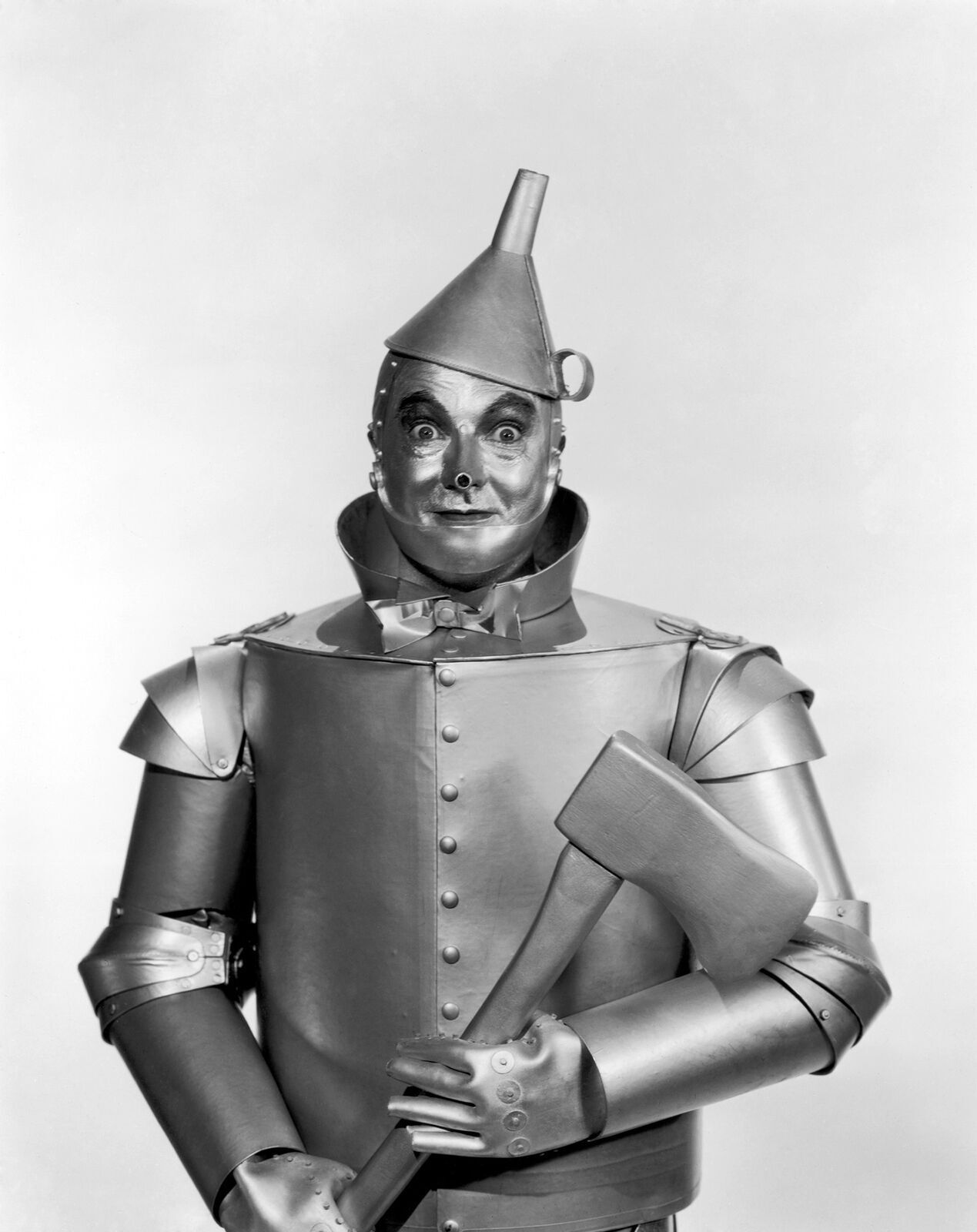
American actor, singer and dancer best known for portraying the Tin Woodman in MGM's 1939 film The Wizard of Oz. Actor from vaudeville to Hollywood, later worked in radio and television.
Overview
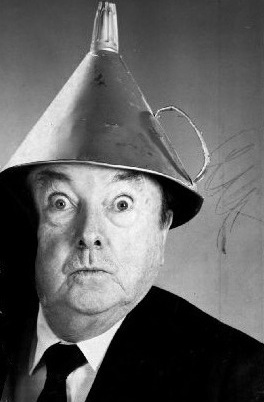
Image gallery
8 Images



Early life and stage beginnings
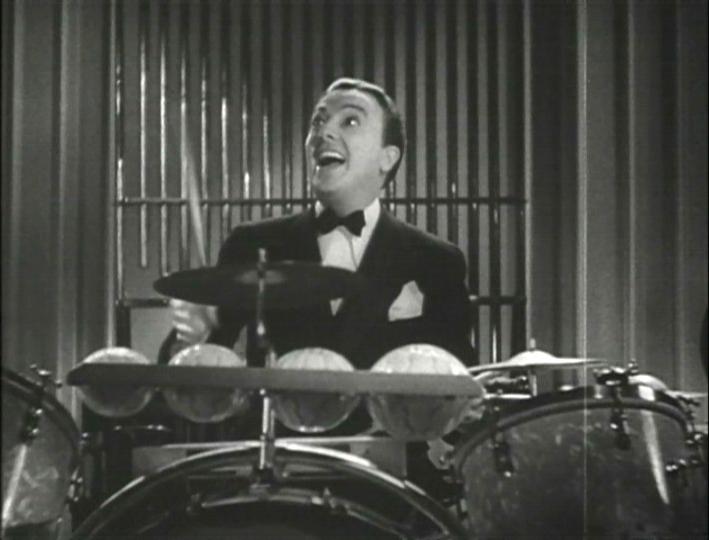
Haley was born in Boston, Massachusetts. He began his career in vaudeville and touring stage shows, a common path for American entertainers of his generation. Those early years developed his skills as a song-and-dance performer and comic actor, helping him transition into the emerging film musical business after the arrival of synchronized sound.
Film career and the Tin Woodman
During the 1930s and 1940s Haley worked in motion pictures, often in light comedies and musical numbers that showcased his singing and dancing. His most enduring role came in 1939 when he played the Tin Woodman in MGM's adaptation of L. Frank Baum's story. The production is notable for its elaborate costume and makeup work: Haley replaced the actor originally cast in the part after a health problem with the initial makeup formulation. Haley's portrayal combined pathos and comic timing and remains a central element in the film's lasting popularity.
Later work and family
After his peak film years Haley continued to appear on radio and the then-new medium of television, performing in variety shows and guest spots. He maintained a reputation as a reliable character player and entertainer. Haley's family also remained involved in show business: his son became active behind the camera as a producer and documentarian of classic Hollywood.
Death and legacy
Haley died on June 6, 1979, at the UCLA Medical Center in Los Angeles from a heart attack at age 80. He is remembered primarily for his role in The Wizard of Oz, which ensured his place in popular culture, but his broader career reflects the trajectory of many performers who moved from vaudeville to film and television during the twentieth century.
Notable aspects
- Worked across multiple entertainment media: stage, film, radio and TV.
- Best known for the Tin Woodman, a performance that blended comedy and sentiment.
- Part of the larger story of American musical performers who adapted to changing technologies and audiences.
Related articles
Author
AlegsaOnline.com Jack Haley (1898–1979) Leandro Alegsa
URL: https://en.alegsaonline.com/art/48875
Sources
- washingtonpost.com : "Jack Haley Dies, Was Tin Man in 'The Wizard of Oz'"