
J. Bruce Ismay
English shipping executive, longtime White Star Line leader, and survivor of the RMS Titanic disaster whose actions after the sinking shaped his reputation and legacy.
Overview
Joseph Bruce Ismay (1862–1937) was an English businessman best known as the chairman and managing director of the White Star Line. He played a leading role in the company's strategy to build larger, more luxurious ocean liners in the early 20th century, including the vessel RMS Titanic. Ismay survived the Titanic's sinking in 1912, an outcome that provoked intense public debate about his conduct during the disaster and affected his public standing for the rest of his life.
Image gallery
4 Images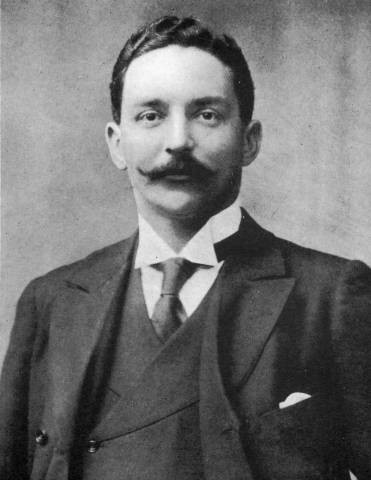


Early life and career
Born into a shipping family in Crosby, Lancashire, Ismay entered the maritime business through the family firm and rose to a senior position in the White Star Line. Under his leadership the company emphasized comfort, scale and amenities to attract wealthy passengers and immigrants alike. Ismay encouraged investments in so-called "superliners" designed to compete with rival lines on transatlantic routes, a strategy that culminated in a class of ships intended to combine luxury with high capacity.
Role in the Titanic project
As chairman and managing director, Ismay was closely involved with the planning and promotion of White Star's new Olympic-class vessels. He was a prominent public face for the line during the design and launch phases. The Titanic was marketed as a marvel of engineering and comfort; debates about its safety features, lifeboat provisions and the decisions made on the night of the collision later became central to assessments of the company's and Ismay's responsibility.
Controversy and inquiries
Ismay survived the sinking after boarding a lifeboat; that fact became a focal point for criticism in newspapers and public opinion. Some accused him of cowardice or of obtaining preferential treatment, while others defended his actions by noting the chaotic conditions and the need to save lives where possible. He testified at formal investigations into the disaster and faced intense scrutiny over White Star's practices, ship design choices and lifeboat arrangements.
Aftermath and later life
Following the disaster, Ismay withdrew from public life and stepped back from the forefront of the shipping industry. The episode shadowed him for many years and influenced how contemporaries and historians perceived his career. He spent later years largely out of the limelight and died in Mayfair, London in 1937 after suffering a stroke. He was married and had several children; his family and private affairs received less attention than the public controversies linked to Titanic.
Legacy and notable facts
- Ismay is closely associated with the rise of early 20th-century passenger liners and the corporate emphasis on luxury travel.
- His survival of the Titanic remains a prominent aspect of his reputation, frequently examined in histories of the disaster.
- The inquiries that followed the sinking led to international changes in maritime safety regulations, including lifeboat requirements—developments often discussed in accounts of Ismay's era.
For further reading on the White Star Line and the Titanic's design and investigations, consult contemporary archives and specialist histories that examine the business decisions, maritime practices and social context of transatlantic shipping in the early 1900s. More general background is available from maritime reference works and museum collections dedicated to the period.
Related articles
Author
AlegsaOnline.com J. Bruce Ismay Leandro Alegsa
URL: https://en.alegsaonline.com/art/48793