
J. Jonah Jameson
Fictional editor-in-chief of the Daily Bugle in Marvel Comics, known as Peter Parker’s boss and a vocal critic of Spider-Man. A loud, complex foil who has appeared across comics, animation, and films.
J. Jonah Jameson is a long-running fictional character in Marvel Comics, chiefly associated with the Spider-Man mythos. Created by Stan Lee and Steve Ditko, he first appeared in the early 1960s as the proprietor and editor-in-chief of the tabloid newspaper the Daily Bugle. In the stories he is best known as the employer of Peter Parker and as a relentless public critic of the costumed vigilante Spider-Man.
Image gallery
5 Images
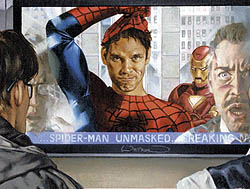


Character and role
Jameson is typically portrayed as loud, stubborn, and fiercely opinionated. He often uses the Bugle’s editorial pages to run anti–Spider-Man campaigns, framing the hero as a menace rather than a savior. Despite his bluster, writers have given him depth: he is a driven journalist with personal flaws, a tendency toward sensationalism, and complex loyalties that sometimes reveal a more principled motivation behind his crusades.
History and development
Introduced in the 1960s, Jameson has evolved from a one-note antagonist into a recurring, multifaceted figure. Across decades of comics he has been shown as a businessman, a father (notably of astronaut John Jameson), and a public figure grappling with ethics and influence. Storylines have explored his ambitions, his susceptibility to manipulation, and occasional moments of begrudging respect for Spider-Man’s actions.
Appearances and portrayals
- Comics: recurring supporting character in Spider-Man titles and wider Marvel stories.
- Film: J. K. Simmons’ portrayal in Sam Raimi’s Spider-Man films and later in the Marvel Cinematic Universe entries won wide acclaim for its energy and fidelity to the comic archetype.
- Notable sequels: Simmons reprised the role in Spider-Man 2 and Spider-Man 3, and returned to related films released decades later.
- Animation and other media: Jameson appears in numerous animated series and video games, typically as a brash media figure.
Jameson’s importance lies less in superhuman deeds than in his function within the narrative: he is a foil who challenges Spider-Man’s public image and forces the hero to respond to public opinion. That role makes him a vehicle for themes about journalism, power, and the social consequences of vigilantism. Over time he has remained one of Spider-Man’s most recognizable supporting characters, alternately comic, antagonistic, and occasionally sympathetic.
Related articles
Author
AlegsaOnline.com J. Jonah Jameson Leandro Alegsa
URL: https://en.alegsaonline.com/art/48789