
Jumpscare
A jumpscare is a sudden visual and/or auditory shock used to startle an audience. Common in horror films and games, it relies on timing, contrast, and the human startle reflex and is often debated for artistic merit.
A jumpscare is a brief, sudden event intended to startle viewers or players by combining an unexpected visual change with an abrupt sound or motion. Its power comes from contrast — a quiet, calm, or mundane moment interrupted by something startling. The effect leverages the human startle reflex and is used across media to generate immediate emotional and physiological reactions.
Image gallery
4 Images
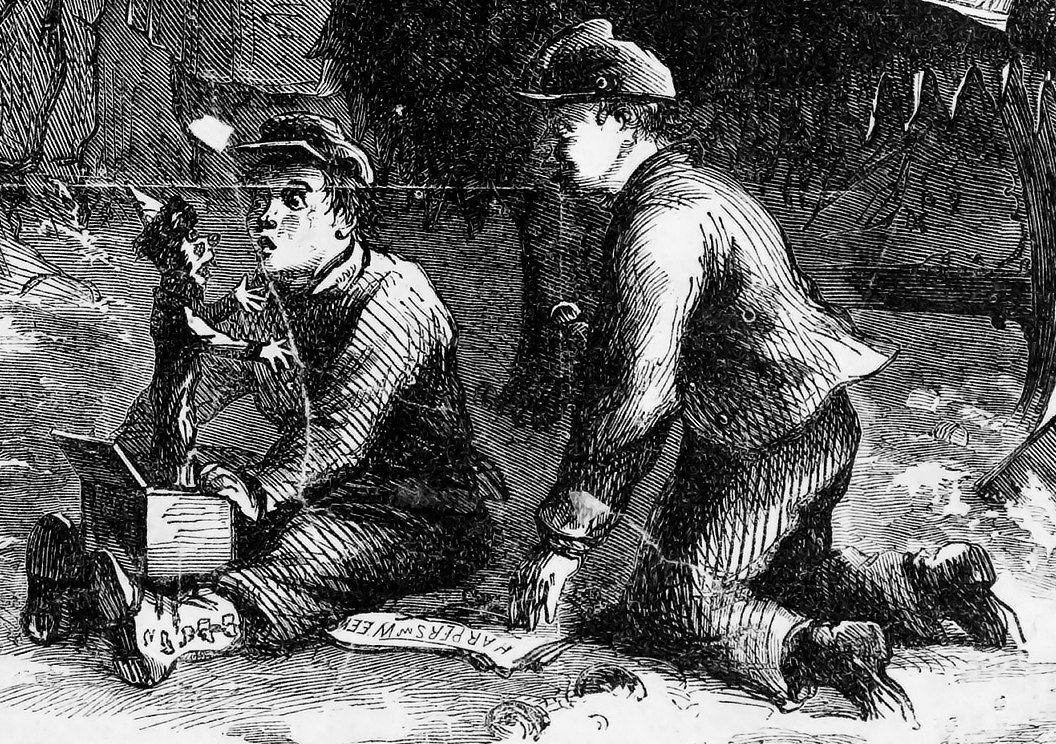

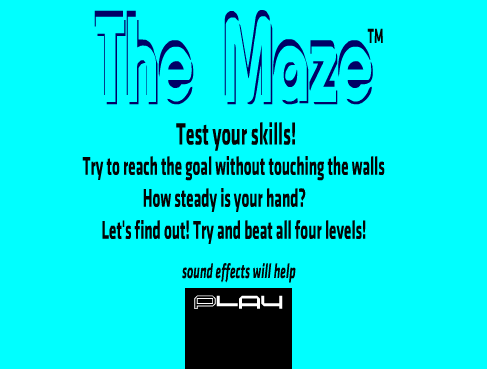
Characteristics
Typical characteristics include a rapid camera cut or close-up, a sudden entry of an image or figure, and a loud or discordant audio cue. Jumpscares can be purely visual, purely auditory, or a mix of both. They often rely on pacing and misdirection: building a tranquil scene, suggesting safety, and then violating that expectation. For more on the basic definition, see this overview.
History and development
Techniques that resemble jumpscares appeared in theater and early cinema where sudden revelations or startling sound effects were used for shock value. The method became prominent in 20th- and 21st-century horror filmmaking and later in interactive media. As sound design and editing evolved, creators refined timing and audio cues to maximize surprise. The role of sound in creating startling effects is discussed in sound-design resources such as technical guides.
Uses and notable examples
Jumpscares are common in horror films, anthology shorts, and many video games, where interactivity can heighten the effect. Game design genres like survival horror frequently use scripted or emergent jumpscares to maintain tension. Popular culture examples and analysis often appear in film and game discussions; a list of influential films that used abrupt shocks can be found at related media pages.
Criticism and defenses
Many critics call jumpscares a cheap or manipulative tactic when used alone, arguing it sacrifices atmosphere and storytelling for an immediate reaction. Supporters counter that, when used judiciously alongside suspense and narrative, a jumpscare can punctuate fear and reinforce themes. Broader debates and critical viewpoints are summarized in essays and reviews linked from critical resources.
Techniques, effects, and distinctions
Common techniques include silence immediately before the scare, false alarms that build expectation, sudden zooms, and layered audio spikes. Physiologically, a jumpscare triggers the startle reflex, increasing heart rate and releasing adrenaline for a short time. It differs from sustained suspense: jumpscares are instantaneous shocks, whereas suspense is prolonged anxiety or anticipation. Understanding that distinction helps creators choose which approach best serves a story's mood.
Questions and answers
Q: What is a jumpscare?
A: A jumpscare is a technique used to scare the audience through sudden, loud noises and quick visual changes.
Q: Is a jumpscare only used in horror movies?
A: No, a jumpscare is not only used in horror movies but it is also used in many video games as well.
Q: What do some people say about jump scares?
A: Some people criticize jump scares as a cheap and/or lazy way to scare the audience.
Q: What is the purpose of a jump scare?
A: The purpose of a jump scare is to create a sense of shock or surprise in the audience, adding to the tension and intensity of the scene.
Q: Why do some people consider jump scares cheap?
A: Some people consider jump scares cheap because they rely on a sudden and loud shock element rather than building tension or developing a scary atmosphere.
Q: Are jump scares effective in scaring the audience?
A: Jump scares can be effective in scaring the audience, especially when used sparingly and in combination with other scary techniques.
Q: In what other forms of media can jump scares be found?
A: Jump scares can be found in many forms of media, including video games, television shows, and virtual reality experiences.
Related articles
Author
AlegsaOnline.com Jumpscare Leandro Alegsa
URL: https://en.alegsaonline.com/art/51577