
Josei (female-targeted manga and anime)
Josei is a Japanese category of manga and anime aimed at adult women, characterized by realistic storytelling, mature themes, and portrayals of adult relationships, work life, and everyday challenges.
Overview
Josei (literally “women” in Japanese) denotes manga and anime produced for adult women, typically older than high-school age. In publication and fandom contexts the term describes a demographic category rather than a single style: works labeled josei often prioritize realism, emotional nuance, and issues relevant to grown-up life. In animation contexts the label is applied to show adaptations and original series that target this readership; see general coverage at josei. Josei exists on a spectrum that overlaps with other categories such as shōjo (girls) and seinen (young men).
Image gallery
3 Images

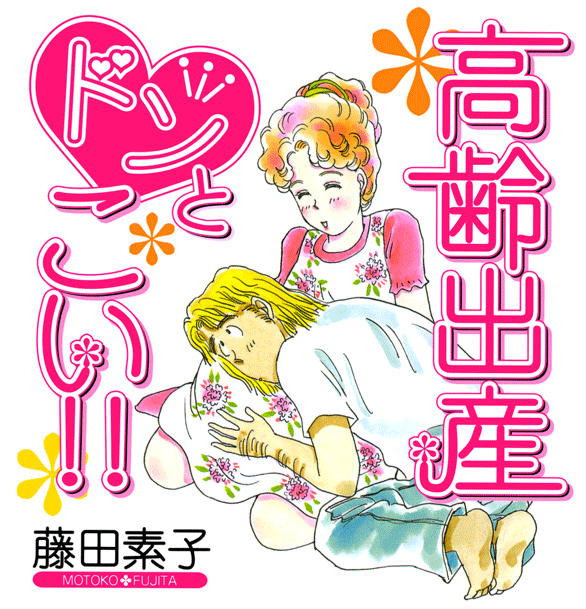
Characteristics and common themes
While individual titles vary widely, josei works frequently feature:
- Realistic portrayals of adult relationships, including long-term romance, breakups, and complicated emotional lives.
- Workplace stories and career concerns—office life, freelancing, and balancing personal and professional priorities.
- Everyday slice-of-life narratives with mature pacing and attention to mundane detail.
- Psychological depth, moral ambiguity, and more frank depictions of sexuality than found in younger-targeted genres.
- Exploration of family, friendship, parenthood, and social expectations placed on women.
History and development
The josei category emerged as manga publishers in the late 20th century segmented their markets, creating magazines and imprints for adult women. Manga was the primary medium for josei storytelling, and many influential josei works began as serialized comics. Anime adaptations have been produced less often than for shōjo or shōnen properties, but notable adaptations helped bring josei themes to wider television and streaming audiences.
Format, audience and overlap
Josei is a demographic label rather than a genre, so stories range from romantic comedy to literary drama. Because readership and viewing habits vary, some series classified as josei may appeal to men or younger viewers, and some works occupy the border between josei and related categories. The tone tends toward mature realism, but art styles and narrative techniques can be diverse.
Significance and examples
Josei has influenced how adult experiences are represented in Japanese popular culture, offering perspectives on modern womanhood, work, and relationships. While fewer anime are explicitly marketed as josei compared with manga, several respected series and adaptations are often cited as examples of the category. The label remains useful for publishers, creators, and audiences seeking stories that address adult concerns with emotional honesty and complexity.
Notable distinctions
Key distinctions between josei and other female-oriented categories center on age and narrative approach: shōjo generally targets girls and often emphasizes romantic idealism and coming-of-age plots, while josei favors realism and adult viewpoints. Overlaps occur, and creators sometimes blend elements from multiple demographics to reach broader audiences.
Questions and answers
Q: What is Josei anime?
A: Josei anime is anime designed for women who are older than high school age.
Q: What does the term Josei mean?
A: The term Josei means "women."
Q: How does Josei differ from shôjo?
A: While there is some overlap, Josei typically portrays more realistic stories, while shôjo tends to be more fantastical.
Q: What demographic is Josei intended for?
A: Josei is intended for women who are more mature and want more mature anime.
Q: What does the text say about the stories portrayed in Josei anime?
A: The stories in Josei anime are generally more like real life than those found in shôjo.
Q: What does the term shônen refer to in relation to anime?
A: Shônen refers to anime intended for a younger male audience.
Q: Is there overlap between different anime demographics?
A: Yes, there can be overlap between different anime demographics.
Related articles
Author
AlegsaOnline.com Josei (female-targeted manga and anime) Leandro Alegsa
URL: https://en.alegsaonline.com/art/51193