
Ivan Vsevolozhsky: Russian theatre director, librettist and designer
Biography of Ivan Alexandrovich Vsevolozhsky (1835–1909), his role as Director of the Imperial Theatres, collaboration with Tchaikovsky and Petipa, design work and later directorship of the Hermitage.
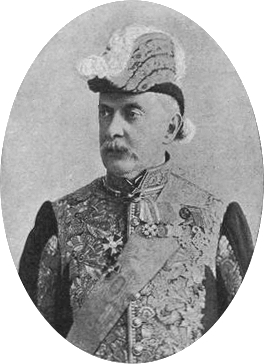
Ivan Alexandrovich Vsevolozhsky (1835–1909) was a prominent Russian cultural administrator, stage designer and librettist whose work shaped late 19th‑century theatre and ballet in Saint Petersburg. He combined managerial responsibility with active creative input, commissioning music and supervising visual production for major operas and ballets. For a Russian-language reference see biographical entry.
Image gallery
10 Images





Career and major projects
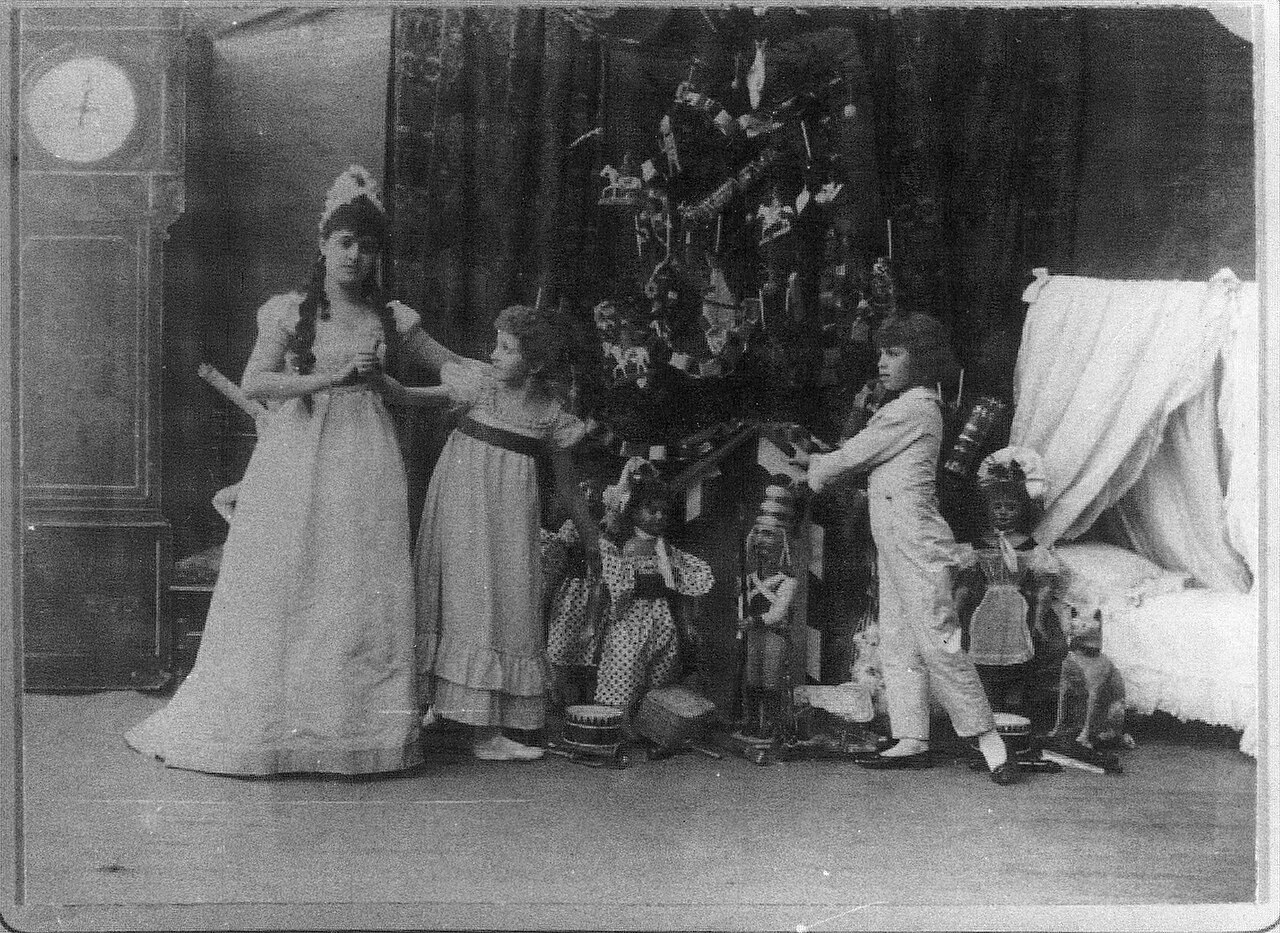
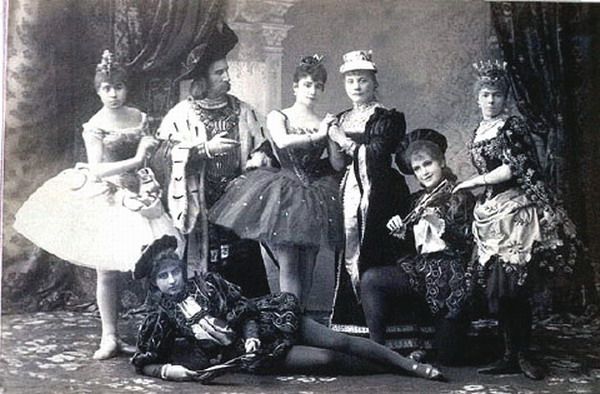
Vsevolozhsky served as Director of the Imperial Theatres in Saint Petersburg from 1886 to 1899, a period when the court theatre system remained central to Russian performing arts. In that capacity he commissioned Pyotr Ilyich Tchaikovsky to compose two ballets that later became cornerstones of the repertory: The Sleeping Beauty (1890) and The Nutcracker (1892). He collaborated closely with the choreographer Marius Petipa on the libretti and staging; their partnership is often cited in studies of classical ballet and is noted in sources connected to Marius Petipa.
Artistic contributions and style
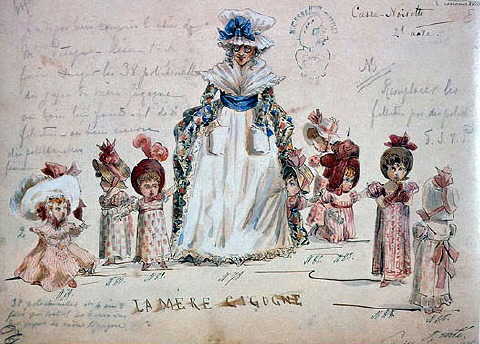
Unlike many administrators, Vsevolozhsky took an active role in the look of productions: he prepared costume sketches and conceived scenery for numerous works. Contemporary accounts and later summaries credit him with designing or directing the visual plans for about 25 operas and ballets, aiming for detailed, historically inspired costumes and richly textured stage pictures. His approach emphasized coherence between music, choreography and visual design.
Later life: the Hermitage
After leaving the Imperial Theatres, Vsevolozhsky was appointed Director of the State Hermitage Museum in 1899. He held that post until his death in 1909, overseeing aspects of one of Russia’s major museum institutions and continuing to influence cultural life in Saint Petersburg; see the museum entry Hermitage Museum for institutional context.
Legacy and significance
Vsevolozhsky’s legacy rests chiefly on his role in bringing Tchaikovsky’s ballets to the stage and on his insistence that administrative leaders could also be creative collaborators. The ballets he helped realize remain among the most frequently performed works in the international repertory, and his combined duties as manager, librettist and designer illustrate the close relationship between artistic vision and institutional power in the late Imperial era.
- Key positions: Director, Imperial Theatres, Director, Hermitage
- Notable commissions: The Sleeping Beauty, The Nutcracker
- Creative partners: Marius Petipa
- Reference: Russian biographical source
Related articles
Author
AlegsaOnline.com Ivan Vsevolozhsky: Russian theatre director, librettist and designer Leandro Alegsa
URL: https://en.alegsaonline.com/art/48698
Sources
- tchaikovsky-research.net : Ivan Vsevolozhskii