
Irvine, California: planned city in Orange County and regional center
Irvine is a master-planned city in Orange County, California, known for its university campus, business parks, large green spaces and the redevelopment of the former El Toro air station into the Great Park.
Overview
Irvine is a master-planned city located in Orange County, in the U.S. state of California. Incorporated in 1971, Irvine grew largely from land holdings and development plans created by the Irvine Company in the mid-20th century. The city is commonly described as a collection of planned villages, extensive parks and business districts, and it is often noted for its strong municipal planning, landscaping, and emphasis on open space.
Image gallery
10 Images





Geography and neighborhoods
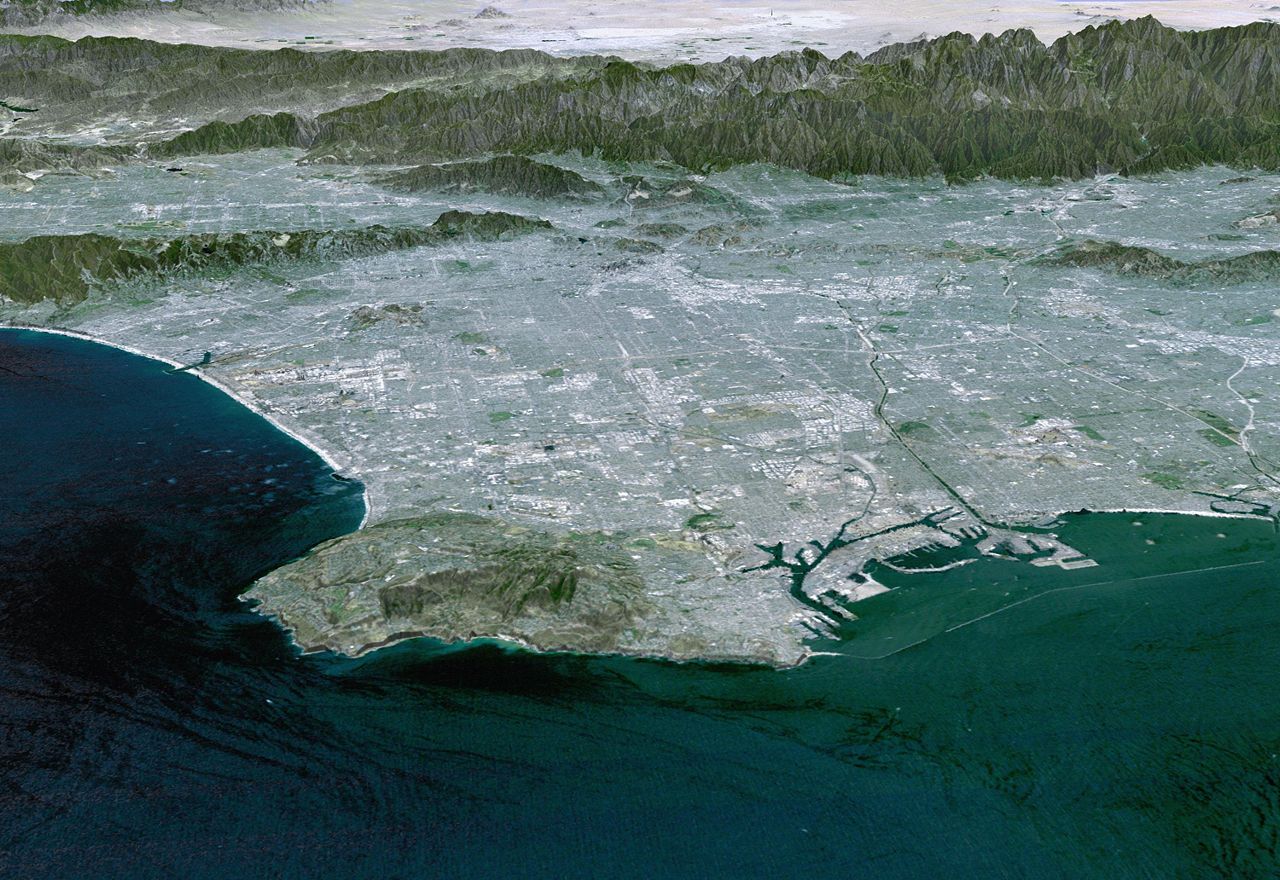
Irvine sits inland from the Pacific Coast within the greater metropolitan region often referred to as the Greater Los Angeles Area. Its design groups residential, commercial and institutional areas into distinct villages and neighborhoods connected by arterial roads and greenbelts. The city contains a mix of single-family neighborhoods, medium-density housing, and higher-density centers near transit and employment hubs. Public and private parks, linear greenways and preserved natural areas are prominent features of the local landscape.
History and planning
The modern city developed out of ranch lands controlled by the Irvine Company. Beginning in the 1960s, large-scale planning established residential villages, business parks and educational sites. The city formally incorporated on December 28, 1971. A major chapter in Irvine’s development was the closure of the Marine Corps Air Station at El Toro; much of that land has been planned for conversion into the Orange County Great Park, a long-term redevelopment and recreational project built around open space and community amenities.
Economy, education and institutions
Irvine hosts a diversified economy with clusters in technology, biomedical research, finance, real estate and higher education. The University of California has a major campus in the city, which contributes research, employment and cultural resources. Business parks and mixed-use centers — including large regional shopping and office nodes — draw commuters and firms from across the county and region.
Parks, recreation and transportation
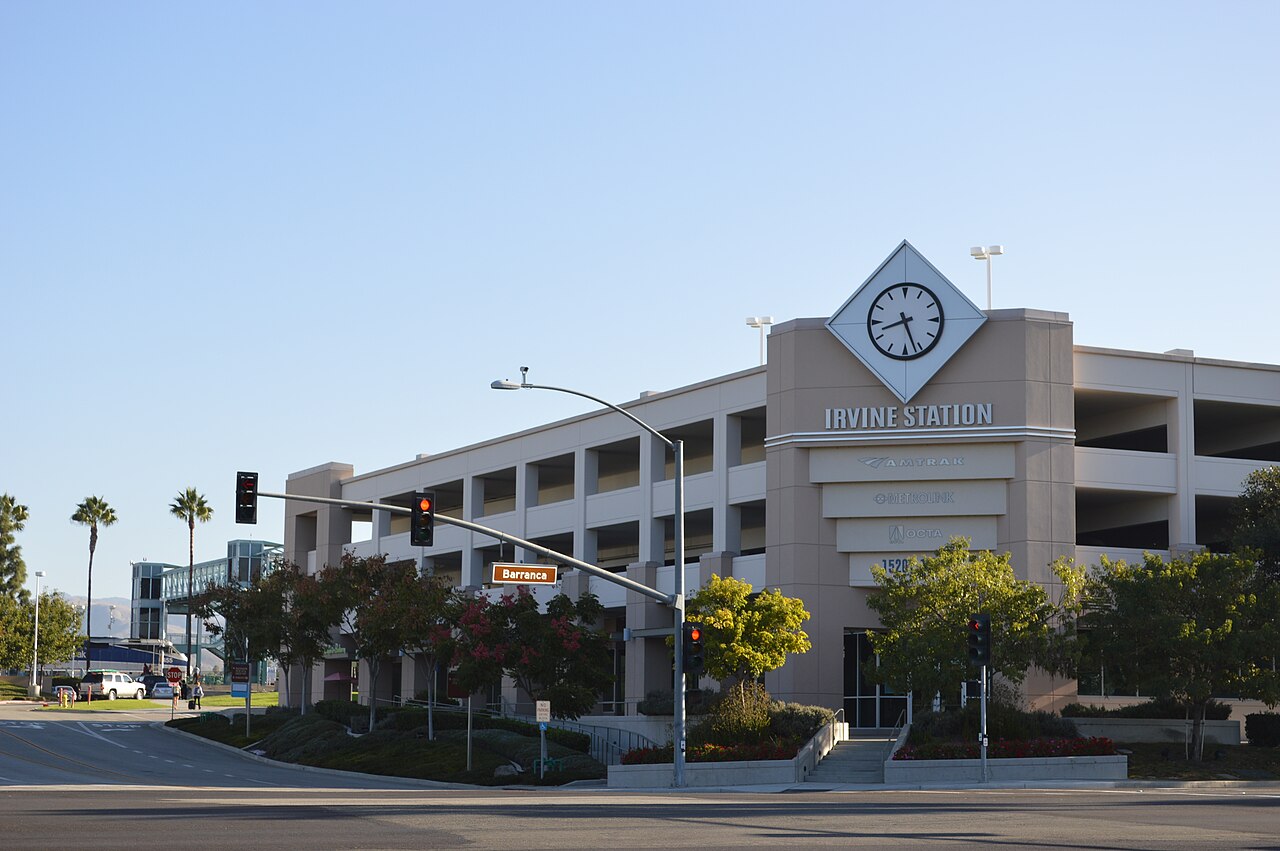
Open space, trails and community parks are central to the city’s identity. The planned Great Park, recreational complexes and neighborhood parks provide sports fields, cultural venues and public programs. Regional transportation connections include highways serving Orange County and nearby airports; local transit and bike-friendly corridors support intra-city mobility. Visitors and residents benefit from relative proximity to beaches and inland mountain recreation.
Notable features and distinctions
- Master-planned development guided much of the city’s growth and land-use pattern.
- The presence of a major public research university shapes the educational and cultural life of the city; see the campus of the University of California.
- Redevelopment of the former El Toro military base into the Orange County Great Park is a prominent example of converting military land to civic use.
- Irvine participates in regional planning and economic networks across the county and the broader metropolitan area.
For more local information, planning documents and community resources consult city profiles and regional guides maintained by municipal and county organizations. Additional general references and visitor resources are available through regional transportation and tourism sites as well as university publications and business directories. See local pages and resources linked from municipal and county portals for authoritative, up-to-date details and maps (demographics and statistics, regional context, city website, county resources).
Historical background, planning philosophies and ongoing development initiatives can be explored through archived materials, university research centers and civic planning reports; many such resources are summarized in municipal records and local historical collections (state-level references, land and zoning summaries, park redevelopment information, academic studies).
Related articles
Author
AlegsaOnline.com Irvine, California: planned city in Orange County and regional center Leandro Alegsa
URL: https://en.alegsaonline.com/art/48279
Sources
- commons.wikimedia.org : Irvine, California
- library.municode.com : "Municode Library"
- geonames.usgs.gov : "Irvine"
- calafco.org : "California Cities by Incorporation Date" · web.archive.org
- cityofirvine.org : "City Charter"
- cityofirvine.org : "City Manager"
- cityofirvine.org : "City Council"
- www2.census.gov : "2016 U.S. Gazetteer Files"
- ocregister.com : E-1 Population Estimates for Cities, Counties, and the State — January 1, 2015 and 2016
- tools.usps.com : "ZIP Code(tm) Lookup" · web.archive.org