
Languages of Ireland
Survey of the languages spoken in Ireland today: Irish (Gaeilge), English, Ulster Scots, sign languages, immigrant and historical languages, their status, regional use, and cultural role.
Overview
Ireland is multilingual in practice and historically. Modern public life is dominated by English, while Irish (Gaeilge) remains the indigenous Celtic language. Smaller languages and varieties — including Ulster Scots, Irish Sign Language, Traveller speech forms, and the tongues of immigrant communities — contribute to the country’s linguistic landscape.
Image gallery
6 Images



Official status and law
The Irish Constitution names Irish as the national and first official language and recognises English as a second official language. National legislation (notably the Official Languages Act) and policy programmes promote the use of Irish in the public sphere and provide for services in Irish. Sign language for the Deaf community received formal recognition in the 2010s.
Major languages
- Irish (Gaeilge) — An indigenous Goidelic language with regional dialects (Munster, Connacht, Ulster). It is the focus of revival and education efforts and survives as a community language in Gaeltacht areas on the west coast.
- English — The dominant language of everyday communication, commerce, education and media across the island; varieties include Hiberno-English with local vocabulary and syntax.
Minority, sign and Traveller languages
Ulster Scots is spoken in parts of the north and has cultural and historical recognition in some institutions. Irish Sign Language (ISL) is used by the Deaf community and was officially recognised in the 2010s. Traveller communities maintain distinct speech forms such as Shelta; Romani and other languages also occur within traveller and minority populations.
Immigrant and historical languages
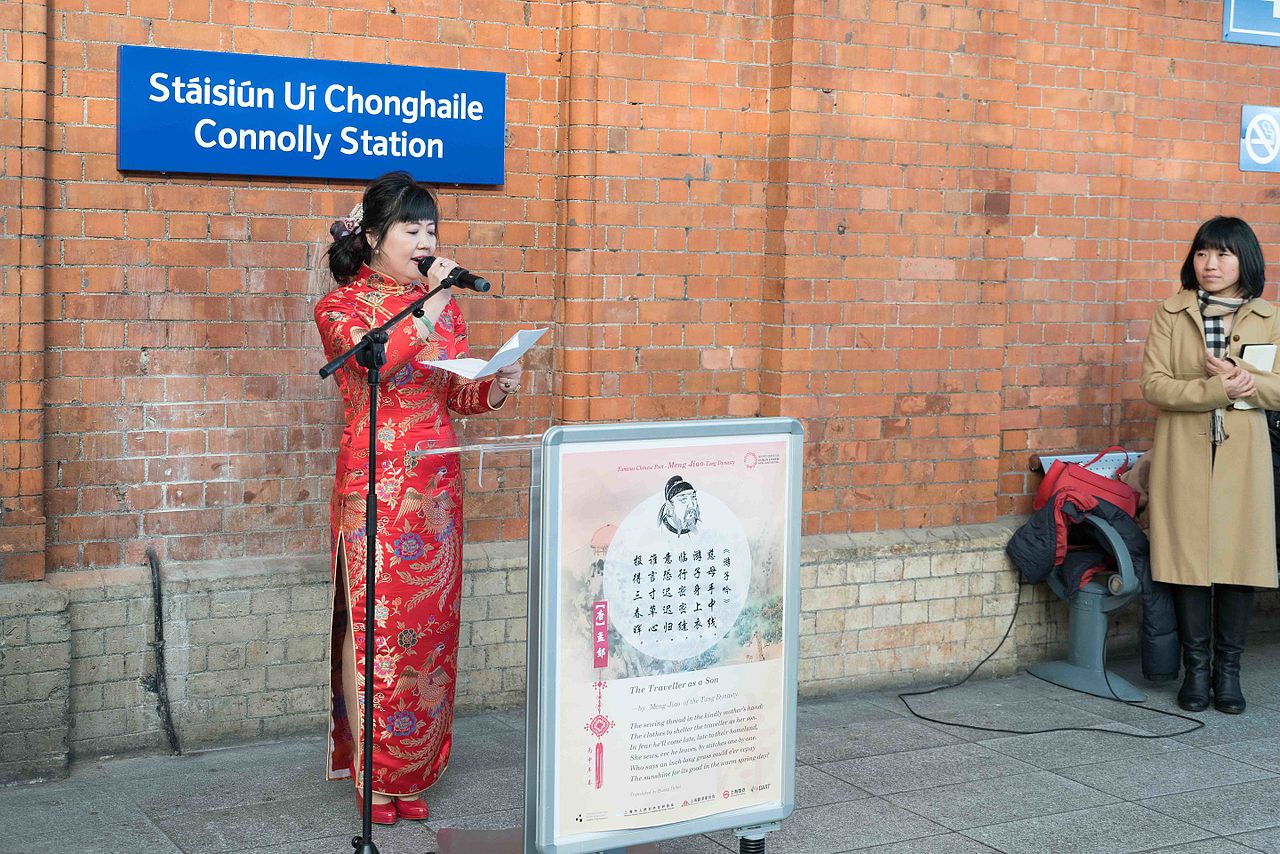
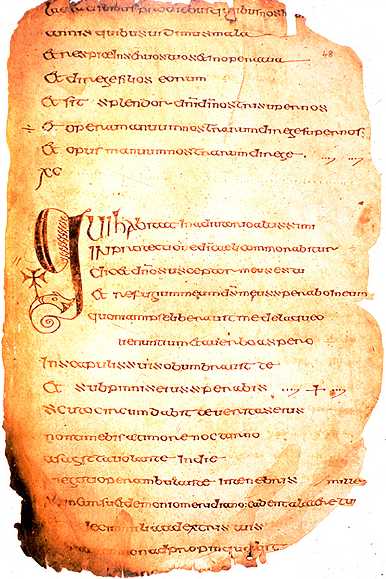
Since the late 20th century immigration brought many new languages, of which Polish has been particularly prominent, alongside Lithuanian, Chinese, Romanian and others. Historically, Latin, Old Norse, Anglo-Norman French and various English forms influenced the island’s languages during different periods.
Importance and distinctions
Language in Ireland intersects with identity, politics and education. Irish functions as a symbol of national and cultural heritage and as a living community language; English serves as the practical lingua franca; smaller languages reflect regional history and recent migration. Policies balance promotion of Irish with support for minority language rights and services for diverse communities.
Related articles
Author
AlegsaOnline.com Languages of Ireland Leandro Alegsa
URL: https://en.alegsaonline.com/art/48174