
Italian language in Croatia: presence, history, and cultural role
An overview of the Italian language as a recognized minority language in Croatia — its distribution, historical roots, legal status, education and cultural presence, especially in Istria and the Adriatic coast.
The Italian language is a long-established minority language in Croatia. According to modern censuses it is the third most spoken language in the country after Croatian and Serbian. In particular the language enjoys official minority status in Istria County, where a notable percentage of residents report Italian as their mother tongue. For general reference on the language itself see Italian.
Image gallery
10 Images


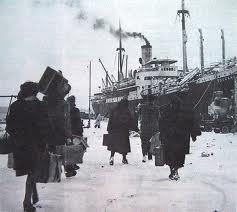


Geographic distribution and characteristics
Italian speakers are concentrated along the western Adriatic coast: most visible in Istria and the nearby Kvarner islands, with smaller communities historically present in parts of Dalmatia. Use ranges from everyday speech in some towns to tourism-related and cultural uses in larger urban centres. In bilingual municipalities Italian appears on official signage and in public services alongside Croatian.
Historical background
The presence of Italian in the eastern Adriatic reflects centuries of contact: Venetian rule of coastal cities, trade across the Adriatic and later Austro-Hungarian administration created linguistic and cultural links. The region experienced significant demographic change in the mid-20th century, which reduced some Italian-speaking populations, although communities and traditions have persisted.
Legal status, education and media
Croatia recognises Italian as a minority language in areas where the community meets legal thresholds. Practical implications can include:
- use of Italian in municipal administration and civil registers in bilingual towns,
- Italian-language primary schools and kindergarten options,
- local radio, print and cultural programming serving the community.
Cultural role and contemporary importance
Italian contributes to regional identity on the Istrian peninsula and along the coast, influencing cuisine, architecture and festivals. Bilingual education and cultural associations help maintain the language across generations. Visitors to the region often encounter Italian in shops, restaurants and tourism services, reflecting both living communities and the shared Adriatic heritage.
Notable distinctions
When discussing languages in Croatia it is useful to distinguish between historical influence (long-standing cultural and commercial ties), current demographic presence (concentrated minority communities) and official recognition (local bilingualism and minority rights). For further context about the language itself consult resources on Italian, and for local administrative information see materials about Istria County and census summaries that compare Croatian and Serbian usage (Croatian, Serbian).
Questions and answers
Q: What is the status of the Italian language in Croatia?
A: The Italian language is the third most spoken language and is officially recognized as a minority language in Istria County.
Q: What percentage of the population in Istria County speaks Italian?
A: 7.69% of the population in Istria County speaks Italian.
Q: What are the two most spoken languages in Croatia?
A: Croatian and Serbian are the two most spoken languages in Croatia.
Q: Is Italian a widely spoken language in Croatia?
A: No, Italian is not widely spoken in Croatia.
Q: Is the Italian language recognized as a minority language in any part of Croatia?
A: Yes, the Italian language is officially recognized as a minority language in Istria County.
Q: Is the Italian language important for business dealings in Croatia?
A: It may be helpful, but it is not considered essential for business dealings in Croatia.
Q: What role does the Italian language play in Croatian culture?
A: The Italian language has historical and cultural significance in Croatia, particularly in Istria County where it has been spoken for centuries.
Related articles
Author
AlegsaOnline.com Italian language in Croatia: presence, history, and cultural role Leandro Alegsa
URL: https://en.alegsaonline.com/art/48594
Sources
- ethnologue.com : Ethnologue Report for Italian
- istra-istria.hr : Region of Istria Official Website
- dzs.hr : Republic of Croatia Central Bureau of Statistics