
Iraqi dinar (IQD)
The Iraqi dinar is Iraq’s official currency (ISO code IQD), subdivided into 1,000 fils. Issued by the Central Bank of Iraq, its role and value have changed with the country’s political and economic history.
Overview
The Iraqi dinar is the official currency of Iraq and is commonly abbreviated IQD. It is subdivided into 1,000 smaller units called fils, though these fractional units are rarely used in everyday transactions due to inflation. Banknotes and coins denominated in dinars are the primary means of payment within the country; the currency is issued and regulated by the Central Bank of Iraq.
Image gallery
10 Images


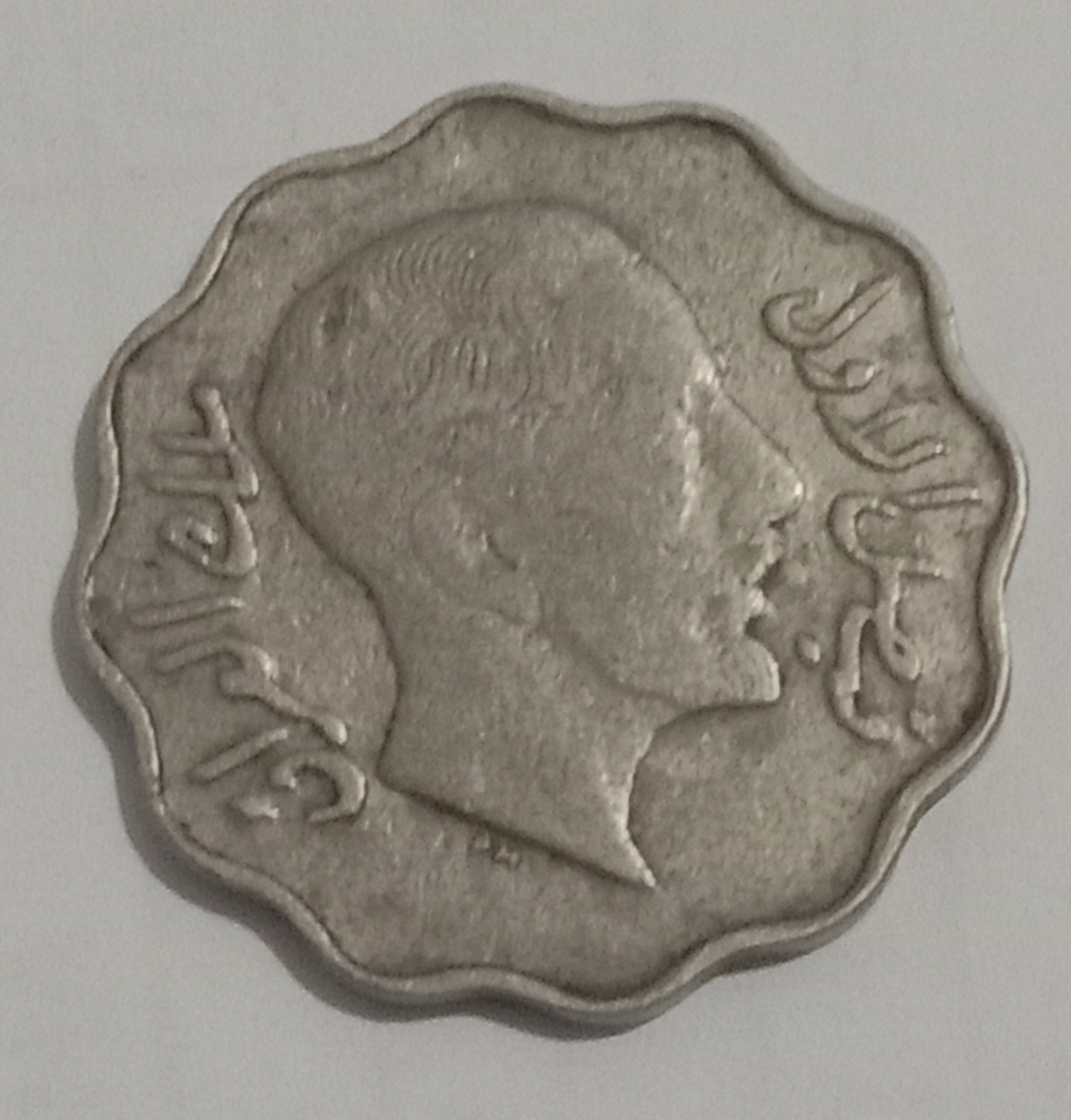
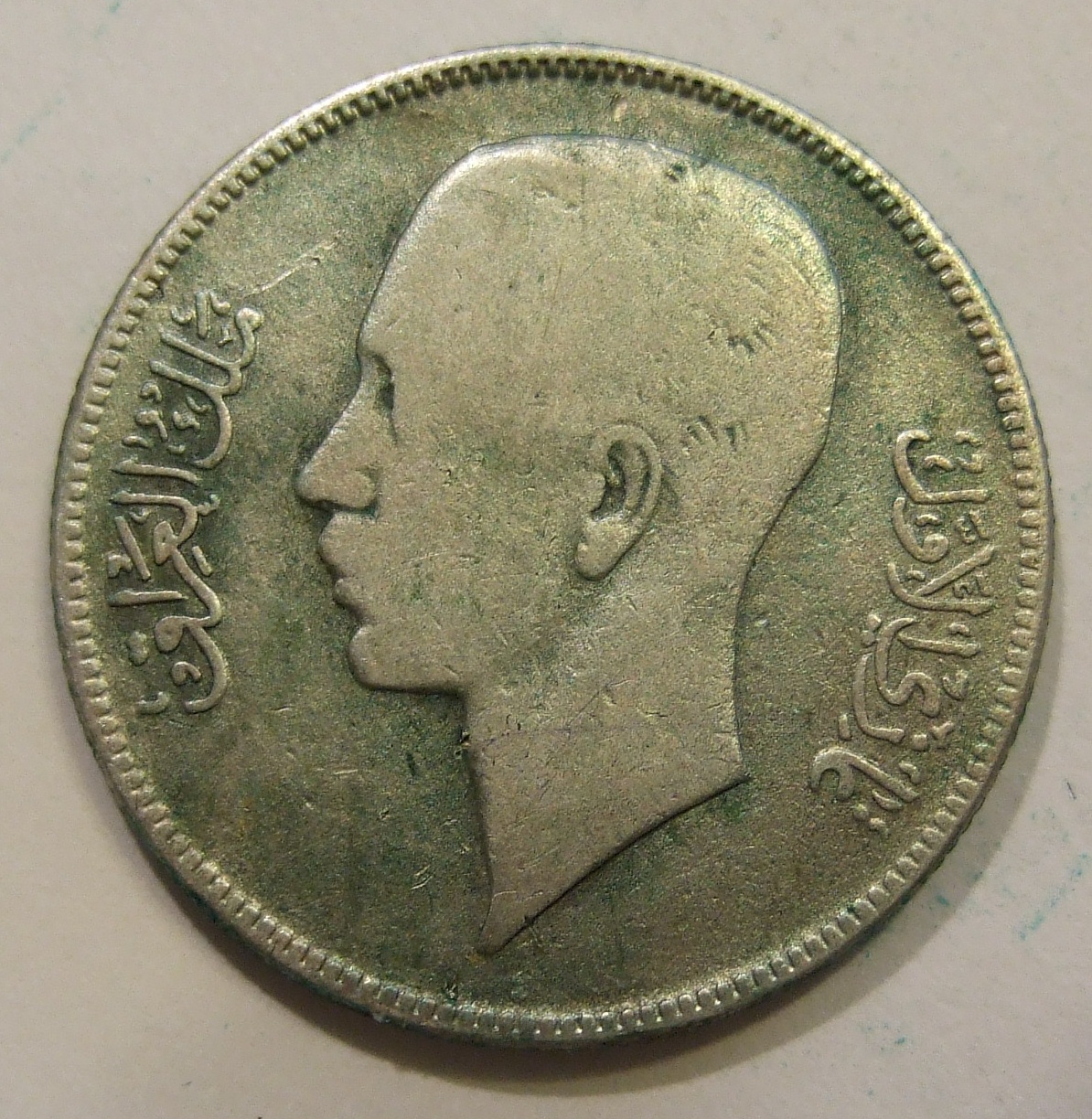
Characteristics and denominations
The dinar is produced in a range of banknote values and, historically, coins and fractional units. Coins denominated in fils exist on paper and in minting records, but they have limited purchasing power today. Banknotes are printed with security features, varying sizes, colors and imagery that reflect Iraq’s cultural and historical themes.
- Subdivision: 1 dinar = 1,000 fils.
- Issuing authority: Central Bank of Iraq.
- Physical forms: circulating banknotes and a small number of coin types; designs have been updated periodically.
History and development
The modern Iraqi dinar was introduced in the early 20th century as the country established its financial institutions; it replaced earlier regional currencies and was tied to global exchange regimes at different times. Over subsequent decades the dinar’s value and appearance have been influenced by monetary policy, war, sanctions and reconstruction. A notable reshaping of banknote design occurred after major political changes in the early 21st century, when new issues removed previous regime symbols and incorporated enhanced security elements.
Uses and economic importance
Inside Iraq the dinar is the normal unit for salaries, prices, taxes and savings. Its exchange rate against foreign currencies affects import costs, inflation and purchasing power. Outside Iraq the dinar is sometimes referenced in investment or exchange discussions, but it is not widely traded on all international foreign-exchange markets and is subject to controls and conversion regulations.
Notable facts and distinctions
Currency design and issuance have reflected shifting political eras. Small-value units such as the fils remain a formal subdivision but are of limited practical value in daily commerce. For further basic references on the currency itself see general entries on the Iraqi dinar and national context for Iraq. The dinar’s history illustrates how national money can be shaped by central bank policy, conflict and reconstruction efforts.
Related articles
Author
AlegsaOnline.com Iraqi dinar (IQD) Leandro Alegsa
URL: https://en.alegsaonline.com/art/48121