
Irena Sendler — Polish social worker who rescued Jewish children during WWII
Irena Sendler (1910–2008) was a Polish nurse and social worker who, as a member of Żegota, helped rescue roughly 2,500 Jewish children from the Warsaw Ghetto and preserve their records for postwar reunification.
Overview
Irena Stanisława Sendler (15 February 1910 – 12 May 2008) was a Polish nurse and social worker who became notable for organizing the rescue of Jewish children from the Warsaw Ghetto during World War II. Working with the underground relief organization Żegota, she is credited with saving about 2,500 children by arranging false identities and new homes outside the ghetto.
Image gallery
10 Images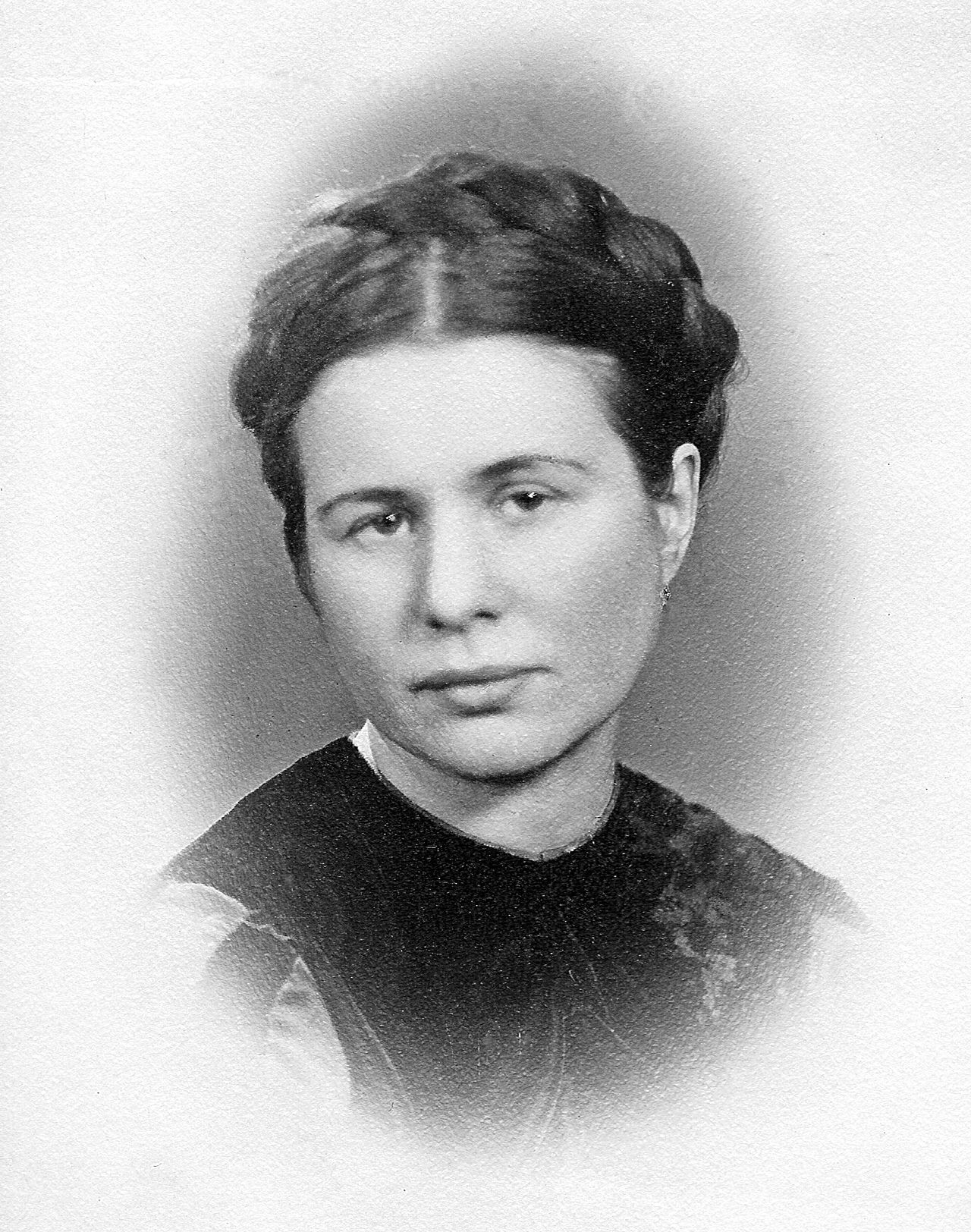


Background and early career
Before the war Sendler worked in Warsaw’s municipal welfare services and drew on that experience when Nazi occupation began. Based in Warsaw, she used her position and contacts to obtain supplies, arrange rescue routes and place children with sympathetic families, convents, and institutions that could hide them under assumed Christian identities.
Methods and organization
Sendler operated within Żegota, the Council to Aid Jews, which coordinated civilian resistance and assistance. Her methods were varied and clandestine; common tactics included:
- smuggling children out of the ghetto in ambulances, bags, or through sewers;
- forging documents and identity papers to give children Polish or Christian names;
- finding foster homes, orphanages, and religious houses willing to shelter children;
- keeping careful lists of original identities—often concealed and preserved to help reunite families after the war.
Arrest, torture, and narrow escape
In 1943 Sendler was arrested by the Gestapo and subjected to interrogation and torture. She was condemned to death, but did not die; members of the resistance managed to intervene and she avoided execution. Afterward she continued to assist clandestine efforts and later worked to locate records of children’s birth names that she had hidden while the war was ongoing.
Aftermath, recognition, and legacy
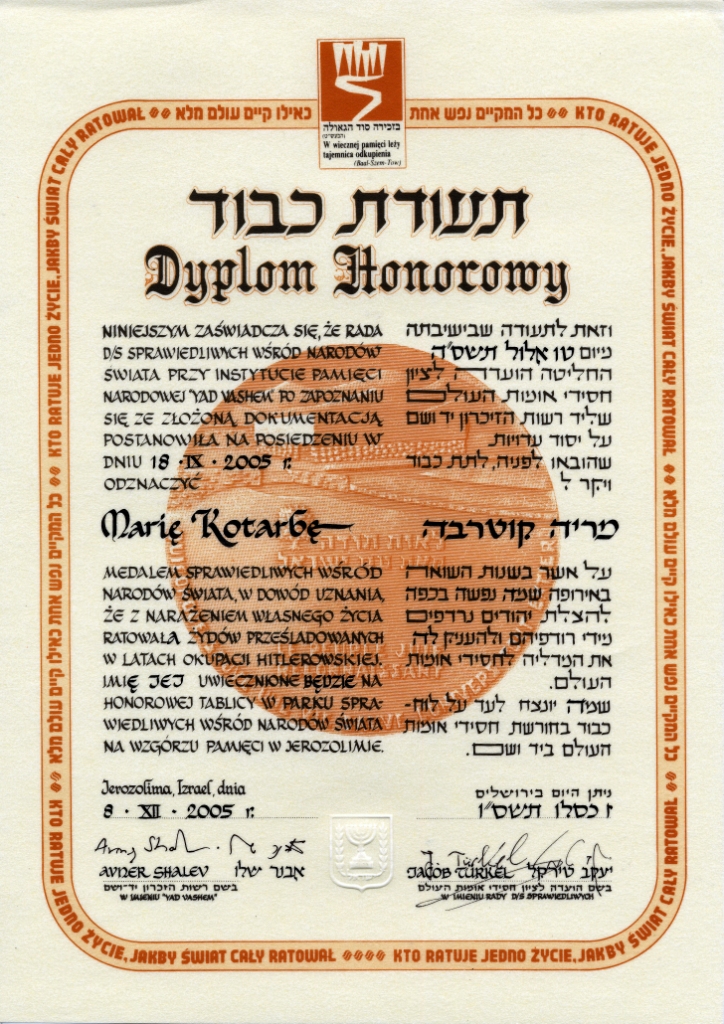
Following the war Sendler resumed social work though her wartime role was not widely known for decades. She was later recognized as one of the Righteous Among the Nations and received multiple honors from Polish and international institutions. Her story has been the subject of books, plays and educational projects, and remains a prominent example of civilian rescue efforts during the Holocaust.
Notable facts and distinctions
Sendler’s work is particularly remembered for the scale of child rescue efforts and the deliberate preservation of identity lists, which were reportedly buried to survive the war and used to help reunite survivors with relatives. Her actions illustrate the networks of risk, resourcefulness and moral courage that operated in occupied Europe.
Related articles
Author
AlegsaOnline.com Irena Sendler — Polish social worker who rescued Jewish children during WWII Leandro Alegsa
URL: https://en.alegsaonline.com/art/48134
Sources
- yadvashem.org : Irena Sendler