
Irenaeus of Lyons (c. 130–202) — Early Church Father and Theologian
Irenaeus, bishop of Lyons in the late 2nd century, opposed Gnosticism and shaped early Christian theology and the recognition of the fourfold Gospel through his writings and pastoral leadership.
Irenaeus is one of the most influential figures of the second‑century Christian church. Traditionally dated c. 130–202, he is remembered as a vigorous defender of what became orthodox Christianity. Writing in a period of doctrinal dispute, he combined pastoral responsibility with learned argument to respond to competing interpretations of Christian teaching.
According to later accounts he came from the eastern Mediterranean, often identified as Smyrna, and is traditionally described as a pupil of Polycarp. He rose to prominence as bishop in Lyons (Gaul) during a turbulent era for the church in what is now France. His episcopal role required both administrative leadership and theological defence against movements the church judged heretical.
Image gallery
10 Images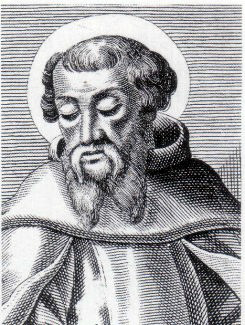



Major works and central themes
Irenaeus is best known for a long polemical treatise usually called Adversus Haereses (Against Heresies). As a recognized Church Father, he articulated themes that would shape later Christian teaching: the unity of God, the reality of the incarnation, the continuity of revelation, and the defeat of Gnostic mythologies. He insisted that faith must be measured by apostolic teaching and the life of the church.
His writings include short catechetical pieces and longer theological works. Below are brief lists of his works and recurring theological points:
- Major writings: Adversus Haereses; shorter treatises sometimes titled Demonstration of the Apostolic Preaching and various pastoral letters.
- Key themes: the doctrine of "recapitulation" (Christ sums up human life and corrects Adam's disobedience), the authority of apostolic succession, and a high view of Scripture and orthodox tradition guiding interpretation.
He also produced numerous Christian writings that preserve quotations from many earlier texts; these citations later helped scholars determine which books of the New Testament were widely read and accepted.
Legacy and significance
Irenaeus is credited with shaping early responses to Gnosticism and with defending the fourfold Gospel (Matthew, Mark, Luke and John) as normative. While not the sole force behind the later formal New Testament canon, his appeal to apostolic tradition and his use of a broad set of texts were important precedents for subsequent councils and teachers. He is honored in both Western and Eastern Christian traditions, and his memory is observed on 28 June.
Scholars continue to study Irenaeus for what his works reveal about second‑century belief, pastoral practice, and the process by which diverse local churches came to share common convictions. For introductions to his thought and editions of his writings, see standard reference works and collections available through academic and ecclesiastical libraries.
Related articles
Author
AlegsaOnline.com Irenaeus of Lyons (c. 130–202) — Early Church Father and Theologian Leandro Alegsa
URL: https://en.alegsaonline.com/art/48136