
Ion Besoiu — Romanian stage and film actor (1931–2017)
Romanian actor Ion Besoiu had a long career in theatre, film and television from the 1950s to the 2010s, noted for a leading role in Toate pânzele sus and performances in landmark Romanian films.
Overview
Ion Besoiu was a Romanian actor whose professional life spanned stage, film and television for more than half a century. Born in Sibiu in 1931, he became a familiar face to generations of Romanian audiences through theatre work and a steady presence in motion pictures and TV series. His name is often associated with both historical epics produced during the Communist period and later contemporary films of the post‑Communist era. For a general profile see biographical resources.
Image gallery
1 Image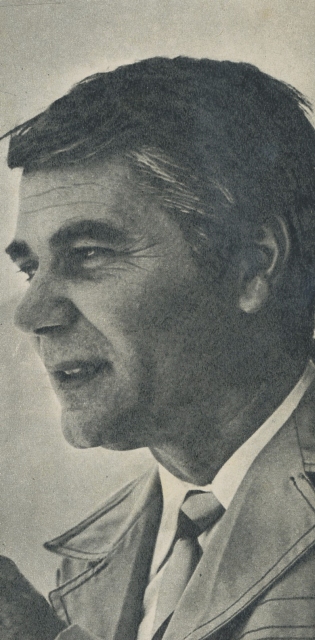
Career and artistic profile
Besoiu built a reputation as a versatile performer able to play leading and supporting parts across genres. He worked in state‑run film productions as well as television adaptations and theatre, adapting to changing artistic climates from the 1950s onward. The Romanian film industry of his early career operated under centralised cultural policies; many of the feature films in which he appeared were produced during that era, reflecting a mixture of historical themes and social narratives that dominated national cinema at the time. For context about the film environment of that period consult historical overviews.
Notable roles and screen work
Besoiu is widely remembered for his lead part in the television adventure series Toate pânzele sus, an adaptation of a popular maritime novel that reached broad audiences. On the big screen, his filmography includes titles that became part of Romania's cinematic history. Among his better‑known appearances are:
- Thirst (1961)
- Michael the Brave (1970)
- The Actor and the Savages (1975)
- Mihail, câine de circ (1979)
- The Last Assault (1985)
In later decades he continued to act in contemporary cinema, appearing in films such as Loverboy (2011) and Bucharest Non Stop (2015). More on particular productions can be found via film‑specific listings and archives: filmography.
Legacy and later life
Besoiu's career is often cited as an example of a performer who maintained steady work across different political and cultural periods in Romania. He was born in the Transylvanian city of Sibiu and his origins are sometimes noted in regional cultural histories: Sibiu background. He died in Bucharest in January 2017 at the age of 85, and accounts of his death and remembrance events were recorded by local media and institutions in the capital: reports from Bucharest. His longevity in the profession and recurring presence in both popular and significant national films secure his place in Romanian acting history.
Selected film lists, archival materials and televised restorations continue to introduce Besoiu's work to new audiences; his roles remain part of discussions about Romanian theatre and cinema of the twentieth and early twenty‑first centuries.
Related articles
Author
AlegsaOnline.com Ion Besoiu — Romanian stage and film actor (1931–2017) Leandro Alegsa
URL: https://en.alegsaonline.com/art/47969
Sources
- realitatea.net : "Actorul avea 85 de ani"