
Antony (Hauts-de-Seine) — southern suburb and subprefecture of Paris
Antony is a commune and subprefecture in Hauts-de-Seine, located 11.3 km south of central Paris. Known for its Bièvre valley setting, transport links to Orly and RER B, and 20th-century suburban growth.
Antony is a French commune in the southern suburbs of Paris, situated about 11.3 km from the centre of the capital. Administratively it is a municipal seat and serves as a subprefecture of the Hauts-de-Seine department and the seat of the arrondissement. The town occupies part of the Bièvre valley and combines residential neighborhoods, green spaces and transport corridors that link the inner suburbs with the wider Paris region.
Image gallery
10 Images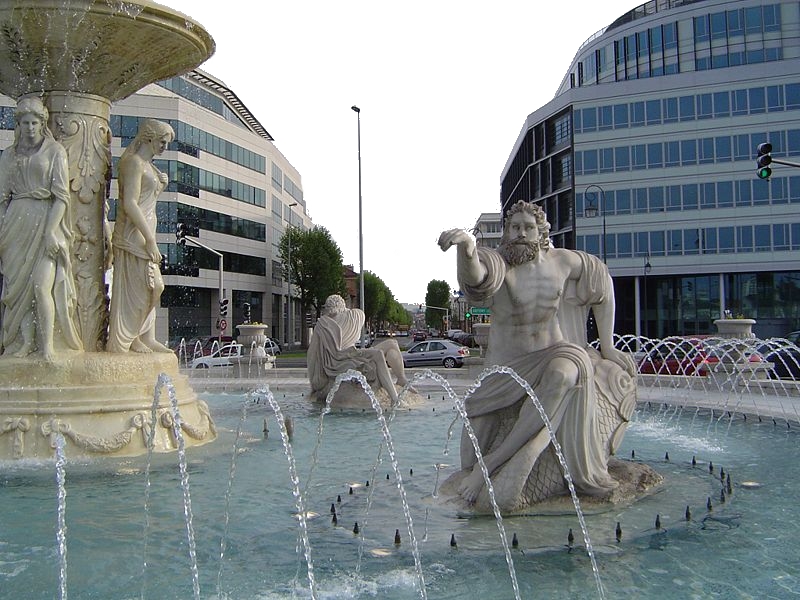


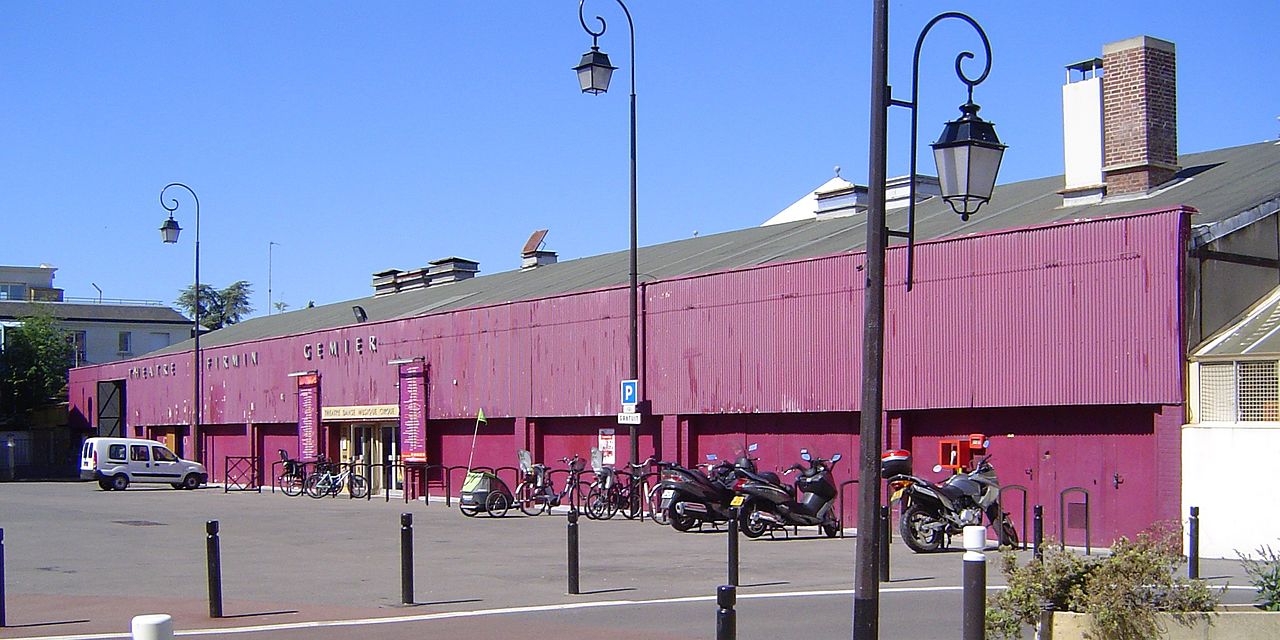


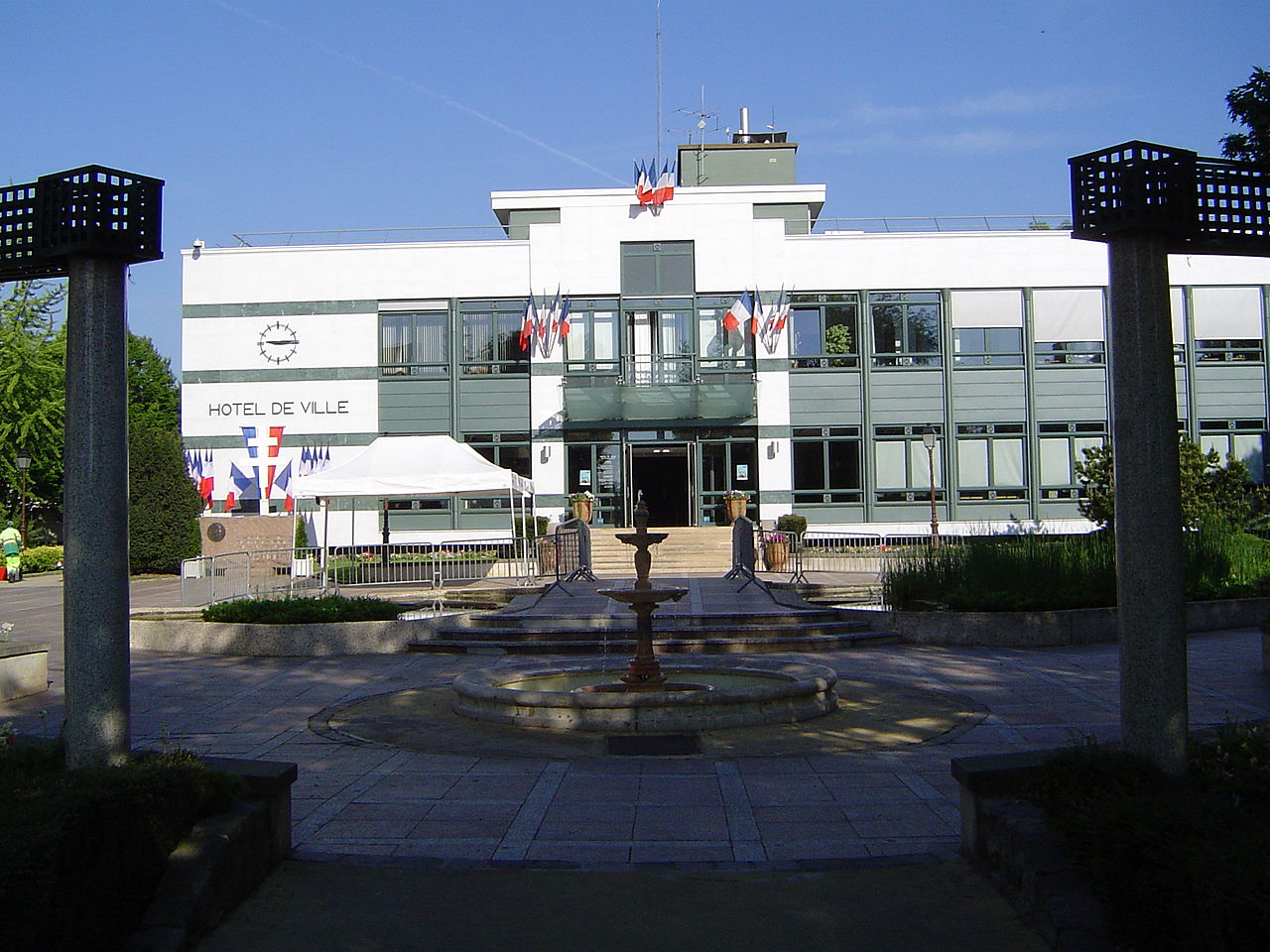
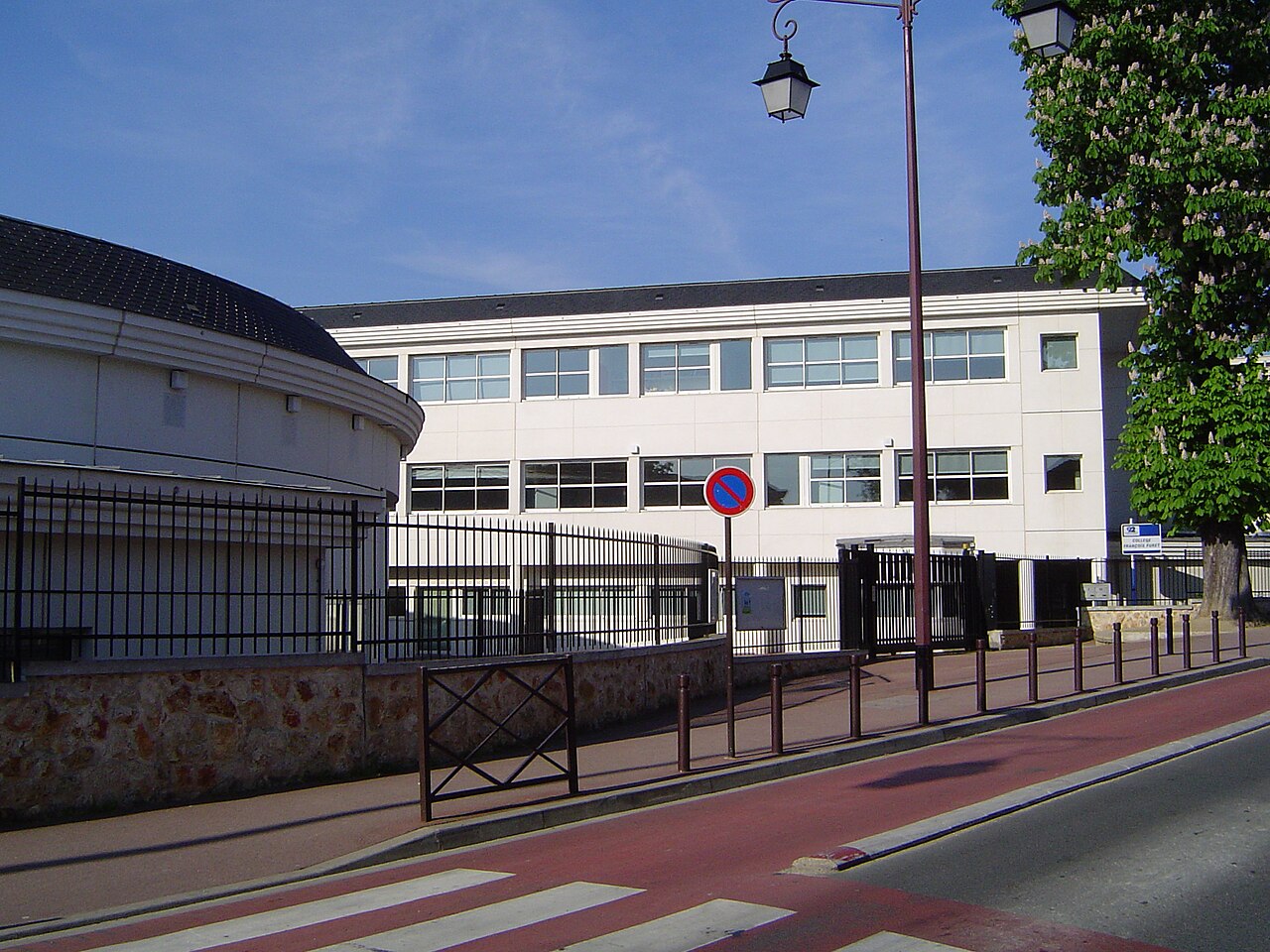
Geography and transport
Antony lies along the course of the Bièvre, a small tributary of the Seine that historically shaped local industry and settlement patterns. Its location at a long-established north–south axis has made it an important junction for road and rail movements for centuries. Today the town is connected to Paris by the RER B regional rail line, and it is a common transfer point for travelers using the automated Orlyval shuttle to Paris-Orly airport. Major suburban roads and nearby ring motorways provide additional road access to the Île-de-France network.
History and development
The place-name Antony probably traces back to a Latin personal name, reflecting origins in the Roman or early medieval period, and the area remained relatively rural for much of its history. The Bièvre valley supported small-scale industry such as mills and tanneries in earlier centuries. Urban expansion accelerated in the late 19th and early 20th centuries as rail and road links improved. Under local political leadership in the interwar period the population and built environment transformed from a village-like commune into a denser suburban town.
20th-century growth and population
Between the two world wars Antony experienced substantial growth, rising from a village-sized settlement to a sizeable suburban town. Mid-20th-century migration and postwar housing policies further expanded the population. In the early 1960s the town absorbed many repatriated families from Algeria, which contributed to a rapid increase in residents and the need for new housing and services. These demographic shifts shaped Antony's modern neighborhoods and municipal priorities.
Character, economy and amenities
Today Antony is largely a residential and service-oriented commune with a mix of single-family districts, denser housing, parks and local commerce. Public amenities include schools, cultural venues and preserved green spaces along the river valley. Local markets, municipal festivals and neighborhood associations contribute to community life. The town also functions as a transport node for commuters and travelers heading to central Paris or to Paris-Orly airport.
Administration and notable facts
- Antony is the subprefectural centre within its department and hosts several local administrative services.
- The Bièvre river course remains an ecological and historical feature of the townscape; restoration and urban projects have worked to integrate the stream into public spaces.
- Transport connections include the RER B line and the Orlyval link toward Orly airport, reinforcing Antony's role as a suburban interchange.
For further official and historical information see local municipal sources and regional planning documents: departmental resources, Bièvre valley studies and publications on suburban growth. Local recollections and municipal archives also document the arrival of families repatriated from Algeria in the 1960s, a key episode in the town's modern development. Additional context about the commune's administrative status and history can be found through regional guides and archival collections: commune overview, municipal records, capital-region resources, departmental portal, local services, arrondissement details, environmental studies, migration history.
Tags
Related articles
Author
AlegsaOnline.com Antony (Hauts-de-Seine) — southern suburb and subprefecture of Paris Leandro Alegsa
URL: https://en.alegsaonline.com/art/4784