
Interstate 93 (I-93)
Interstate 93 is a north–south Interstate Highway in New England running from Canton, Massachusetts to St. Johnsbury, Vermont, serving Boston, much of New Hampshire, and the White Mountains area.
Overview
Interstate 93 (I-93) is a primary north–south route in the New England region of the United States. It extends from its southern end near Canton, Massachusetts northward to its terminus near St. Johnsbury, Vermont. The highway covers roughly 190 miles and links a mix of dense metropolitan areas, suburban corridors, and mountainous rural stretches.
Image gallery
10 Images


Route and characteristics
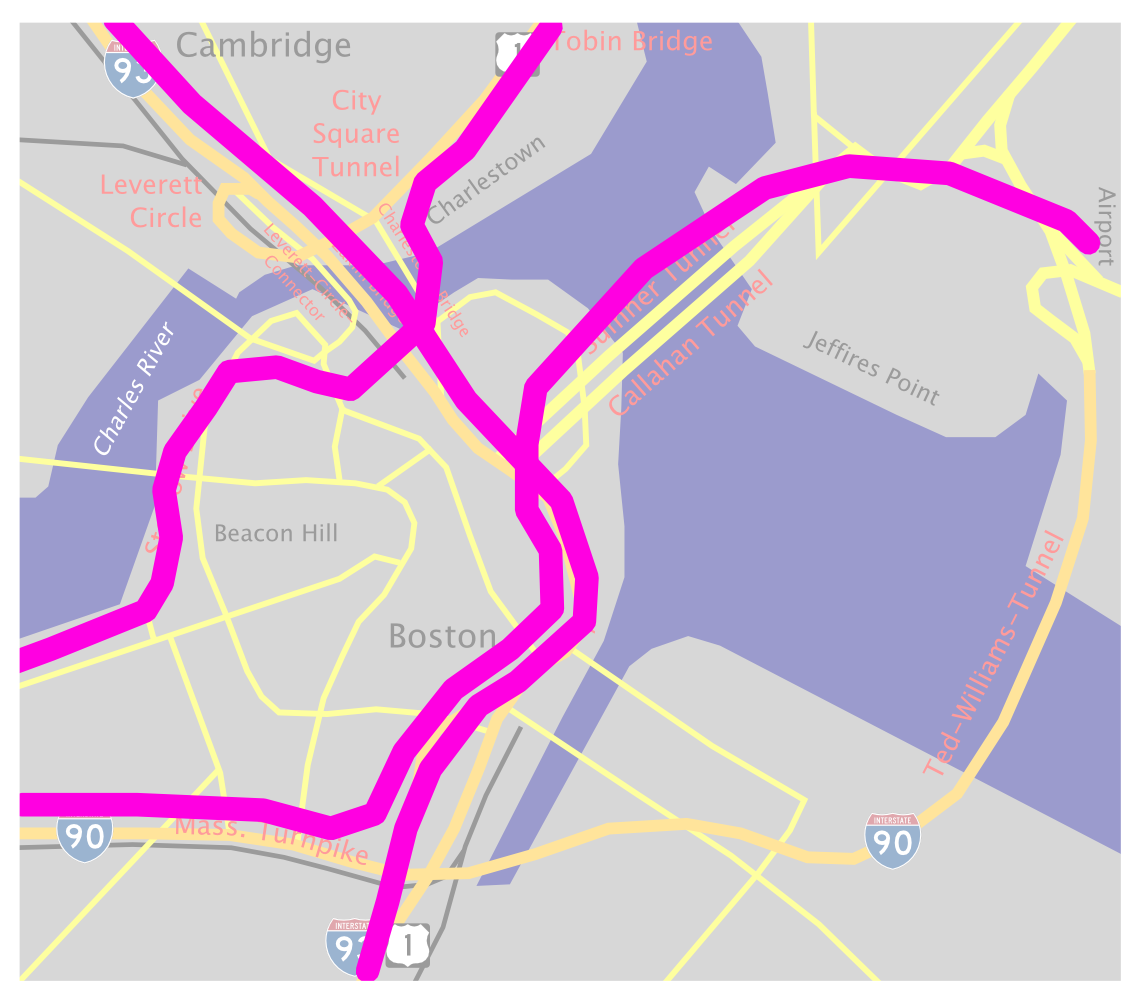
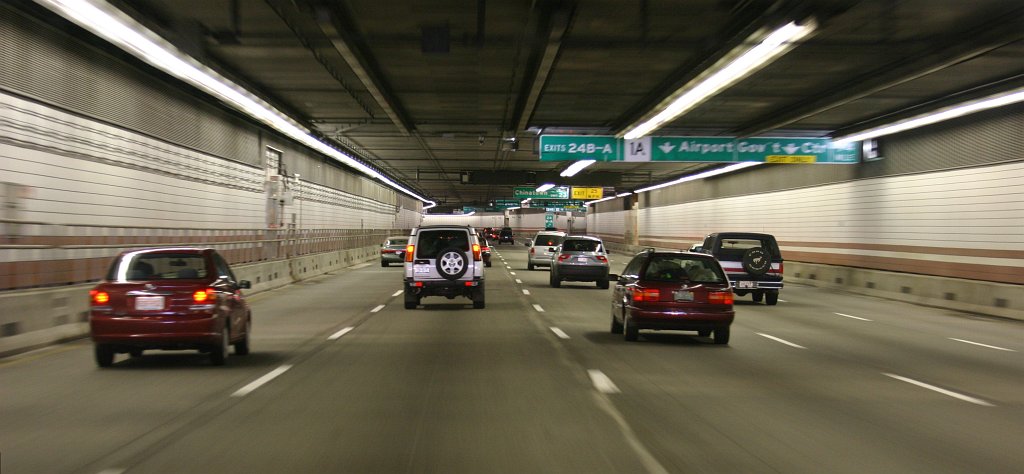
I-93 serves as the main interstate spine through eastern New Hampshire and is a principal approach to downtown Boston from the north. Its character varies along the way: in urban and suburban zones it is a multi-lane, limited-access expressway handling heavy commuter traffic; farther north it becomes a scenic highway with steeper grades, narrower shoulders and views of the White Mountains. Several sections include complex interchanges and collectors/distributors in metropolitan areas.
History and development
The road was developed as part of the Interstate Highway System in the mid‑20th century and was completed in stages. Major modernizations and reconfigurations occurred in urban areas during later decades, including substantial work in Boston that re‑routed and buried portions of the route as part of a large urban highway project. Other projects have widened, realigned, or reconstructed segments to improve safety and capacity.
Uses and importance
I-93 is both a daily commuter artery and a corridor for regional travel and commerce. It carries suburban commuters into the Boston metropolitan area, links New Hampshire cities and towns to markets and services, and provides access to resort and recreation areas in the White Mountains, drawing seasonal tourist traffic for hiking, skiing, and sightseeing. It also connects with other major highways that serve longer-distance freight and passenger movement.
Major cities and notable features
- Significant urban centers and towns along or near I-93 include Boston (and its northern suburbs), Manchester and Concord in New Hampshire, and communities in the Upper Valley and White Mountains region before reaching St. Johnsbury.
- Notable engineering and scenic segments include urban tunnel and elevated sections near Boston and a specially designed passage through a mountain notch that preserves environmental and scenic values.
- Interchanges with other principal highways provide connections to east–west routes and to coastal corridors.
Distinctions and practical notes
Travelers should expect significant variability in driving conditions along I-93: heavy congestion and frequent lane changes near metropolitan areas, and narrow, winding stretches with steep grades in mountainous regions. Seasonal weather, tourism peaks, and ongoing maintenance projects can affect travel times. As a backbone route for central New England, I-93 remains important for daily mobility, regional commerce, and recreational access.
Related articles
Author
AlegsaOnline.com Interstate 93 (I-93) Leandro Alegsa
URL: https://en.alegsaonline.com/art/47822
Sources
- fhwa.dot.gov : "FHWA Route Log and Finder List: Table 1"