
Interstate 26 (I-26) — Kingsport, Tennessee to Charleston, South Carolina
Interstate 26 (I-26) is a 349-mile Interstate Highway connecting Kingsport, TN, to Charleston, SC, crossing the Appalachian foothills and serving Asheville, Greenville–Spartanburg, and the Port of Charleston.
Overview
Interstate 26 (I-26) is part of the United States Interstate Highway network and serves as a diagonal corridor across the southeastern Appalachian region. It links inland communities to the Atlantic coast and combines rural mountain stretches with urban freeway segments. For general context on the national system see the Interstate Highway network.
Image gallery
4 Images


Route and characteristics
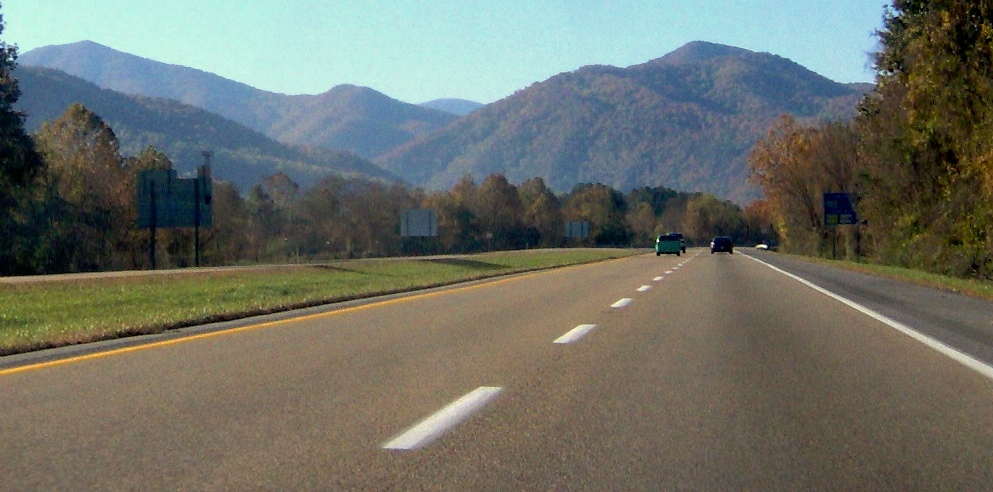
I-26 extends from Kingsport in northeast Tennessee to Charleston on the South Carolina coast, a distance commonly reported as about 349 miles (562 km). The route passes through three states — Tennessee, North Carolina and South Carolina — and negotiates a variety of landscapes: river valleys, sections of the Blue Ridge and other Appalachian foothills, and low-lying coastal approaches as it nears Charleston. The western terminus is near Kingsport, Tennessee, and the eastern terminus is at Charleston, South Carolina.
Major cities and junctions
- Serves or provides access to cities and regions such as Asheville, the Greenville–Spartanburg area, and the Tri-Cities vicinity in Tennessee.
- Interchanges with several principal interstates and U.S. routes that facilitate regional and long-distance travel.
History and development
Like many routes in the Interstate system, I-26 was constructed in segments over several decades during the mid-to-late 20th century. Its development prioritized improving access between mountain communities and coastal ports, and many sections were upgraded over time for safety, capacity and to accommodate heavy truck traffic.
Uses and significance
I-26 is an important freight corridor to the Port of Charleston and supports regional commerce, commuting and tourism. Motorists use it for access to national forests, recreation in the Appalachian highlands, and as a primary connection between inland manufacturing centers and coastal shipping facilities.
Notable features and considerations
The highway contains a mix of rural two- to three-lane profiles in mountainous areas and multi-lane urban freeways nearer cities. Drivers should be aware of steep grades, occasional truck restrictions or slow-climb lanes in mountain stretches, and variable weather that can affect winter travel in higher elevations. Planned and ongoing improvements focus on safety, congestion relief, and preserving reliable access between the interior and the coast.
Related articles
Author
AlegsaOnline.com Interstate 26 (I-26) — Kingsport, Tennessee to Charleston, South Carolina Leandro Alegsa
URL: https://en.alegsaonline.com/art/47765
Sources
- interstate-guide.com : "Interstate 26 @ Interstate-Guide.com"