
Interstate 22 (I-22)
Interstate 22 is an east–west limited‑access highway linking the Memphis and Birmingham regions along the U.S. 78 corridor, upgraded to improve regional travel, freight movement, and safety.
Overview
Interstate 22 (I-22) is a relatively recent addition to the United States Interstate network that provides a high‑speed, limited‑access connection between the Memphis metropolitan area and the Birmingham region. It follows much of the historic U.S. 78 corridor and forms part of the broader Interstate Highway System effort to upgrade important long‑distance routes. The route is commonly referred to by its number and the names of the major cities it serves, linking areas around Memphis to those around Birmingham.
Image gallery
4 Images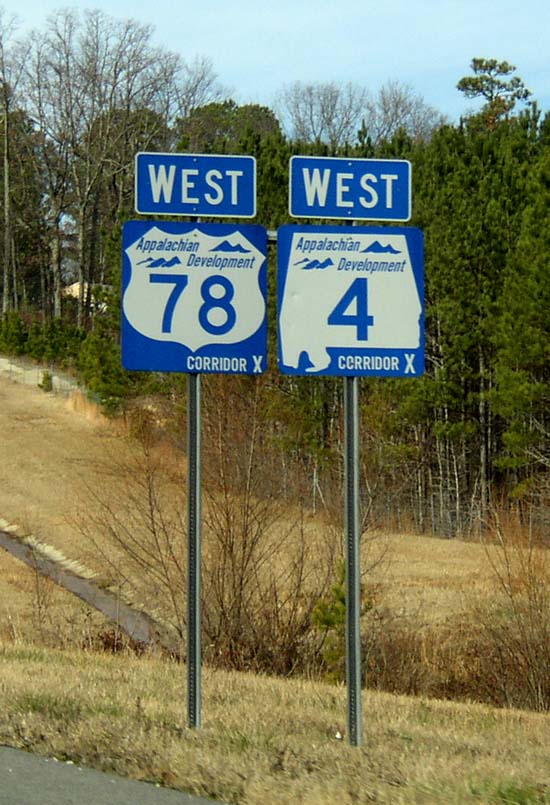


Route and characteristics
The highway runs roughly east–west and passes through northern sections of Mississippi and into Alabama. Built to Interstate standards, I-22 is a divided, multi‑lane freeway with grade separations, limited access points, and modern interchanges. In many stretches it parallels or replaces older alignments of U.S. Route 78, improving travel speeds and safety for both passenger vehicles and commercial trucks.
History and development
I-22 represents a mid‑to‑late 20th and early 21st century effort to modernize a busy regional corridor. The road was developed in segments, upgrading two‑lane and four‑lane sections of the older U.S. highway to full interstate standards. This staged construction reflected funding availability and the priority of creating a continuous high‑quality route between two important metropolitan areas.
Uses and significance
As a corridor it supports regional commerce by giving freight traffic a direct, faster path between river‑port and inland distribution centers. It also provides residents with improved access for commuting, intercity travel, and emergency routing. By reducing congestion on local roads and bypassing town centers, the interstate has had measurable effects on travel time and road safety along the corridor.
Notable facts and distinctions
Unlike many Interstates created during the original 1950s program, I-22 is a later addition that shows how the national network has continued to expand to meet modern economic and mobility needs. Its even number indicates an east–west orientation, and in parts the new designation exists alongside the older U.S. highway number until full transitions are complete. Travelers and planners often cite I-22 as an example of upgrading an existing corridor rather than building an entirely new cross‑country route.
Related articles
Author
AlegsaOnline.com Interstate 22 (I-22) Leandro Alegsa
URL: https://en.alegsaonline.com/art/47761
Sources
- interstate-guide.com : "Future Interstate 22 @ Interstate-Guide.com"