
Antonio Toledo Corro — Mexican politician and Governor of Sinaloa
Antonio Toledo Corro (1919–2018) was a Mexican PRI politician, mayor of Mazatlán, Secretary of Agrarian Reform and Governor of Sinaloa, notable for his long public service in the late 20th century.
Overview
Antonio Toledo Corro (1 April 1919 – 6 July 2018) was a Mexican politician associated with the Institutional Revolutionary Party (PRI). Over several decades he held municipal, state and federal posts, including mayor of Mazatlán, Secretary of Agrarian Reform and Governor of Sinaloa. His career spanned periods of one-party dominance in Mexican politics and the modernization efforts of the 1970s and 1980s.
Image gallery
1 Image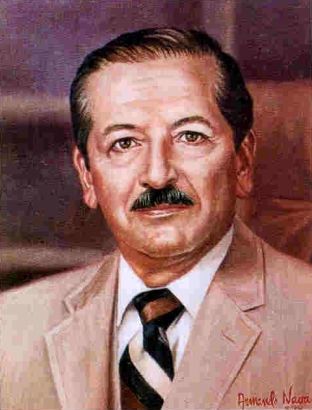
Early life and local office
Born in Escuinapa de Hidalgo in the state of Sinaloa, Toledo Corro began his political trajectory in local government. He served as mayor of the Pacific coastal city of Mazatlán from 1959 to 1962, a role in which municipal administration and regional development were central responsibilities. His experience at the municipal level provided a base for later appointments and higher office.
Federal role: Secretary of Agrarian Reform
At the federal level he was appointed Secretary of Agrarian Reform during the administration of President José López Portillo. He held that cabinet post from 1978 to 1980. The Secretariat of Agrarian Reform oversaw land policy and rural affairs at a time when land rights, ejido administration and rural development remained important elements of national policy.
Governor of Sinaloa
Toledo Corro was governor of Sinaloa from 1981 to 1986. As state governor he presided over public administration, infrastructure projects and economic initiatives within Sinaloa. His tenure is part of the broader history of PRI governance at the state level during the late 20th century, when state governments were closely linked to national party structures.
Later life and death
After leaving the governorship he remained a recognized figure in Sinaloa politics and public life. Antonio Toledo Corro died in Mazatlán on 6 July 2018 at the age of 99. Reports indicated the immediate cause was a cerebral infarction, with complications from pneumonia.
Legacy and notable facts
- He was a long-serving member of the PRI, the dominant political party in Mexico for much of the 20th century.
- His career illustrates a common pathway in Mexican politics: municipal leadership followed by federal appointment and state governorship.
- As Secretary of Agrarian Reform he participated in national discussions on land and rural policy, a recurring theme in modern Mexican governance.
For readers seeking primary documents or contemporary accounts of his administration, archival newspapers and official government communications from the periods 1959–1962, 1978–1980 and 1981–1986 offer the most direct sources of detail.
Related articles
Author
AlegsaOnline.com Antonio Toledo Corro — Mexican politician and Governor of Sinaloa Leandro Alegsa
URL: https://en.alegsaonline.com/art/4769
Sources
- vanguardia.com.mx : "Fallece el exgobernador de Sinaloa Antonio Toledo Corro"