
Insurgency: definition, characteristics, history and tactics
An insurgency is an organized armed challenge to established authority that blends military, political and social methods; this article explains its features, history, tactics and distinctions.
Overview
An insurgency is an organized armed challenge to an existing government or ruling power. In simplest terms it is an armed rebellion that combines violence with political objectives and seeks to undermine or replace the prevailing authority. Insurgencies vary widely in scale, motivations and methods: some aim at secession, others at regime change or policy concessions. They can operate in rural strongholds, dense urban settings, or across borders.
Image gallery
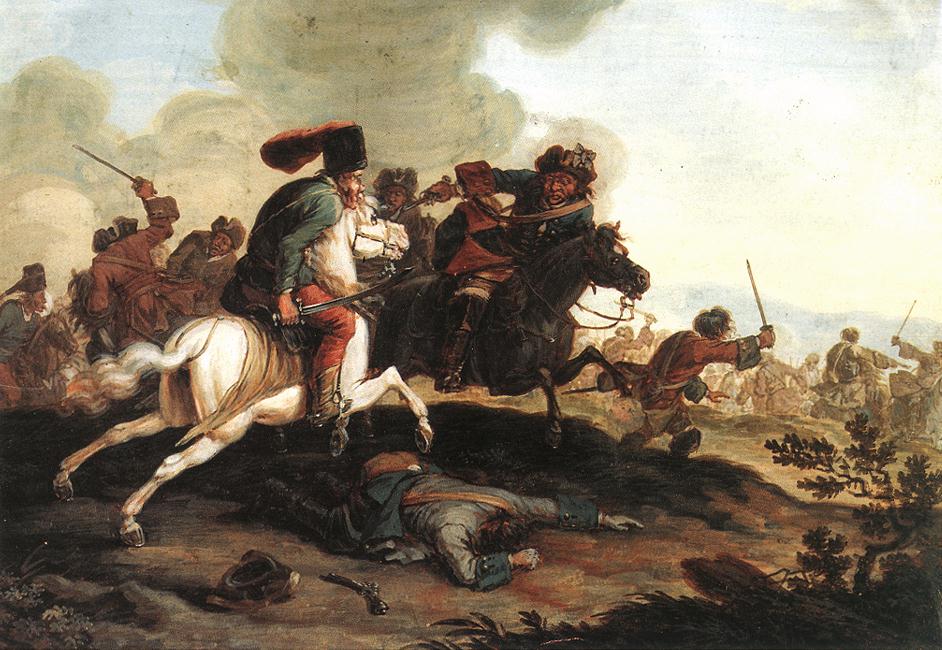
7 Images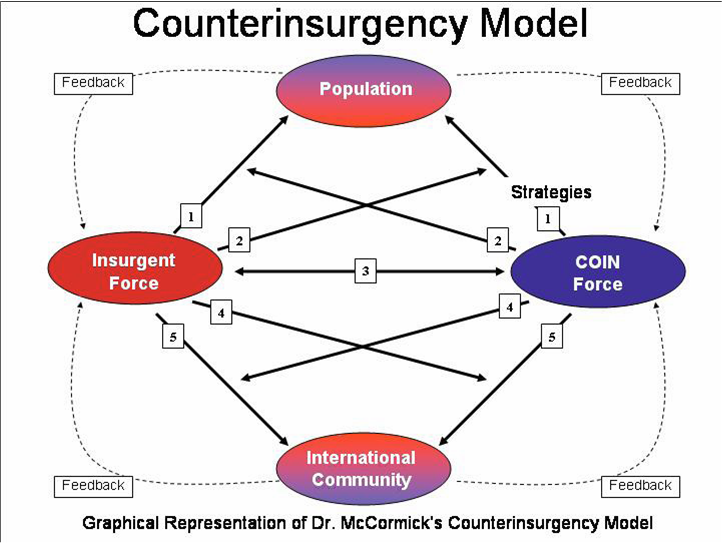


Key characteristics
Most insurgencies share several common features that distinguish them from conventional warfare:
- Asymmetric forces: insurgent groups are usually smaller and less well-equipped than state militaries.
- Political goals: violence is combined with propaganda and mobilization to win support or legitimacy.
- Civilian environment: insurgents often rely on sympathetic or coerced civilian communities for supplies and intelligence.
- Flexible organization: cells, networks and decentralised command improve survivability.
History and development
Armed challenges to rulers predate modern states, but the modern concept of insurgency emerged as organized movements developed strategies to contest state power without preparing for pitched battles. Throughout the 19th and 20th centuries, anti-colonial struggles, revolutionary movements and separatist campaigns adopted mixed political and military methods. The Cold War and later globalisation changed patterns of external support, communications and arms flows, shaping contemporary insurgencies.
Tactics and stages
Insurgent methods can include ambushes, sabotage, targeted attacks and the use of irregular warfare techniques such as guerrilla warfare. Successful campaigns typically blend armed action with political organizing, recruitment, taxation or resource extraction, and information operations. Analysts often describe phases—creation and foothold, expansion and consolidation, and attempts to seize or remake political power—though not every movement follows a single trajectory.
Responses and impact
States respond with a range of measures from military force to negotiations and social programs aimed at addressing grievances. Counterinsurgency doctrine emphasises protecting civilians, building institutions and denying insurgents political space. Insurgencies can have long-term social, economic and humanitarian consequences, including displacement, disrupted services and fractured communities.
Distinctions and notable facts
Insurgency is related to but distinct from terrorism, civil war and organized crime. Terrorism is a tactic that can be used within an insurgency but is not synonymous with it; civil war implies larger-scale sustained combat between organized state and non-state forces. Understanding local politics, history and grievances is critical to analyzing any insurgent movement.
For further general reading see background sources and comparative studies that examine causes, strategies and outcomes in different regions. Authors and analysts use varied frameworks to interpret how insurgencies begin, evolve and end.
Related articles
Author
AlegsaOnline.com Insurgency: definition, characteristics, history and tactics Leandro Alegsa
URL: https://en.alegsaonline.com/art/47527
Sources
- theguardian.com : "Insurgent by Veronica Roth"
- nytimes.com : "Best Sellers - The New York Times"
- worldcat.org : 0362-4331