
Nitra: Historic city in western Slovakia
Nitra is one of Slovakia's oldest cities, a regional cultural and economic centre at the foot of Zobor hill in the Nitra River valley, known for its castle, cathedral, universities and multi‑layered history.
Overview

Image gallery
10 Images


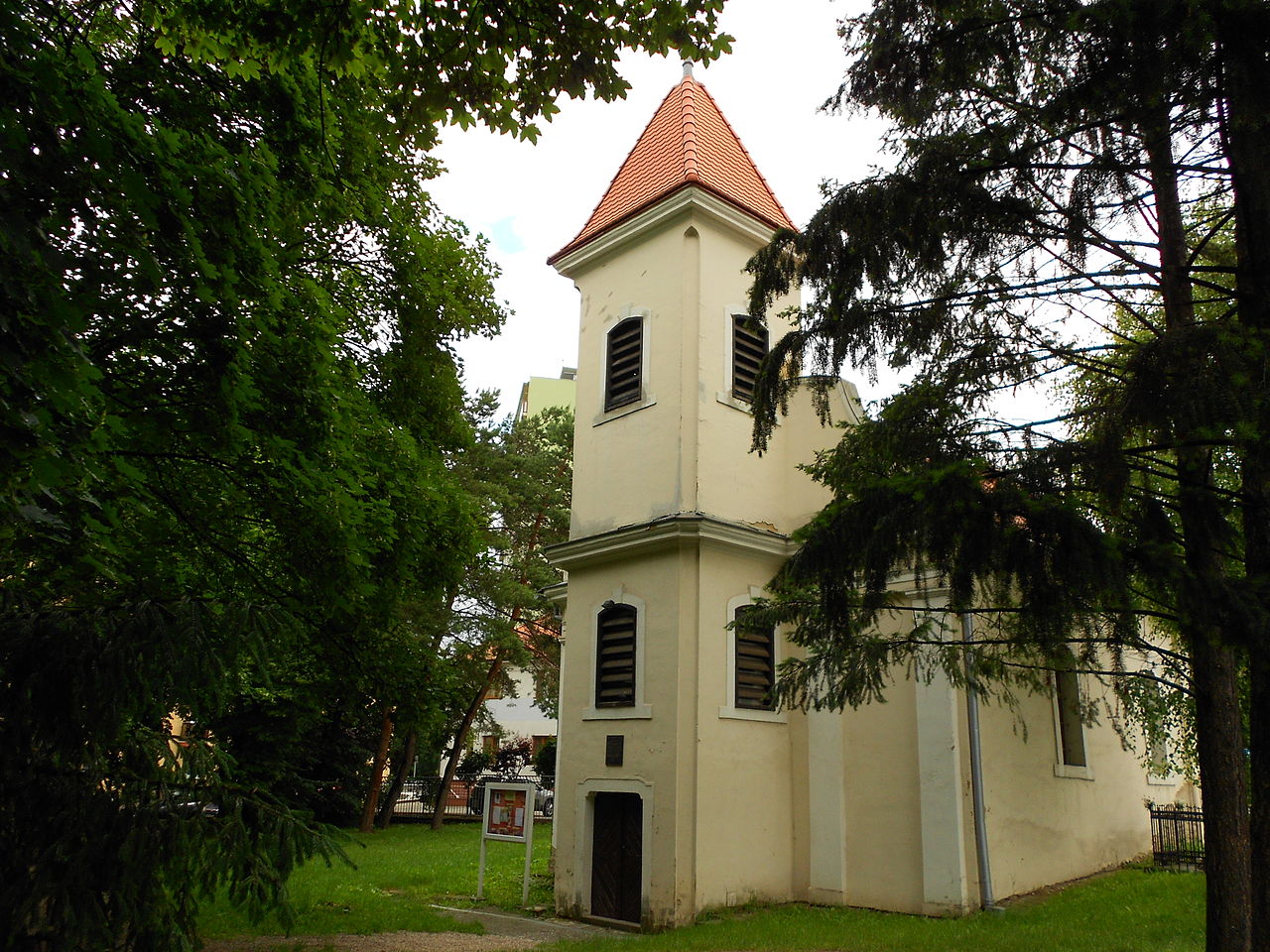


Geography and landmarks
Nitra stands on the banks of the Nitra River and is framed by low hills. Its most recognisable features are a hilltop castle complex and an episcopal cathedral that mark the historic centre. Public parks, university campuses and industrial zones spread outward from the old town into surrounding neighbourhoods. Key sights include:
- Nitra Castle and fortifications, overlooking the city
- The Cathedral and other historic churches associated with early Christian diocesan structures
- Zobor hill, offering natural trails and viewpoints
- Civic squares, museums and preserved medieval streets
History
Nitra is among the oldest urban settlements in the region. Archaeological evidence and medieval records place a permanent settlement here from the early medieval period. The city is often associated with the early Slavic polity known as the Principality of Nitra and later with broader state formations that emerged in Central Europe. Over centuries the town served as an ecclesiastical centre and a local administrative hub. Its name appears in several languages reflecting the region's diverse historical communities: Nyitra in Hungarian and Neutra in German. For a concise municipal summary see the town profile, and for older documentary references consult early sources.
Economy, education and culture
Nitra's economy mixes traditional agriculture and food processing with light manufacturing, services and education. The city hosts higher education institutions, which attract students and research activity and contribute to cultural life. Local cultural offerings include museums, theatres, festivals and markets that reflect both local tradition and contemporary urban culture.
Distinctions and modern role
Today Nitra functions as a regional centre that balances heritage tourism with everyday urban needs. Its long history, visible in monuments and place names, coexists with modern institutions such as universities and cultural venues. For further context on the city's place in the national framework see Slovakia's regional overview. Nitra remains a useful example of a Central European city where layered history and ongoing development are clearly visible.
Related articles
Author
AlegsaOnline.com Nitra: Historic city in western Slovakia Leandro Alegsa
URL: https://en.alegsaonline.com/art/70367
Sources
- slovak.statistics.sk : "Population and migration"