
Indian music: traditions, forms, and fundamental concepts
Survey of Indian music traditions, core concepts (raga, tala, drone, improvisation), typical structures and instruments, historical background, and modern roles in culture and performance.
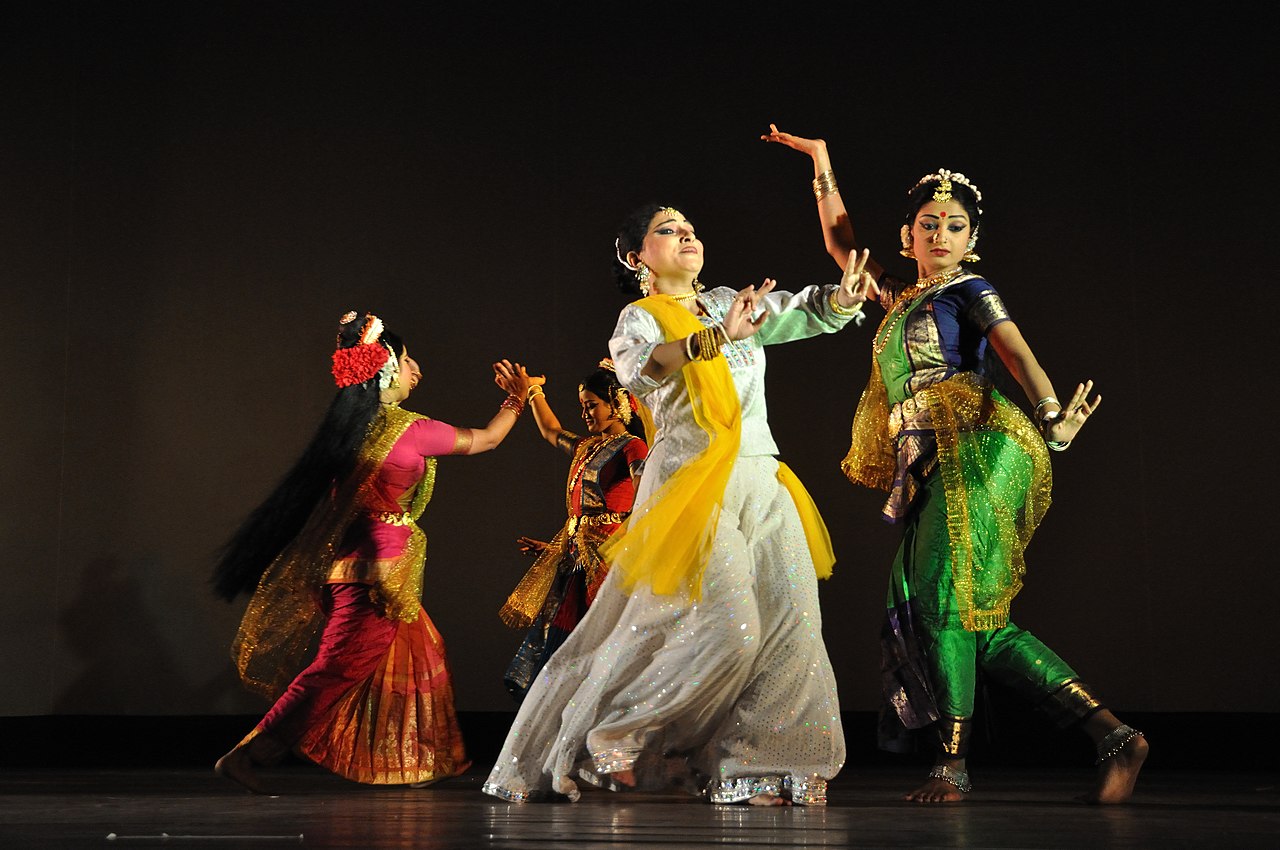
Indian music refers to a broad and diverse set of musical practices that have developed across the subcontinent over many centuries. The tradition is not a single style but a collection of regional systems, classical lineages and vibrant folk and popular forms. Two major classical streams — Hindustani music in the north and Carnatic music in the south — share several theoretical ideas while differing in repertoire, performance practice and historical influences. The term also embraces numerous folk styles, devotional singing, and contemporary popular music that draw on and transform classical elements. For background information about the country of origin, see India.
Image gallery
10 Images



Core musical concepts
Several musical concepts recur throughout Indian traditions and define how music is composed, taught and performed. These include:
- Raga — a melodic framework that prescribes a set of notes, typical melodic phrases and characteristic ornaments. Ragas are associated with moods, times of day, seasons or ceremonial contexts and guide improvisation rather than fixing a single melody.
- Tala — a cyclic pattern of beats that structures rhythm. Talas vary in length and subdivision; performers indicate the cycle's downbeat and use hand gestures or claps to mark its divisions.
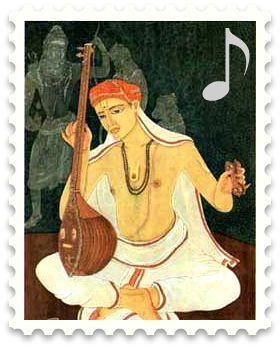
- Drone — a sustained pitch, usually the tonic, that provides a constant sonic reference. Traditionally produced by the tanpura, drones emphasize tuning and the raga’s tonic center.
- Improvisation — central to performance, improvisation is treated as real-time composition. Musicians unfold and vary a raga within the constraints of its rules, interacting with accompanists and rhythmic cycles.
Common performance structure
In many Hindustani recital formats a performance progresses from spacious, rhythm-free exploration to rhythmic and composed sections. Typical stages are:
- Alap — unmetered, slow introduction that presents the raga and its essential phrases.
- Jor — a bridge section that introduces pulse and greater motion while remaining without percussion.
- Jhala — a faster, rhythmically intense passage in which percussive articulation of strings or notes contrasts with melody.
- Gat/Bandish — a fixed composition set to a tala, accompanied by tabla and melodic support; here improvisation occurs within a composed framework.
Instruments and ensemble roles
Instrumentation varies by region and genre. Common classical instruments include plucked strings such as the sitar and tanpura, bowed strings like the sarangi and violin, wind instruments such as the shehnai, and a range of percussion led by the tabla and mridangam. In Carnatic music the violin and mridangam often play central accompanimental roles, while in Hindustani music the tabla and sarod or sitar are frequently prominent. Folk ensembles use locally specific instruments and vocal styles tailored to community ritual and celebration.
History, context and contemporary life
The musical systems now labeled Hindustani and Carnatic evolved over centuries through a mix of indigenous development and cross-cultural contact. Court patronage, religious institutions and itinerant teacher-disciple (guru-shishya) relationships have shaped training and repertory. In the modern era, recording technologies, radio, film and global exchange have spread and transformed Indian musical forms, enabling fusion, revivals of folk traditions and new popular genres while maintaining continuity with classical practice.
Uses, distinctions and notable facts
Indian music serves many social functions: devotional worship, court and ceremonial performance, entertainment, and personal study. Distinctions worth noting include the conceptual difference between raga-based improvisation and Western tonal harmony, the centrality of cyclical rhythm rather than bar-based meter, and the pedagogical emphasis on long apprenticeship. Listeners often appreciate both the intellectual rules that shape a performance and the expressive spontaneity produced within them.
For those new to Indian music, listening to live performances or well-documented recordings and reading guides from established teachers or institutions can clarify the interplay of raga, tala and improvisation that gives this musical tradition its distinctive character.
Related articles
Author
AlegsaOnline.com Indian music: traditions, forms, and fundamental concepts Leandro Alegsa
URL: https://en.alegsaonline.com/art/47111