
Industrial metal: origins, sound, and cultural impact
Industrial metal is a heavy music fusion that blends industrial electronic techniques with metal instrumentation. This article explains its sound, history, notable acts, and how it differs from related styles.
Industrial metal is a hybrid musical style that merges the aggressive guitar-based vocabulary of heavy metal with the electronic textures, sampling and repetitive machinery-like rhythms of industrial music. Bands working in this mode typically combine distorted, down-tuned guitar riffs and live drums with sequenced synthesizers, drum machines, noise samples and processed vocals to create a mechanized, often relentless sonic atmosphere.
Image gallery
3 Images
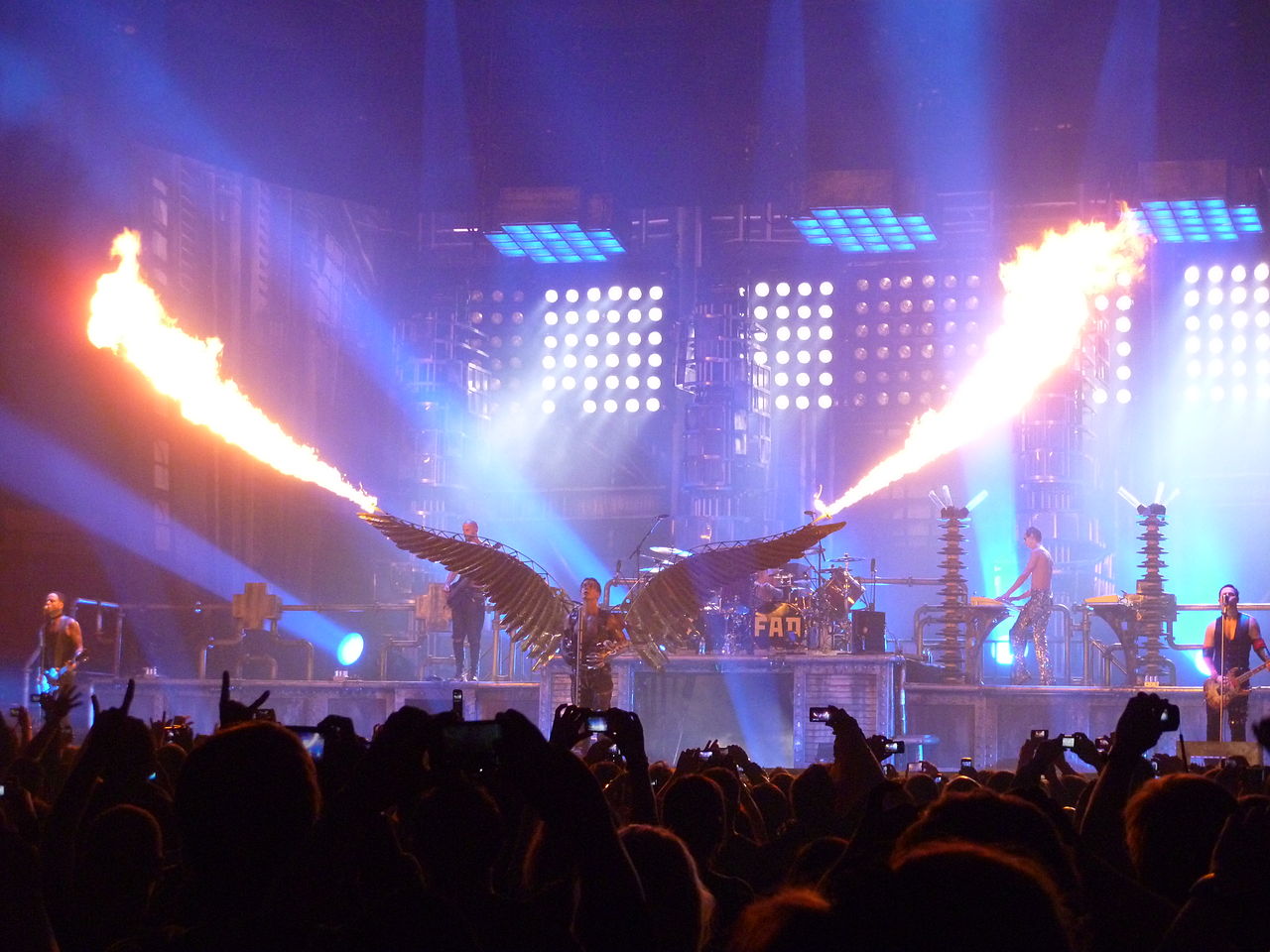
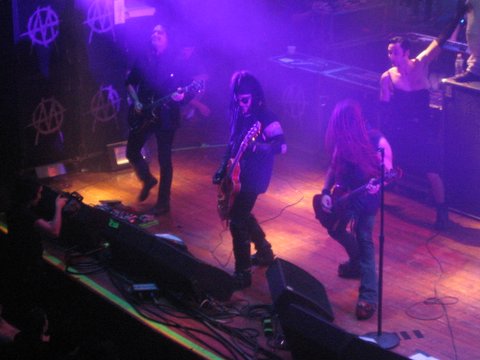
Characteristics and production
The genre is recognized for a few recurring features: chugging, palm-muted guitar patterns; prominent use of sequencers and synthesizers; rhythmic loops and samples drawn from industrial sources; and vocal treatments ranging from shouted or growled styles to heavily distorted or sung lines. Production often emphasizes tight, percussive sounds and a clinical or metallic sheen rather than the warm textures common in classic rock and metal. Common techniques include sampling, gated reverb, digital distortion, and layering of electronic and acoustic elements.
History and notable acts
Industrial metal developed from earlier industrial and post-punk experiments and from metal’s heavier substyles. Early influential practitioners integrated electronic methods with metal instrumentation and helped define the approach. Pioneering groups include Ministry, whose shift toward a heavier, guitar-driven sound was widely influential; KMFDM, noted for combining danceable beats with abrasive guitars; and Godflesh, which emphasized extreme downtuned heaviness and repetition. Other acts often associated with the style include Nine Inch Nails (bridging industrial and rock), Fear Factory (merging industrial textures with metal rhythms), and Rammstein, known for a theatrical, percussive take on the form.
Uses, reception and influence
Industrial metal has had impact beyond niche scenes: it contributed sounds to alternative radio and film soundtracks, influenced production approaches in metal and electronic music, and brought electronic elements into live metal performance. The genre’s emphasis on audiovisual presentation and striking music videos helped some bands reach mainstream attention. At the same time, artists from earlier industrial movements sometimes criticized commercialized or rock-leaning offshoots for diluting the experimental roots of industrial music.
Distinctions and notable facts
- Industrial metal is distinct from industrial rock in its heavier reliance on metal guitar techniques and usually greater emphasis on aggressive riffing.
- The style intersects with electronic body music (EBM), alternative metal and various extreme metal subgenres, producing a range from danceable to very abrasive sounds.
- Production choices—such as the mix between programmed and live drums—often define where an act sits on the spectrum between "industrial" and "metal".
- For more reading and band histories, see entries linked to genre overviews and individual band profiles at specialist sources.
Industrial metal remains a versatile and evolving approach: some artists emphasize the electronic, others the metallic, but the central idea persists—melding machine-like sonics with the power and aggression of metal to produce a distinctive, intense musical experience.
Questions and answers
Q: What is industrial metal?
A: Industrial metal is a heavy metal musical genre that combines elements of industrial music and different types of heavy metal.
Q: What are some of the musical elements used in industrial metal?
A: Industrial metal incorporates repeating metal guitar riffs, sampling, synthesizer or sequencer lines, and distorted vocals.
Q: Who are some of the founding industrial metal acts?
A: Ministry, Godflesh, and KMFDM are considered founding industrial metal acts.
Q: Has industrial metal been well received by all artists associated with the industrial scene?
A: No, industrial metal has received criticism from some artists associated with the industrial scene.
Q: In which regions of the world is industrial metal most well known?
A: Industrial metal is most well known in various European permutations.
Q: Have industrial metal groups produced successful music videos?
A: Yes, industrial metal groups have produced many acclaimed music videos.
Q: Does industrial metal draw only from industrial music, or are other types of music included as well?
A: Industrial metal draws from industrial music and many different types of heavy metal.
Related articles
Author
AlegsaOnline.com Industrial metal: origins, sound, and cultural impact Leandro Alegsa
URL: https://en.alegsaonline.com/art/47239
Sources
- allmusic.com : "Industrial Metal"
- allmusic.com : allmusic
- allmusic.com : "(Godflesh > Overview)"