
In Through the Out Door (Led Zeppelin album)
In Through the Out Door is Led Zeppelin's eighth studio album, released in August 1979. Notable for its keyboard-driven sound, varied styles, distinctive packaging, and being the band's last studio release before their breakup.
In Through the Out Door is the eighth studio album by the English rock band Led Zeppelin. Released in August 1979 through Atlantic Records, it arrived at a late stage in the group's career and displayed a shift in instrumental balance: keyboards and synthesizers are more prominent than on most earlier Zeppelin records. The album was produced by guitarist Jimmy Page and recorded away from the band's traditional London studios.
Image gallery
2 Images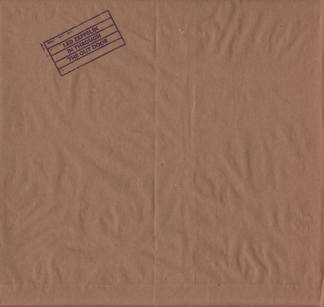

Recording and production
The sessions took place over a concentrated period in 1978–1979 at studios chosen for privacy and technical capability. With each member contributing, John Paul Jones expanded his role as an arranger and keyboard player, while Robert Plant, Jimmy Page and John Bonham continued in their familiar roles on vocals, guitar and drums. The overall production favored layered textures and studio techniques that highlighted keyboards and atmosphere as much as riff-based rock.
Music, tracks and themes
Musically the album mixes rock, pop, balladry and experimental textures rather than returning to the hard blues-rock of the group's 1960s and early 1970s recordings. It contains seven tracks that vary widely in mood and instrumentation. Notable songs include a synth-heavy opener, a samba-influenced mid-tempo single, and a personal ballad written as a tribute.
- "In the Evening"
- "South Bound Saurez"
- "Fool in the Rain"
- "Hot Dog"
- "Carouselambra"
- "All My Love"
- "I'm Gonna Crawl"
Tracks such as "Fool in the Rain" feature an unusual rhythmic break inspired by Latin percussion, while "Carouselambra" emphasizes synthesizers and extended arrangements. "All My Love" stands out as an emotional, keyboard-led ballad.
Release, reception and packaging
Upon release the album was commercially successful, reaching the top of the album charts in several countries, including the United States and the United Kingdom. Contemporary critics were divided: some praised the band's willingness to explore different textures, while others missed the heavier guitar focus of earlier records. The original packaging was distinctive, presented in a brown paper outer sleeve with a stamped motif and a variety of inner photographic inserts, a concept that made the physical album notable among collectors.
Legacy and context
In Through the Out Door is often seen as the group's last major studio statement before their career was cut short by the death of drummer John Bonham in 1980 and the eventual dissolution of the band. Its emphasis on keyboards and studio production has influenced how listeners reassess Led Zeppelin's late-period work: rather than a simple retreat from rock, the album documents a band adapting to new ideas and technologies while still drawing on their longstanding strengths. For further reading about the band and this record see resources on In Through the Out Door and archival material from the record label at Atlantic.
Related articles
Author
AlegsaOnline.com In Through the Out Door (Led Zeppelin album) Leandro Alegsa
URL: https://en.alegsaonline.com/art/46962