
Imtiaz Ali Taj
Urdu dramatist (1900–1970) best known for the play Anarkali (1922), whose theatrical treatment of a Mughal-era romance inspired numerous South Asian film and stage adaptations.
Overview
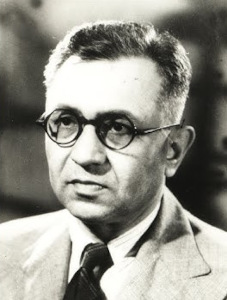
Imtiaz Ali Taj (1900–1970) was a prominent dramatist writing in Urdu. He became widely known for his stage play Anarkali, first published and performed in the early 1920s, which dramatizes a legendary romance set in the Mughal court. Taj's work sits within a broader tradition of Urdu theatre that blended poetic language with historical subject matter to explore personal and political tensions.
Image gallery
2 Images
Life and career
Taj was active through the first half of the twentieth century when theatre, print culture and later cinema were expanding across South Asia. He wrote plays intended for public performance and helped popularize historical drama in the Urdu-speaking world. His career coincided with a period of cultural exchange in which stage drama, period storytelling and popular press reinforced one another.
The play Anarkali
Anarkali is Taj's best-known work. The play depicts the alleged love affair between a courtesan called Anarkali and Prince Salim, and the resulting conflict with imperial authority. While the historical accuracy of the underlying legend remains debated, Taj’s dramatization emphasizes themes of forbidden love, honor, and the human cost of royal power. Readers interested in the background of the central figure will find further context under the traditional accounts of Anarkali.
Adaptations and cultural influence
Taj's Anarkali has had a long afterlife beyond the stage. It was adapted repeatedly for film and continued theatre productions across India and Pakistan, feeding into a popular visual vocabulary about Mughal court life and tragic romance. Notably, the legend and Taj’s dramatization influenced major South Asian cinematic treatments of the same story, which reached very wide audiences and helped fix Anarkali as a cultural motif.
Style, themes and legacy
Taj’s dramatic style is marked by lyrical dialogue and an interest in historical settings that illuminate contemporary questions about duty, love and authority. His work contributed to the consolidation of Urdu theatre conventions and to the transmission of historical narratives into modern popular culture. Scholars and theatre practitioners continue to cite Anarkali as an example of early twentieth-century Urdu stagecraft and its complex relationship to folklore and history.
Notable points
- Anarkali (1922) is his signature work and the primary reason for his lasting fame.
- His writing helped bridge stage drama and emerging film adaptations in South Asia.
- Taj remains a reference point for discussions of Urdu historical drama and romantic tragedy.
Related articles
Author
AlegsaOnline.com Imtiaz Ali Taj Leandro Alegsa
URL: https://en.alegsaonline.com/art/46928