
Indra Bahadur Rai — Nepali writer and literary critic
Indra Bahadur Rai (1927–2018) was a leading Nepali-language novelist, short‑story writer and critic from Darjeeling whose modernist work shaped Nepali literature across India and Nepal.
Overview
Indra Bahadur Rai (3 February 1927 – 6 March 2018) was a prominent writer and critic who wrote primarily in the Nepali language. Born and based in the hill town of Darjeeling, India, Rai produced fiction, criticism and essays over a literary career that spanned more than six decades. He is widely regarded as one of the architects of modern Nepali literature and played a central role in introducing experimental and introspective approaches to narrative and literary criticism.
Image gallery
2 Images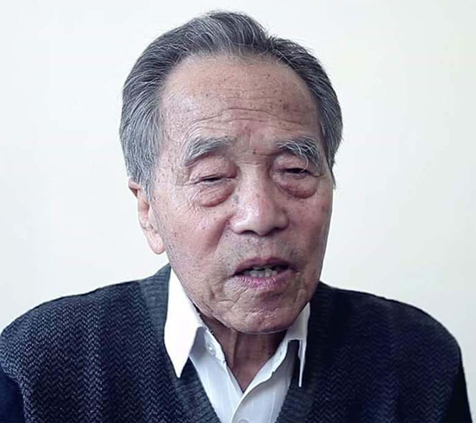

Life and career
Rai began publishing in the late 1950s. His first short story appeared in 1959, and his early reputation was built on short fiction: his collection Vipana Katipaya, which gathered thirty stories, appeared in 1960. His first novel, Aaja Ramita Cha, was published in 1964. Over subsequent decades he produced novels, story collections and critical essays, and he remained an active voice in literary debates and publishing in the Nepali-speaking communities of India and beyond.
Themes and style
Rai's writing is known for psychological depth, formal experimentation and attention to the inner lives of characters. He frequently explored loneliness, memory and the search for identity, using modernist narrative devices such as fragmented chronology, interior monologue and subtle symbolism. As a critic he combined close textual reading with reflections on literary history, helping to frame new conversations about the form and purpose of Nepali fiction.
Major works and recognitions
- Vipana Katipaya (short story collection, 1960) — early and widely read collection.
- Aaja Ramita Cha (novel, 1964) — one of his first major long works.
- Nepali Upanyaska Adharharu — a critical study that received national recognition.
Rai's contributions were acknowledged through several awards, including the Sahitya Akademi Award for his critical work and regional honours such as the Jagadambashri Puraskar and the Agam Singh Giri Smriti Puraskar. For fuller lists of his honours and writings see more on Rai's awards and bibliography.
Legacy and significance
Indra Bahadur Rai is remembered as a leading figure in the post‑war renewal of Nepali letters. His combination of fiction and criticism helped set standards for literary quality and encouraged younger writers to experiment with form and interiority. Because he wrote from Darjeeling, his work also exemplifies the transnational character of Nepali-language literature: it speaks to readers across Nepal, India and the Nepali diaspora.
Selected facts
- Born: 3 February 1927; Died: 6 March 2018.
- Active as a writer and critic for more than sixty years.
- Worked across genres: novels, short stories, essays and criticism.
Rai's writing remains in print and is studied by readers and scholars interested in South Asian modernisms and the development of Nepali-language fiction. His influence continues in contemporary Nepali letters, where questions of form, subjectivity and social change remain central.
Related articles
Author
AlegsaOnline.com Indra Bahadur Rai — Nepali writer and literary critic Leandro Alegsa
URL: https://en.alegsaonline.com/art/47210
Sources
- thehimalayanbeacon.com : "Indra Bahadur Rai"
- thehimalayanbeacon.com : "Nepali Literary Criticism in Sikkim"