
Idaho Falls
Idaho Falls is the largest city in Bonneville County, Idaho; a regional center on the Snake River known for its riverwalk, cultural institutions, commerce, and access to outdoor recreation.
Overview
Idaho Falls is the principal city of Bonneville County and serves as the county seat in eastern Idaho, United States. Situated on the Snake River, it functions as a regional hub for commerce, health care, education and services that support rural southeast Idaho. Many residents and institutions reflect the long presence of members of the Church of Jesus Christ of Latter-day Saints in the region, and the Idaho Falls Temple is a notable local landmark (Idaho Falls Temple).
Image gallery
10 Images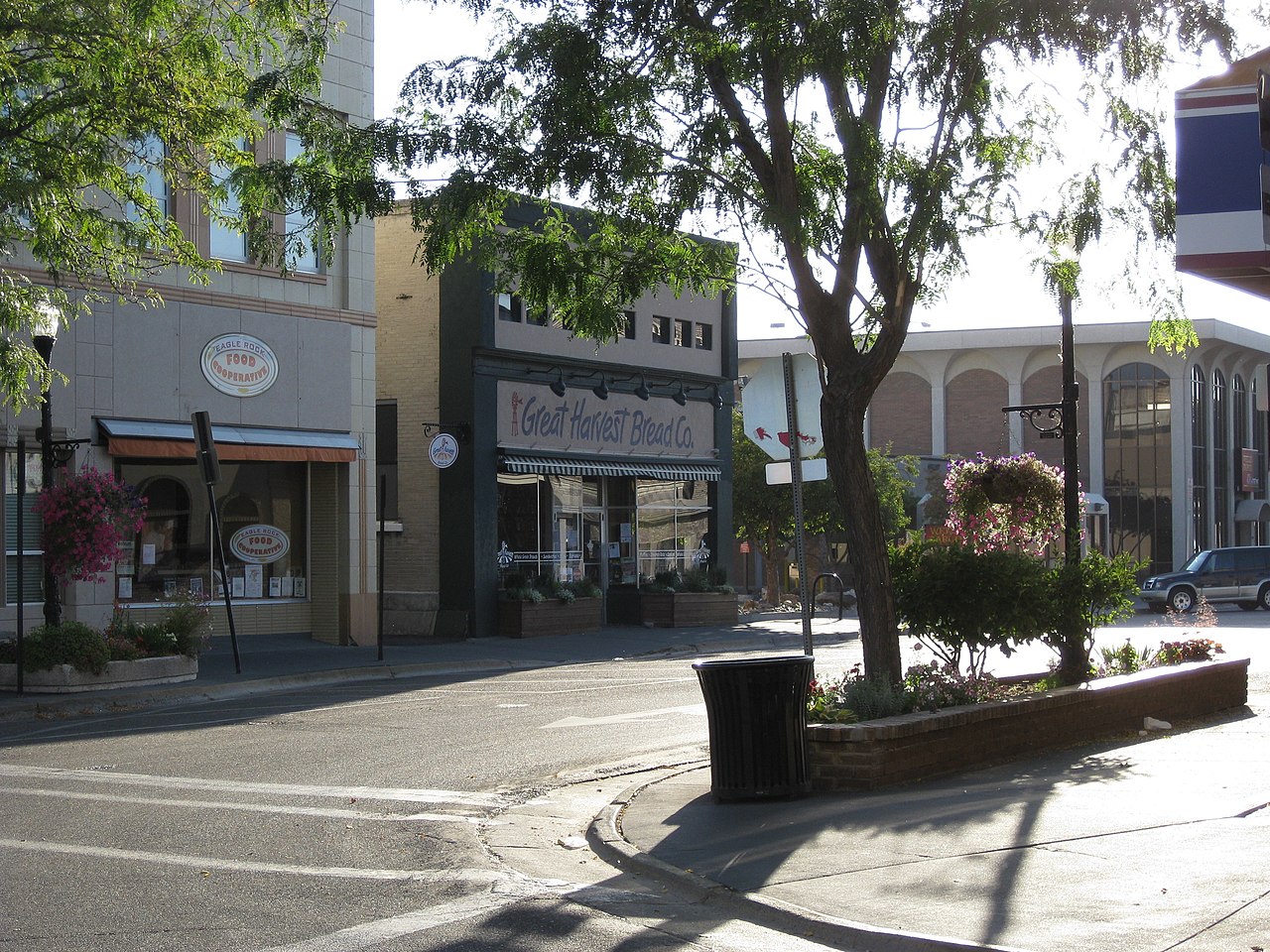


Geography and notable sites
The Snake River flows through the center of the city and is emphasized by a developed riverfront with parks, walking paths and landscaped gardens that highlight the restored falls which gave the community its name. Downtown features museums, performing-arts venues and historic commercial buildings. Public spaces along the river host community events, markets and seasonal festivals that attract residents and visitors.
History
Settlement and growth in the area were driven by irrigation projects, agriculture and railroad connections in the late 19th and early 20th centuries. As farming and ranching developed in the surrounding valleys, Idaho Falls grew as a service center. Over time the city expanded with both preserved historic blocks and newer residential and commercial development. It is the administrative center of Bonneville County and formally serves as the county seat (county government).
Economy and regional role
Idaho Falls supports a diversified local economy. Agriculture and food processing remain important in surrounding areas, while health care, retail trade, education and public services are major local employers. The city also has ties to nearby scientific and energy research facilities and functions as a gateway for travelers heading to national parks, forests and other outdoor destinations.
Demographics and culture
The population includes a substantial community of members of the Church of Jesus Christ of Latter-day Saints and a variety of other faiths and civic organizations. Cultural life is supported by museums, art galleries, theater groups and seasonal events. Local institutions present exhibitions and programming that reflect regional history, Western heritage and contemporary community interests.
Education and research
Idaho Falls hosts primary and secondary schools serving the city and surrounding towns, and it provides access to higher-education outreach programs and technical training that support regional workforce needs. Scientific and research activity in the broader region contributes to employment and educational partnerships.
Transportation and access
The city is connected by regional highways and local transit services, and it serves as a staging point for visitors traveling to nearby national parks and wilderness areas. Commercial services and lodging in Idaho Falls accommodate tourists as well as business and government travelers.
Recreation and nearby attractions
Outdoor recreation opportunities are extensive, including riverfront parks, fishing and boating on the Snake River, nearby mountains for hiking and winter sports, and easy travel to major public lands. Visitor information and resources are available through county and state sources for those planning trips from the city to surrounding natural attractions (Idaho, national resources).
Quick facts
- Located on the Snake River with an accessible downtown riverwalk.
- Largest city and administrative center of Bonneville County.
- Regional center for commerce, health care and education.
- Home to the historic LDS Idaho Falls Temple (see temple).
Related articles
Author
AlegsaOnline.com Idaho Falls Leandro Alegsa
URL: https://en.alegsaonline.com/art/46511