
Ibaraki Prefecture (Japan)
Ibaraki Prefecture is in the northern Kantō region of Japan. Its capital is Mito. Known for agriculture, coastal landscapes, Tsukuba science and parks such as Hitachi Seaside Park and Mito Kairakuen.

Ibaraki is a coastal prefecture located in the northeastern part of the Kantō region of Japan. The administrative center and historic capital is Mito, a city noted for traditional gardens and cultural institutions. Ibaraki forms a transition from the densely built Tokyo metropolitan area to more open agricultural and industrial landscapes along the Pacific coast.
Image gallery
10 Images


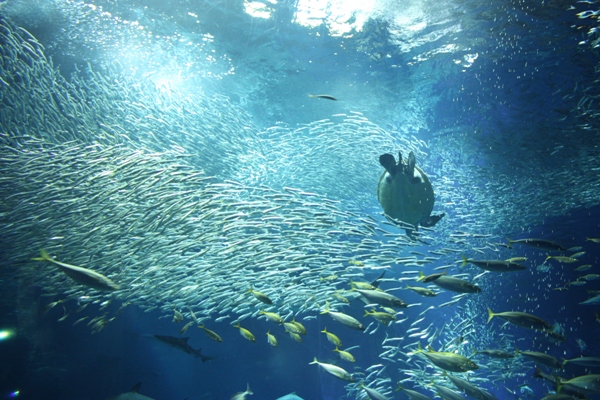


Geography and natural features
Ibaraki has a varied geography: low-lying plains, a long Pacific coastline, important rivers and several inland lakes. The Tone River and Lake Kasumigaura are major water features that have shaped farming, fishing and transport. Coastal areas include sandy beaches and bays used for fisheries and ports, while inland zones are a patchwork of fields, forests and small urban centers.
History and development
The area corresponds largely to the old Hitachi Province and has long-standing cultural sites and shrines. During the Meiji period the modern prefectural system was established and Ibaraki developed as a mix of agriculture, light industry and maritime activity. In the mid-20th century the creation of research and academic facilities around Tsukuba transformed part of the prefecture into a major scientific and technology hub.
Economy, research and culture
Ibaraki's economy combines intensive agriculture, manufacturing and research. The prefecture is known for crops such as lotus root, melons and other vegetables; regional cuisine includes distinctive preparations like natto. Industrial towns along the coast host factories and heavy industry, while Tsukuba Science City and university laboratories attract researchers and technology companies. This mix gives Ibaraki both rural character and advanced scientific presence.
Attractions and notable facts
- Mito Kairakuen — one of Japan's renowned traditional gardens, celebrated for plum blossoms.
- Hitachi Seaside Park — famous for seasonal flower displays, especially blue nemophila in spring.
- Tsukuba — a planned science city with research institutes and universities.
- Local festivals, coastal seafood and historical shrines such as Kashima contribute to cultural tourism.
Well connected by rail and road to the greater Tokyo area, Ibaraki serves as both a productive agricultural hinterland and an industrial-research complement to the capital region. Its combination of natural scenery, cultural sites and scientific institutions makes it a distinctive part of the Kantō landscape.
Related articles
Author
AlegsaOnline.com Ibaraki Prefecture (Japan) Leandro Alegsa
URL: https://en.alegsaonline.com/art/46360
Sources
- books.google.com : "Ibaraki-ken"
- books.google.com : "Kantō" at p. 479
- books.google.com : "Mito" at p. 642
- books.google.com : "Provinces and prefectures" at p. 780
- env.go.jp : "General overview of area figures for Natural Parks by prefecture"
- eos.kokugakuin.ac.jp : "Nationwide List of Ichinomiya," p. 1