
Mito — Capital City of Ibaraki Prefecture, Japan
Mito is the capital of Ibaraki Prefecture, noted for Kairakuen garden, its role as the center of the Mito Domain and Mito School, local natto cuisine, cultural institutions, and a 2001 special-city designation.
Overview
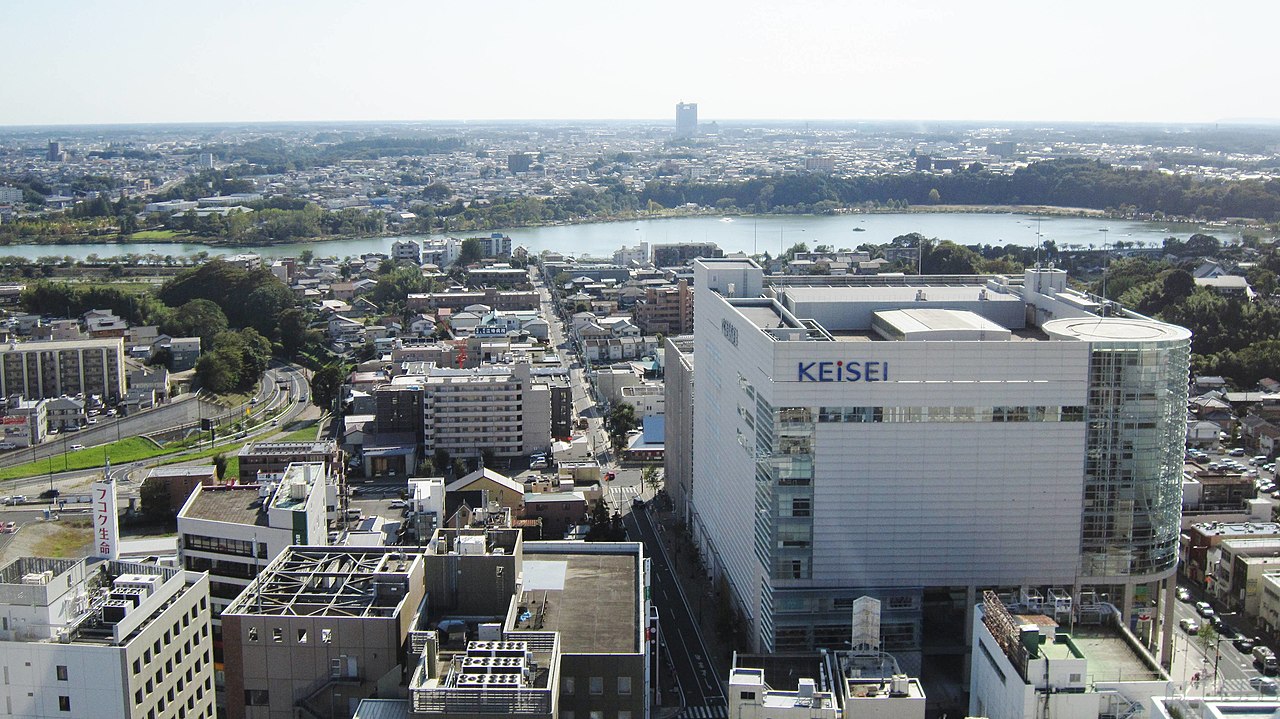
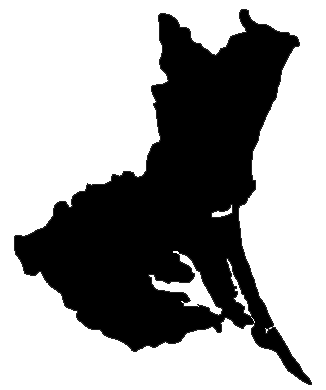
Mito is the prefectural capital of Ibaraki Prefecture in the Kantō region of Japan. It serves as the administrative and cultural center of the prefecture and is widely recognized for its historic associations and seasonal attractions. The city was formally designated a special city in 2001, a municipal classification in Japan that reflected its role as a regional hub.
Image gallery
10 Images





Geography and administration
Situated inland but within reach of the Pacific coast, Mito lies along the Naka River and occupies a strategic position in east-central Ibaraki. The city functions as a local government seat, hosting prefectural offices, cultural institutions and public services. The climate is temperate with distinct seasons, which shapes its popular spring and autumn events.
History and significance
Mito developed as the castle town and political center of the historic Mito Domain, one of the branches of the Tokugawa family during the Edo period. The city became an intellectual center through the Mito School (Mito-gaku), a school of thought that influenced late-Edo political and historical scholarship. Figures connected with Mito played notable roles in the cultural currents that preceded the Meiji period.
Culture, attractions and cuisine
Mito is best known for Kairakuen, one of Japan's celebrated landscaped gardens, especially popular for its plum (ume) blossoms in early spring. The city also hosts modern cultural facilities such as Art Tower Mito, museums that interpret local history, and seasonal festivals that draw regional visitors. Mito is closely associated with natto, a traditional fermented-soybean dish, which is an important part of local food culture.
Transport, education and economy
The city functions as a transport node with rail and road links to the greater Tokyo area and other parts of the region, supporting commuting and commerce. Local economic activity combines public administration, education, light manufacturing and agriculture. Institutions of higher learning and research contribute to the city's cultural resources and workforce development.
Notable facts and distinctions
- Home to historic sites and gardens that emphasize seasonal flowering, notably plum blossoms.
- Historically central to the Mito Domain and the intellectual Mito School.
- Designated a special city in 2001, highlighting its administrative importance.
- Renowned regionally for natto and a range of cultural events that blend tradition and contemporary arts.
For further details on the prefecture and municipal classification, see the relevant prefectural and municipal sources via the links above.
Related articles
Author
AlegsaOnline.com Mito — Capital City of Ibaraki Prefecture, Japan Leandro Alegsa
URL: https://en.alegsaonline.com/art/65552
Sources
- books.google.com : "Mito"
- hindawi.com : "Japan's Evolving Nested Municipal Hierarchy: The Race for Local Power in the 2000s,"
- hindawi.com : Table 3
- books.google.com : "Ibaraki-ken" at p. 367