
Ica Region: geography, culture, economy and notable sites
Coastal region of southern Peru centered on the city of Ica; known for desert landscapes, vineyards and pisco, Paracas and Nazca archaeology, and tourism around Huacachina and Ballestas Islands.

Overview
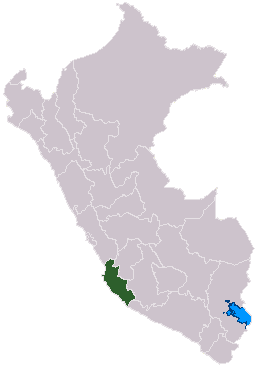
The Ica Region is a coastal administrative region in southern Peru whose capital is the city of Ica. It occupies a strip of arid coastal plain bounded by the Pacific Ocean to the west and the Andean foothills to the east. The region combines dry desert scenery with irrigated agricultural valleys and important archaeological sites that testify to long pre-Columbian occupation.
Image gallery
7 Images



Geography and environment
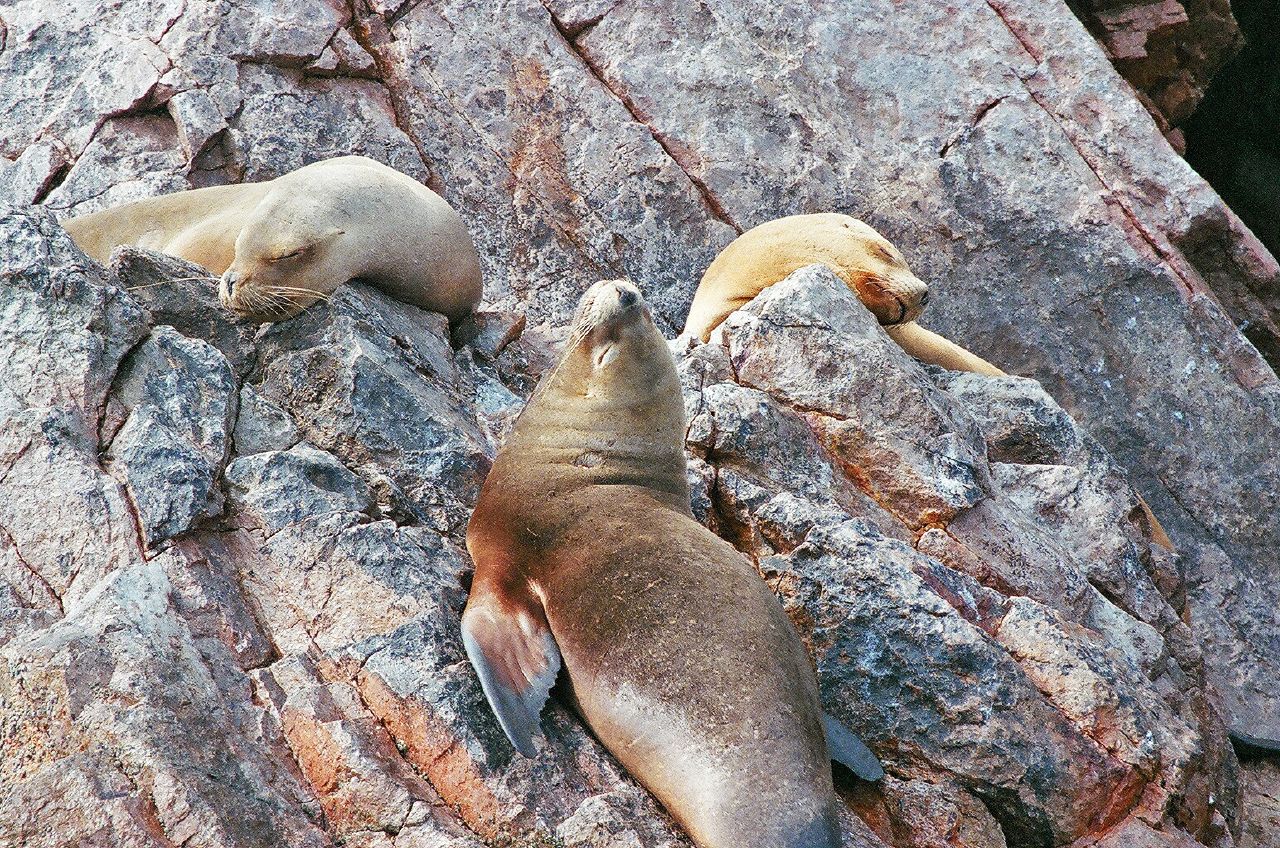
Ica's landscape is dominated by coastal desert interrupted by river valleys that permit intensive agriculture through irrigation. The climate is generally warm and dry, with fog and light drizzle along the coast at certain times of year. Offshore, marine reserves and islands support seabird and marine mammal colonies. The region includes limited elevation gain toward the eastern border where foothills begin.
Administrative divisions and settlements
Ica is divided into several provinces and districts centered on a handful of urban centers. The region's capital, Ica city, functions as the primary commercial and administrative hub. Other important towns provide connections to fishing ports, vineyards, and archaeological sites.

History and archaeology
The coastal valleys of Ica preserve evidence of some of Peru's oldest complex societies. Archaeological cultures such as Paracas and Nazca left elaborate textiles, ceramics and the famous geoglyphs on the Nazca plain. Later, these territories were incorporated into the Inca realm before the arrival of the Spanish, who established colonial towns and introduced new crops and livestock.
Economy, culture and tourism
Agriculture — notably grape cultivation for wine and pisco production — is a mainstay of the regional economy, made possible by irrigation of desert soils. Fishing, salt extraction and tourism are also important. Visitors are drawn to attractions such as the Paracas reserve and Ballestas Islands, the Nazca Lines and the oasis of Huacachina. Local festivals, cuisine and artisanal work reflect the blending of indigenous and Spanish influences.
Notable facts and distinctions
- Ica is closely associated with pisco, a distilled grape spirit that is a national emblem and a subject of regional pride.
- The Nazca Lines, visible from the air and interpreted as ritual landscape, are among Peru's best-known archaeological mysteries.
- The region is seismically active; major earthquakes have affected coastal towns and contributed to ongoing rebuilding and resilience planning.
Ica's combination of desert scenery, productive irrigated valleys, and rich cultural heritage make it a distinctive region within the wider coastal plain of Peru, serving both as an agricultural heartland and a center for archaeology and coastal tourism.
Related articles
Author
AlegsaOnline.com Ica Region: geography, culture, economy and notable sites Leandro Alegsa
URL: https://en.alegsaonline.com/art/46402