
Ian Fleming
British writer and journalist best known as the creator of James Bond; also author of Chitty Chitty Bang Bang and a former naval intelligence officer whose wartime work shaped his fiction.
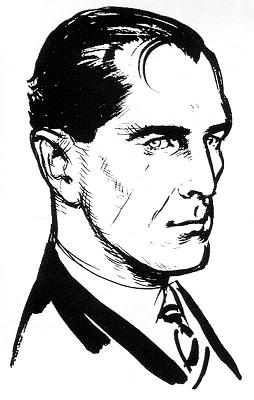
Ian Lancaster Fleming (28 May 1908 – 12 August 1964) was a British writer and journalist whose career combined reporting, intelligence work and fiction. He is best known for creating the fictional secret agent James Bond, a character who first appeared in the 1953 novel Casino Royale and went on to feature in a series of novels and short stories that inspired a major film franchise. For a general biographical overview see biographical profile.
Image gallery
10 Images




Early life and education
Fleming was born into a prosperous London family and raised in an environment that afforded private schooling and travel. He was educated at Eton College and later attended other institutions typical for his class. His upbringing in London and contact with figures from finance, diplomacy and the military influenced the settings and social worlds he later depicted in his fiction.
Wartime service and journalism
Before becoming a novelist Fleming worked as a journalist and then in Britain's Naval Intelligence Division during the Second World War. His responsibilities included planning and liaison for intelligence activities; he helped establish and manage elements of Britain's wartime intelligence effort. Those experiences, combined with his reporting background, supplied material—technical detail, procedural atmosphere and a network of real-world contacts—that informed the plots and tone of his spy stories. Readers can consult wartime studies and archives via Naval Intelligence resources for context.
Major works and characteristics
Fleming published his first Bond novel, Casino Royale, in 1953. Over the next decade he wrote a sequence of novels and two short-story collections featuring the British agent. His output also included other books such as the children's story Chitty Chitty Bang Bang, published in 1964. The Bond books are noted for their brisk pacing, attention to gadgets and travel, glamorous settings and a central protagonist defined by competence, taste and a sometimes hard-edged morality. For lists and publication details see the Bond novels and the children's work at Chitty Chitty Bang Bang.
Adaptations, legacy and influence
Fleming's creation has had an unusually long life beyond the printed page. Beginning with mid-20th-century film and radio adaptations, James Bond became the subject of a major international movie series. By the early 21st century more than two dozen films had been released; the long-running cinematic tradition has brought Fleming's characters to a global audience and spawned imitators, scholarly commentary and popular debate about espionage, masculinity and Cold War culture. A representative treatment of Bond on screen can be found via the Bond series overview.
Notable facts and distinctions
- Fleming combined journalism and intelligence work before turning to fiction, a background that lent authenticity to his spy narratives.
- He wrote both adult thrillers and a well-known children's book, demonstrating range across genres; see Chitty Chitty Bang Bang for the latter.
- His life began in London and ended after a fatal heart attack in Canterbury, in the county of Kent.
- Readers interested in his education can consult records relating to Eton College and related institutions.
Further reading and resources
Fleming's work is studied in the contexts of modern popular fiction, Cold War history and film studies. For introductions and primary-source material consult library catalogs and specialist biographies; online portals and archival holdings provide additional documentation about his wartime service and publishing history. For curated collections and commentary see resources at London cultural repositories and broader overviews at intelligence-history sites.
Related articles
Author
AlegsaOnline.com Ian Fleming Leandro Alegsa
URL: https://en.alegsaonline.com/art/46333
Sources
- 007.com : "Bond 24 Announcement"