
I Walked with a Zombie (1943 film)
A concise, neutral overview of Jacques Tourneur's 1943 RKO horror film I Walked with a Zombie: plot, production background under Val Lewton, themes of voodoo and Gothic romance, critical reception and legacy.
Overview
I Walked with a Zombie is a 1943 Gothic horror film directed by Jacques Tourneur and produced as part of Val Lewton's influential cycle at RKO Pictures. Combining psychological unease, atmospheric cinematography, and folkloric elements, the film departs from straightforward monster fare to explore mood, suggestion, and moral ambiguity.
Image gallery
4 Images


Plot and principal characters
The story follows a young Canadian nurse, Betsy Connell, who arrives to care for Jessica Holland, the wife of plantation manager Paul Holland. Betsy is hired to treat a mysterious, trance-like paralysis that afflicts Jessica after a fever. As Betsy becomes entangled with the household and the island community, she confronts local beliefs and rituals that bring the notion of voodoo into the narrative. The film centers on interpersonal tensions and the nurse's attempts to restore Jessica's agency while navigating suspicion and grief.
- Tom Conway as Paul Holland
- Frances Dee as Betsy Connell
- Christine Gordon as Jessica Holland
- Supporting cast and local characters who embody the island setting
Production, influences and style
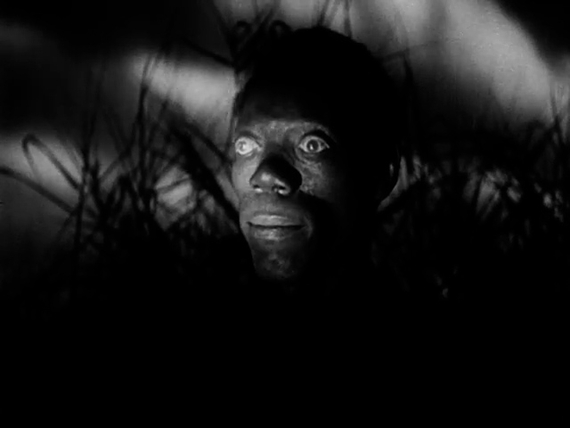
Produced by Val Lewton, the picture draws on two primary sources of inspiration: a reported magazine article that supplied the basic premise and the narrative structure suggested by Charlotte Brontë's Charlotte Brontë novel Jane Eyre. Lewton's approach favored suggestion over explicit depiction, using tight budgets to encourage creative lighting and composition. The film is often noted for its shadowy, economical cinematography and evocation of a crepuscular, Caribbean plantation world rather than explicit shock.
Themes and critical response
Rather than treating zombies as mindless monsters, the film frames them within questions of colonialism, religion, love, and ethical care. Its use of ritual imagery and a slow, contemplative pace provoked mixed reactions on release. Contemporary reviews included scathing notices — for example, an early review in The New York Times found the film objectionable — but later critics reassessed the movie as an intelligent example of mood-driven horror and the most elegant of Lewton's RKO series.
Legacy and notable distinctions
Today the film is frequently cited as an early example of psychological and artful horror in American cinema. It stands apart from later, more sensational zombie films by emphasizing atmosphere, character, and cultural context. Viewers and scholars note its careful staging, the interplay between healing and superstition, and its ambiguous moral center as reasons for continued study and appreciation. For further reading on the production and its place in 1940s studio horror, consult authoritative film histories and archival material associated with RKO and Val Lewton.
Elements to consider when watching: the film's pace and silences, the contrasting attitudes of island residents and outsiders toward illness and ritual, and how the camera uses light and shadow to imply dread more than to display it directly.
For cast and credit details, production notes, and archival documentation, consult studio records and reputable film reference sources accessible through film archives and specialized bibliographies. Related topics include nurse protagonists in cinema (nurse roles), plantation settings in fiction (plantation), and the cultural use of religious practice in genre films (voodoo).
Related articles
Author
AlegsaOnline.com I Walked with a Zombie (1943 film) Leandro Alegsa
URL: https://en.alegsaonline.com/art/46300