
Hyundai i10
A compact city car from Hyundai introduced in 2008. The i10 replaced the Atos, shares a platform with the Kia Picanto, and has evolved through several generations as an efficient urban hatchback.
Overview
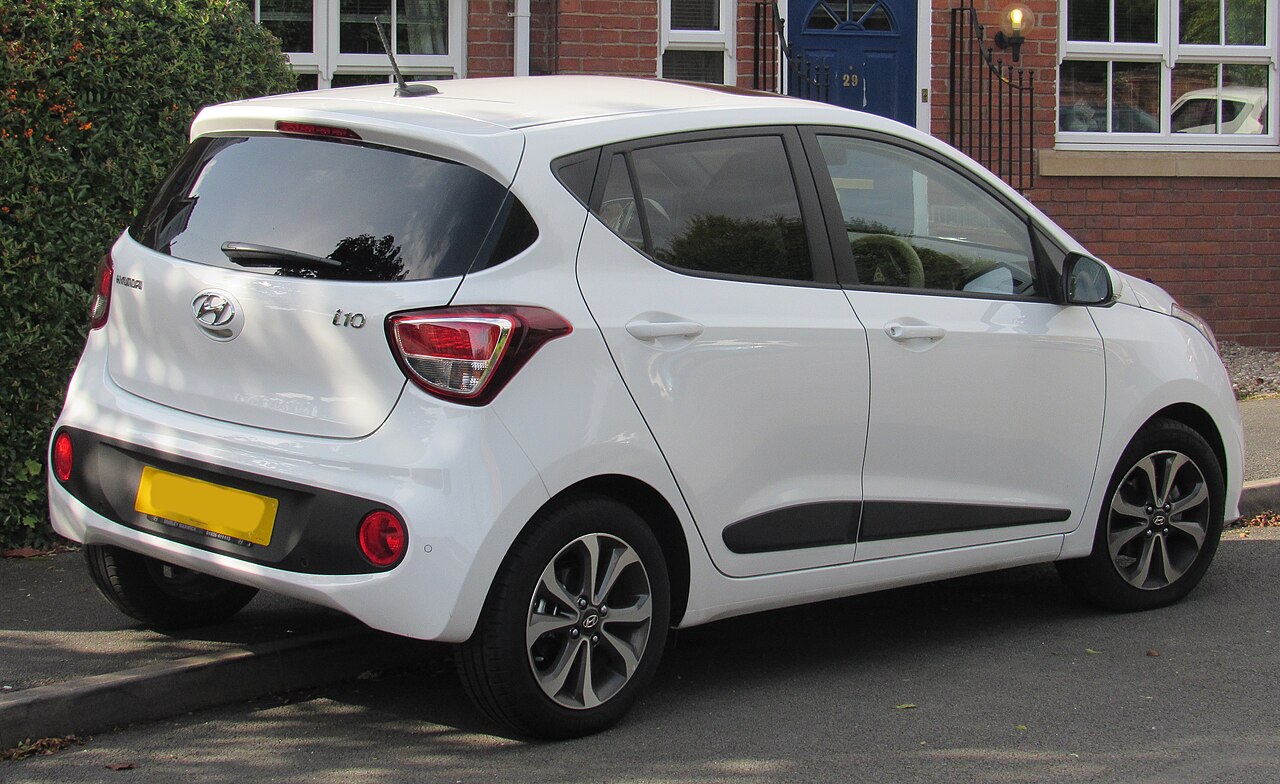
The Hyundai i10 is a small city car introduced by Hyundai in 2008 as the successor to the Atos. Designed for urban driving, the i10 combines compact exterior dimensions with a relatively roomy interior for its class. It has been offered primarily as a three- or five-door hatchback and marketed across Europe, Asia and other regions where demand for fuel-efficient city cars is strong. For more information from the manufacturer, see Hyundai.
Image gallery
10 Images






Design and engineering
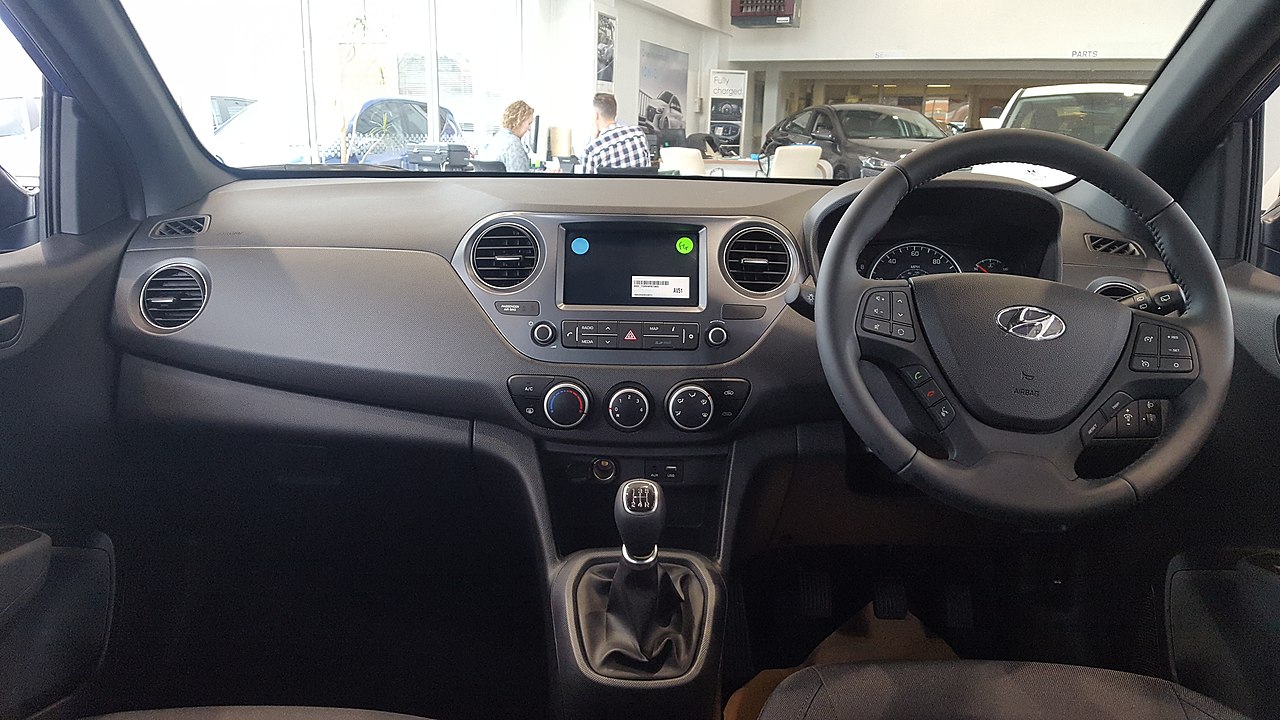
The i10 is built on a lightweight compact-car platform shared with other models in the Hyundai–Kia family, notably the Kia Picanto. Typical mechanical layouts include small-displacement petrol engines—commonly three-cylinder 1.0-litre units and larger 1.1–1.2-litre four-cylinder options—paired with manual or automatic transmissions. The emphasis is on low running costs, tight turning circles for easy parking and simple, practical interiors.
Key characteristics
- Compact footprint for urban maneuverability and parking convenience.
- Efficient small petrol engines offering good fuel economy.
- Practical cabin with flexible seating and adequate cargo space for the segment.
- Modern safety and convenience features added progressively across generations.
History and development
The i10 replaced the ageing Atos and used platform engineering closely related to the Kia Picanto (Kia Picanto). It first appeared in 2008 and entered a second generation around 2013, followed by further revisions that refined styling, equipment and safety. The model gained notable market traction during incentive programs such as national scrappage schemes, which encouraged buyers to replace older cars with new, cleaner models.
Market role and notable facts
As an entry-level hatchback, the i10 appeals to first-time buyers, city dwellers and fleet operators seeking low-cost transport. Its compact size and economical engines make it well suited to congested urban environments. Over successive generations Hyundai has improved crash protection, infotainment and emissions performance, keeping the i10 competitive among small hatchbacks.
Related articles
Author
AlegsaOnline.com Hyundai i10 Leandro Alegsa
URL: https://en.alegsaonline.com/art/46239