
Hysterectomy — surgical removal of the uterus
Hysterectomy is an operation to remove the uterus. This article explains types, reasons, approaches, effects on fertility and hormones, risks, recovery, and alternatives.
Overview
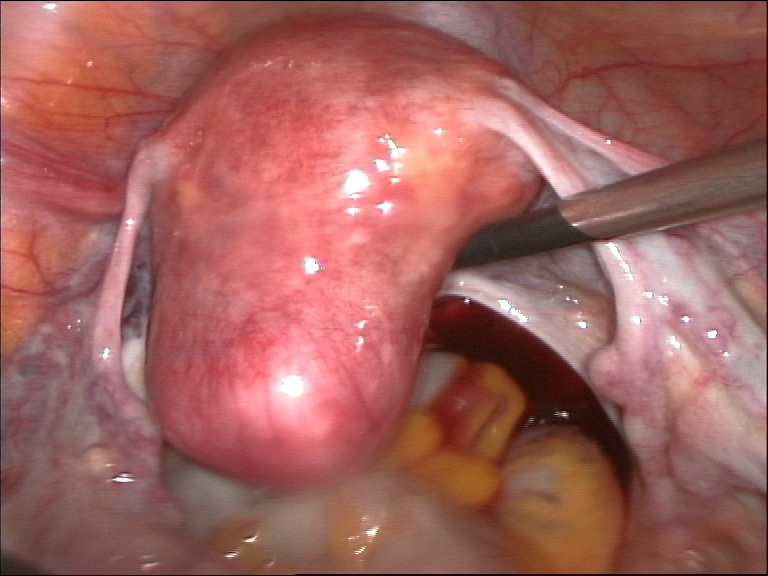
A hysterectomy is a surgical procedure that removes a woman's uterus (womb). It is performed by a gynecologist and permanently prevents pregnancy. The operation may be limited to the uterus itself or may include removal of nearby reproductive structures such as the cervix, fallopian tubes and ovaries. For a general introduction see what a hysterectomy involves.
Image gallery
8 Images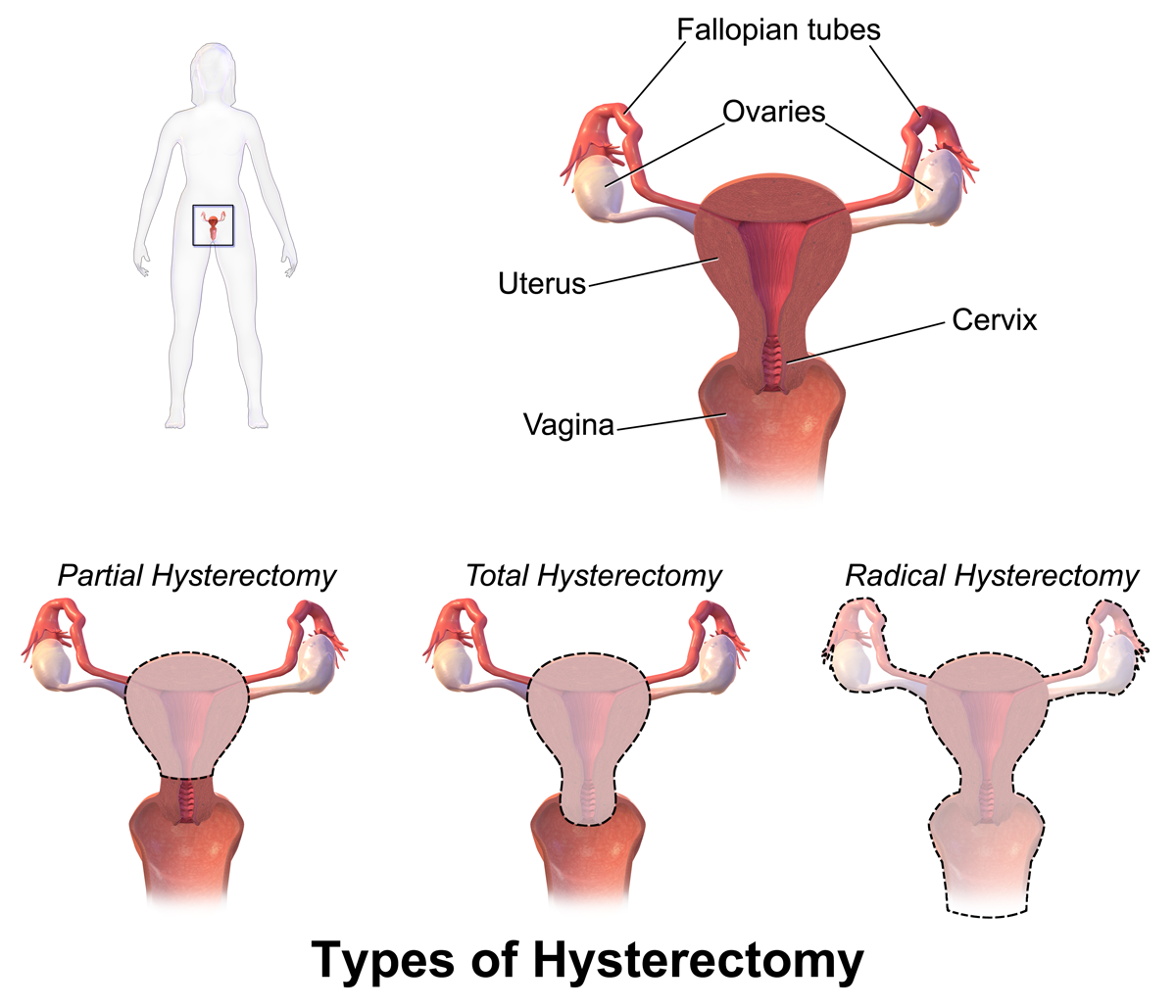


Types and surgical approaches
Surgeons describe hysterectomies by how much tissue is removed and how the surgery is done. Major categories include:
- Total hysterectomy: removal of the uterus and cervix.
- Subtotal (supracervical) hysterectomy: removal of the upper uterus while leaving the cervix in place.
- Radical hysterectomy: removal of the uterus, surrounding tissues and part of the upper vagina; used for some cancers.
Surgical approaches include abdominal (open incision), vaginal (through the birth canal), laparoscopic or robot-assisted minimally invasive techniques. Choice of method depends on the underlying condition, surgeon experience, anatomy and patient preference.
Common indications
Hysterectomy may be recommended for several medical reasons. Frequent indications are:
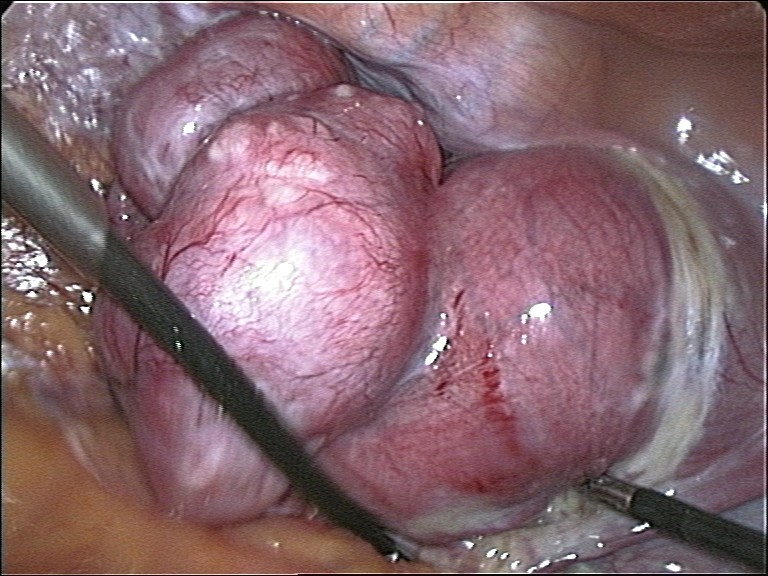
- Benign uterine fibroids causing pain, heavy bleeding or bulk symptoms.
- Gynecologic cancers or pre-cancer affecting the uterus, cervix or other reproductive organs — see cancer indications for more context.
- Pelvic organ prolapse when pelvic structures descend into or outside the vagina.
- Severe endometriosis or adenomyosis that does not respond to other treatments.
- Chronic, uncontrollable uterine bleeding or persistent pelvic pain.
Depending on the case, a surgeon may also remove the fallopian tubes and ovaries (salpingo-oophorectomy). Terms and anatomy are discussed elsewhere, for example the cervix and ovaries.
Risks, consequences and follow-up
Major consequences include permanent infertility and, if both ovaries are removed before natural menopause, a sudden drop in ovarian hormones that causes immediate menopause. Removal of only the uterus stops menstrual bleeding but preserves ovarian hormone production if the ovaries remain. Risks of surgery include bleeding, infection, injury to nearby organs, anesthesia complications and longer-term issues such as pelvic floor weakness or adhesions. Sexual function and quality of life outcomes vary; many people report improvement in pain or bleeding, while others notice changes in sensation or libido, especially when ovaries are removed.
Recovery, alternatives and informed choice
Recovery varies with the surgical approach. Vaginal and laparoscopic procedures usually have shorter hospital stays and faster recovery than open abdominal surgery. Typical recovery periods range from a few weeks to several months depending on complexity. Before deciding on hysterectomy, clinicians and patients often consider conservative or uterus-sparing options such as medication, hormonal therapy, uterine artery embolization, endometrial ablation or myomectomy for fibroids. Shared decision-making should include discussion of fertility goals, menopausal effects, risks and expected benefits.
History and notable facts
Hysterectomy has been performed in various forms for more than a century and became safer with advances in surgical techniques, anesthesia and antibiotics. The development of minimally invasive laparoscopic and robotic methods in recent decades has reduced recovery times for many patients. Despite being a common gynecologic operation, the decision to proceed remains highly individualized and guided by clinical indications, patient values and available alternatives.
Related articles
Author
AlegsaOnline.com Hysterectomy — surgical removal of the uterus Leandro Alegsa
URL: https://en.alegsaonline.com/art/46227
Sources
- rcpa.edu.au : "RCPA - Uterus benign"
- rcpa.edu.au : "RCPA - Uterus endometrial and myometrial malignancies"
- medlineplus.gov : "Hysterectomy | Endometriosis | Fibroids | MedlinePlus"
- vsearch.nlm.nih.gov : "Hysterectomy"