
Hyrule Warriors
Hyrule Warriors is a hack-and-slash spin-off that blends The Legend of Zelda characters and settings with the Musou (Dynasty Warriors) combat system. Developed by Tecmo Koei with Nintendo, first released in 2014.
Overview
Hyrule Warriors is a crossover action game that merges the characters, enemies and locations of Nintendo's The Legend of Zelda with the large-scale, enemy-sweeping combat style of the Musou (Dynasty Warriors) series. The game places familiar Zelda icons into objective-driven battlefields where individual heroes face dozens or hundreds of foes at once. It is a licensed spin-off produced in collaboration between Nintendo and Tecmo Koei.
Image gallery
4 Images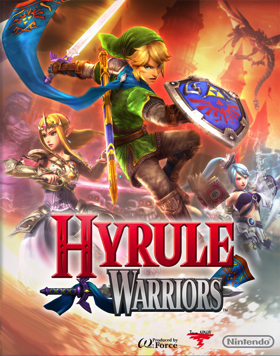


Gameplay and structure
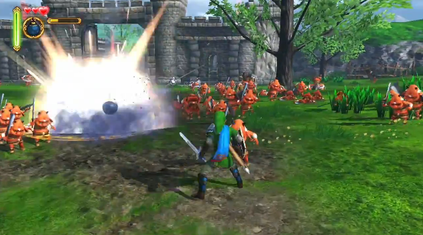
Gameplay emphasizes fast-paced, combo-oriented melee combat, item use and simple tactical objectives. Players select a hero with a distinctive move set and weapon type, for example swords, staves or bows, and progress through missions that combine base capturing, escort tasks, boss duels and scripted events. Characters gain levels, unlock new attacks and equip different weapon variants, encouraging variety across a growing roster.
Characters and roster
The playable cast draws heavily from the Zelda mythos—such as Link, Zelda, Impa and villains inspired by series antagonists—alongside original characters created for the crossover. Many characters have unique abilities and alternate costumes, and some weapons or moves reference established Zelda items and techniques. The roster expanded in later editions to include additional fan-favorites and guest-style additions.
Modes and features
- Adventure mode, which maps progression across an overworld with missions and unlockables.
- Free battle and challenge missions that replay stages with changed objectives and conditions.
- Character progression, weapon synthesis and cosmetic unlocks that reward continued play.
- Local cooperative multiplayer on compatible platforms, allowing two players to share battlefields.
Development, editions and ports
The project paired Tecmo Koei's Musou expertise with Nintendo's Zelda team to produce a hybrid experience. After its initial Wii U release in 2014, the title was expanded and ported to other Nintendo systems in updated editions that added characters, maps, balance adjustments and extra modes. Those editions aimed to make the game accessible to both Musou veterans and Zelda fans seeking a different style of action.
Reception and legacy
Critical and player response generally praised the implementation of Zelda motifs into Musou gameplay, noting the satisfaction of large-scale combat and fan-service character interactions. Common criticisms focused on mission repetition inherent to the Musou formula and the distance from traditional Zelda puzzle design. The game nonetheless influenced later crossovers and prompted follow-up releases and definitive collections for newer hardware.
Further information
For official announcements, release notes and platform details consult the publisher and developer pages: official publisher page, platform information, and general series references. Developer resources and post-release communications are available from production teams at developer resources and in archived official communications.
Related articles
Author
AlegsaOnline.com Hyrule Warriors Leandro Alegsa
URL: https://en.alegsaonline.com/art/46223
Sources
- gameinformer.com : Legend Of Zelda Meets Dynasty Warriors In Hyrule Warriors - News - www.GameInformer.com
- joystiq.com : 'Hyrule Warriors' 3D action game announced for Wii U [Update: Trailer added] | Joystiq
- destructoid.com : Hyrule Warriors is Dynasty Warriors with Link in it - Destructoid
- eurogamer.net : Zelda spin-off Hyrule Warriors announced • News • Wii U • Eurogamer.net
- venturebeat.com : Tecmo-Koei and Nintendo team up for Zelda: Hyrule Warriors combat game | GamesBeat | Games | by Jeff Grubb
- gamespot.com : Zelda and Dynasty Warriors come together for "Hyrule Warriors" on Wii U in 2014 - GameSpot
- digitalspy.com : Zelda: Hyrule Warriors announced for Wii U with trailer - watch - Gaming News - Digital Spy