
I Don't Want to Be (Gavin DeGraw song)
Debut single by Gavin DeGraw from the album Chariot (released 2004). A piano-driven alternative rock song about authenticity, widely known as DeGraw's signature tune and used on television.
"I Don't Want to Be" is the debut single by singer-songwriter Gavin DeGraw, issued from his first studio album, Chariot. Released as a single in 2004, the track introduced DeGraw's piano-led pop/alternative rock style to a wide audience and quickly became identified with his public persona.
Image gallery
1 Image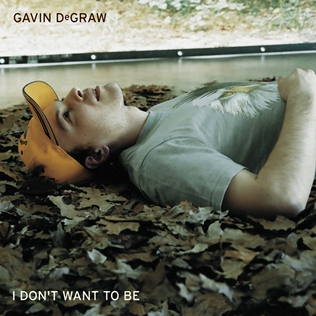
Overview and themes
The song is built around a prominent piano riff, steady drums and a memorable, confessional chorus that repeats the title line as a declaration of self-acceptance. Lyrically it explores the tension between personal identity and outside expectations: refusing to conform, asserting agency, and accepting one’s flaws. Musically it sits within the broader alternative rock / pop-rock tradition while retaining a singer-songwriter intimacy.
Composition and structure
Structurally the track follows a verse–chorus pattern with a bridge that intensifies the emotional plea. The arrangement foregrounds acoustic and electric piano sounds, supported by guitar and a driving rhythm section; the production emphasizes DeGraw’s vocal delivery and the hooky chorus that made the song radio-friendly.
History and exposure
As DeGraw’s first commercial single, the song benefited from strong radio airplay and placement in popular media. Notably, it became associated with the television series One Tree Hill, which helped introduce the track to a younger audience and cemented its role as DeGraw’s signature tune. The single marked an important step in his career, translating a club- and coffeehouse-based following into mainstream visibility after its 2004 release release.
Reception and legacy
Though listeners and critics varied in their responses, the song is widely recognized for its honest tone and singalong chorus. It has been covered by amateur and professional performers, used in talent shows and playlists focused on themes of independence, and remains a staple of DeGraw’s live set. For many fans it defines the artist’s early sound and message.
Notable facts
- Often cited as Gavin DeGraw’s breakout single and a concise example of early 2000s piano-driven pop-rock.
- Its media placements broadened its reach beyond traditional radio channels.
- The song continues to be used in compilations and as a reference point when discussing authenticity in pop songwriting.
For more about the artist and the album, see links to the performer and record: Gavin DeGraw, Chariot. Additional context on the single’s release and genre is available via referenced resources release and music-style overviews alternative rock.
Related articles
Author
AlegsaOnline.com I Don't Want to Be (Gavin DeGraw song) Leandro Alegsa
URL: https://en.alegsaonline.com/art/46265