
Hyperion (Simmons novel)
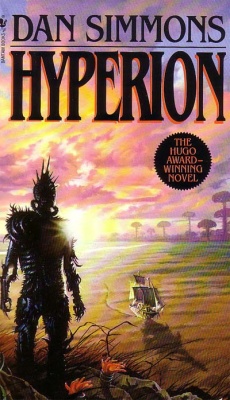
Hyperion is a 1989 science‑fiction novel by Dan Simmons, first in the Hyperion Cantos. A frame narrative of pilgrims, it blends poetry, mystery and far‑future speculation and won the Hugo Award for Best Novel.
Overview
Hyperion is a science fiction novel by Dan Simmons that launched the multi‑volume Hyperion Cantos. Presented as a frame narrative, the book follows a group of seven pilgrims who journey to the distant world of Hyperion, each telling the story of their life and motives. The novel weaves dark mystery, philosophical reflection and genre elements into an episodic whole.
Image gallery
2 Images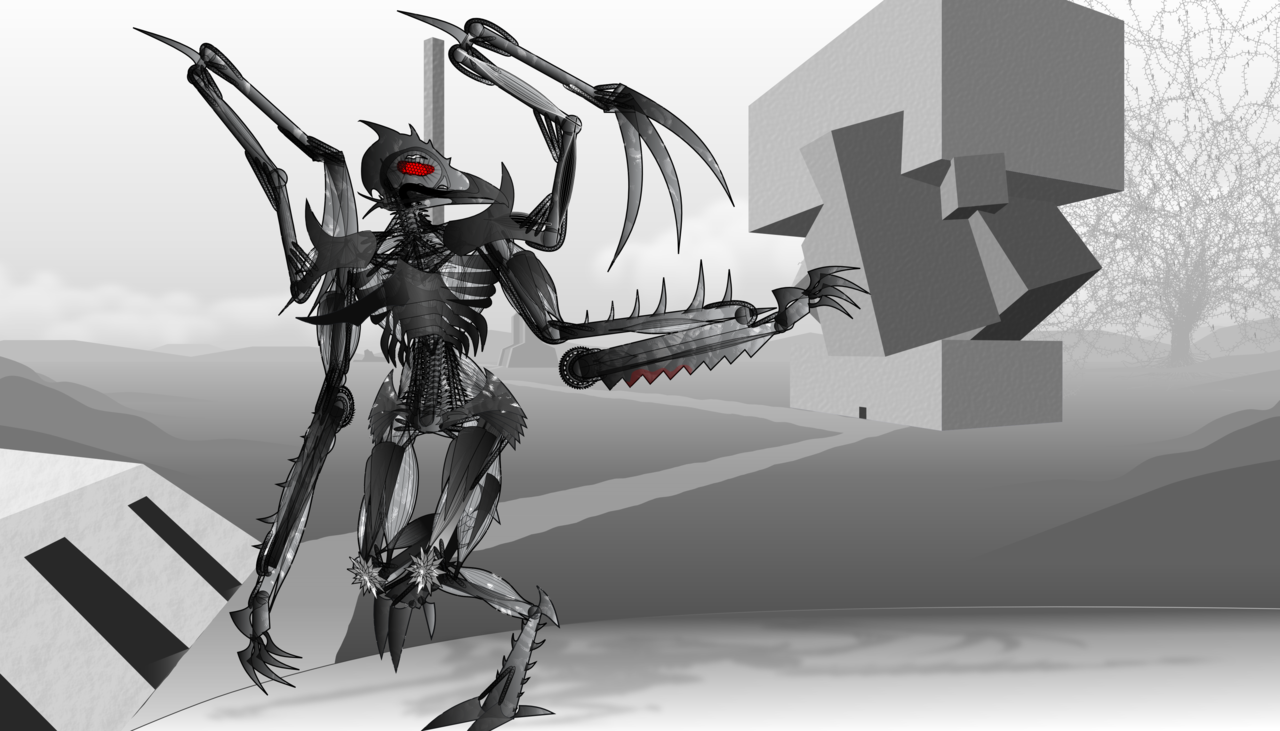
Structure and major elements
The novel is notable for its nested storytelling: individual pilgrim tales shift tone and style, ranging from detective noir to lyrical memoir to space opera. Central recurring elements include the Time Tombs, enigmatic artifacts whose motion runs counter to ordinary time, and the Shrike, a lethal and mysterious figure that has become an iconic image in modern science fiction.
Themes and influences
Hyperion explores themes of fate, faith, memory and the ethics of technology. Simmons draws on a wide literary palette: references to classical myth and the poetry of John Keats help shape the book's motifs and even supply names and epigraphs. The novel is often compared to classic frame works such as The Canterbury Tales for its structure and variety of voices.
Publication and reception
First published in 1989, Hyperion earned major critical recognition and won the Hugo Award for Best Novel. It established Simmons as a major voice in late 20th‑century speculative fiction and was followed by sequels that expanded the story across political, religious and cosmological conflicts. For author information see Dan Simmons and for the series see Hyperion Cantos.
Legacy and notable facts
Readers and critics often praise Hyperion for its ambitious scope, rich characterization and its blending of literary allusion with hard science‑fiction ideas. It remains widely read and taught and is frequently cited when discussing late‑20th‑century SF that bridges literary and genre traditions. More on the book itself is available at Hyperion, and details of the award are listed at the Hugo Award entry.
- Format: frame narrative with seven primary tales.
- Key motifs: time, pilgrimage, poetic allusion.
- Place in series: first volume of a multi‑book arc.
Related articles
Author
AlegsaOnline.com Hyperion (Simmons novel) Leandro Alegsa
URL: https://en.alegsaonline.com/art/46162
Sources
- worldswithoutend.com : "1990 Award Winners & Nominees"