
Anthony Trollope: life, novels, and lasting influence
Overview of Anthony Trollope (1815–1882), his major novels including the Barsetshire and Palliser series, his career in the Post Office, themes and style, and his literary legacy.
Anthony Trollope (1815–1882) was an English novelist whose steady productivity and keen attention to social detail made him one of the most prominent Victorian storytellers. Over a long career he produced numerous novels, short stories and non‑fiction, and he combined a civil service life with disciplined literary habits. Trollope’s work is notable for its focus on institutions — especially the church and Parliament — and for a sympathetic, often ironic, depiction of middle‑class provincial life.
Image gallery
10 Images


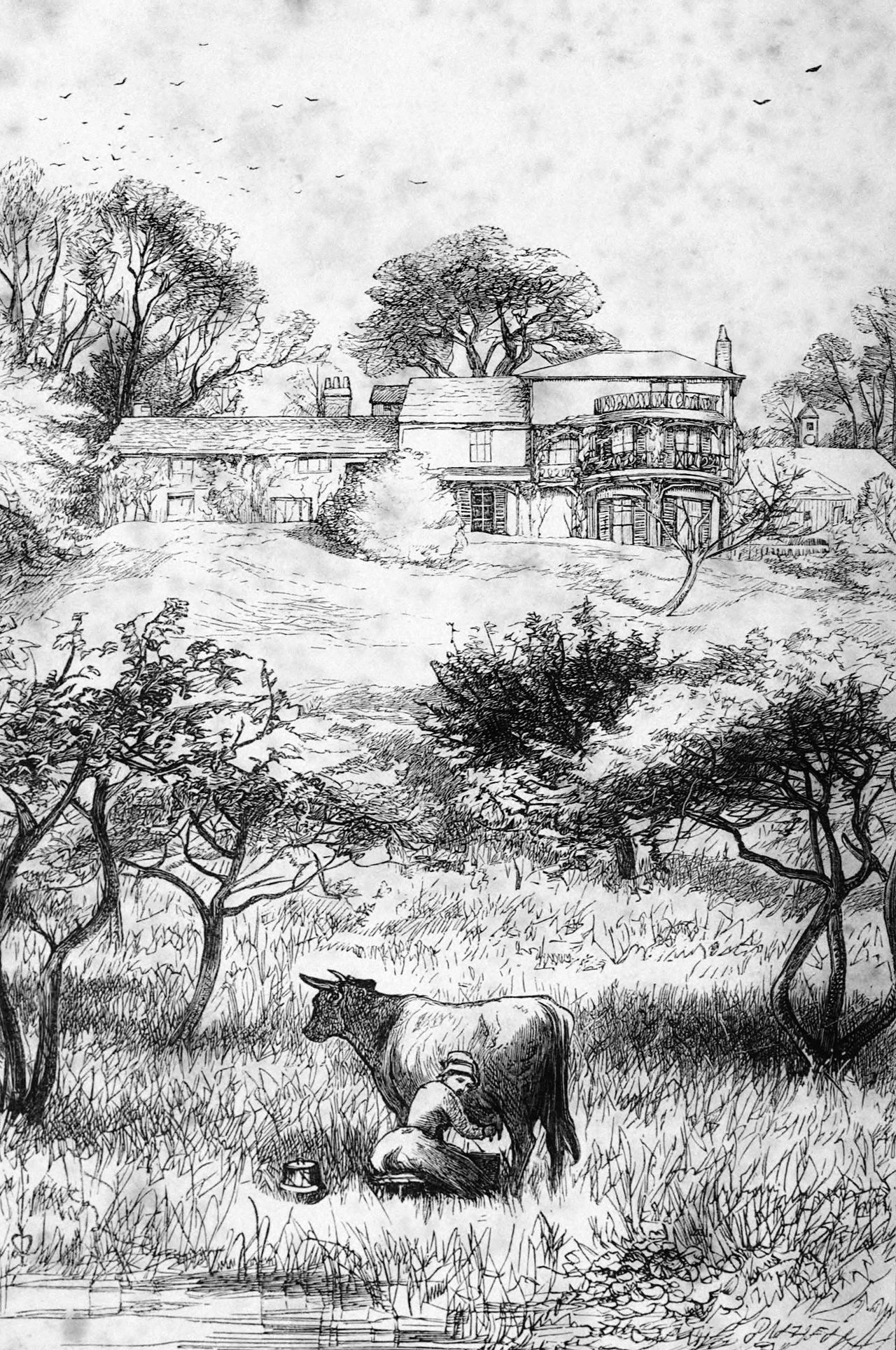
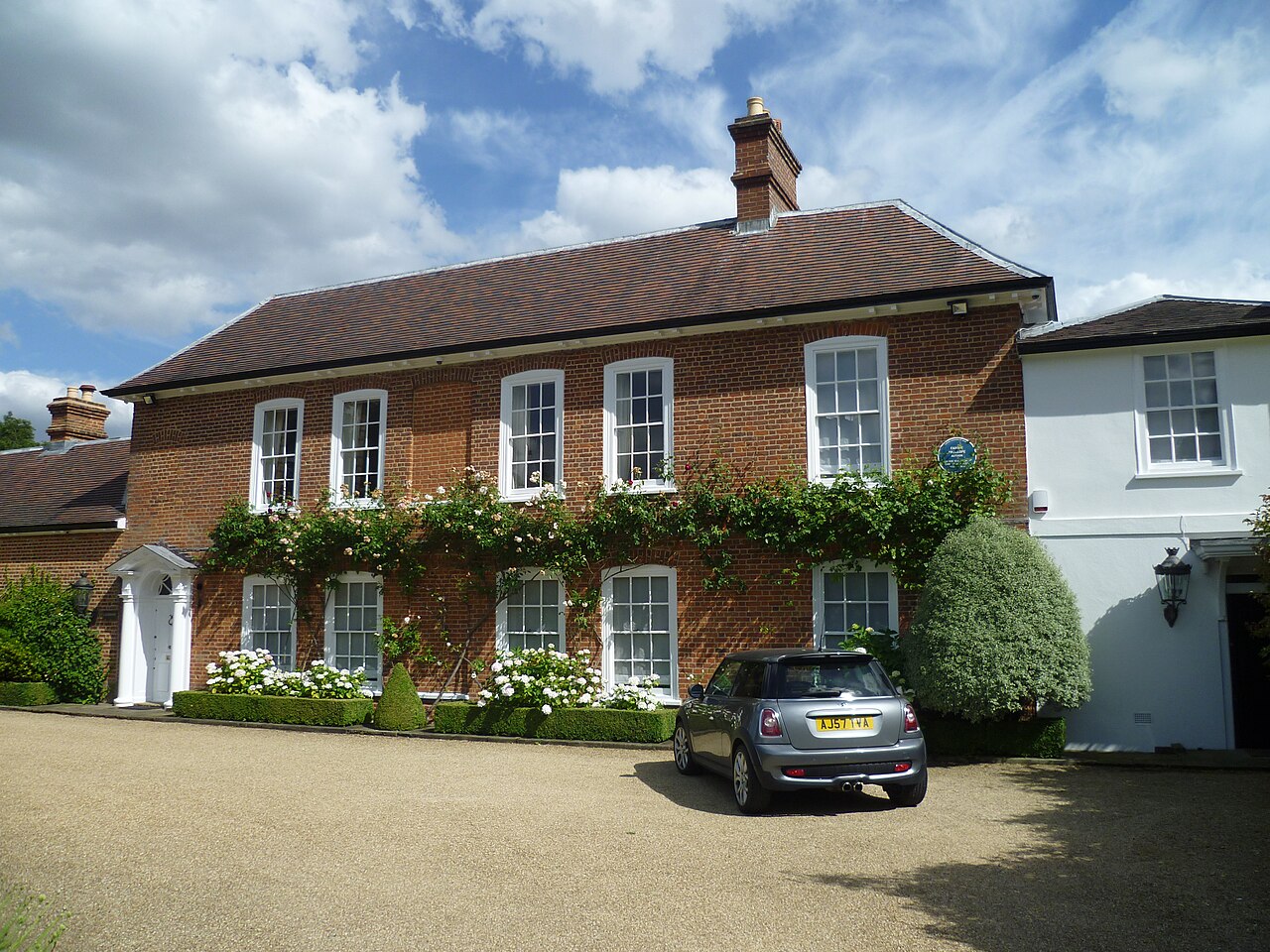


Overview and career
Trollope was born into a literary family: his mother, Frances Trollope, was herself a published writer. After training and early employment with the British Post Office, he was posted for many years in Ireland and elsewhere, experiences that informed his fiction and his understanding of administration. He served as a postal official while writing and did not leave the Post Office until the late 1860s. His steady daily practice of writing, combined with his knowledge of bureaucracy and social networks, produced novels that examine both public and private motivations.
Trollope is frequently associated with two extended groups of novels that examine different facets of Victorian life. One cluster, set in an invented county with a cathedral town, explores ecclesiastical and domestic matters in a compact provincial world. The other follows a politically engaged aristocratic family and follows careers, marriages and parliamentary maneuvering. Beyond these series he published travel writing, essays and an autobiography, and he continued to write short fiction and standalone novels throughout his life.
Major works and series
- The Barsetshire novels: a sequence set around the cathedral city of Barchester that dramatizes disputes, friendships and moral dilemmas among clergy, gentry and families. Representative titles are The Warden, Barchester Towers, Doctor Thorne, Framley Parsonage, The Small House at Allington and The Last Chronicle of Barset. The county of Barsetshire is an imagined southwestern English county; its church politics and social texture are central to these books. More on the setting.
- The Palliser novels: sometimes called the Parliamentary or Palliser series, these stories turn to national politics, high society and the responsibilities of power. They include Can You Forgive Her?, Phineas Finn, The Eustace Diamonds, Phineas Redux, The Prime Minister and The Duke's Children, and they interweave public careers with private relationships.
In addition to these cycles, Trollope wrote travel sketches and memoirs, and he described parts of Ireland and his work with the Post Office in non‑fiction pieces. His experience living and working in Ireland for a substantial period influenced settings and characters in several works. Ireland is one place closely tied to his early adult life, and he also produced prose on journeys and contemporary life that readers and critics have used to understand his world view. He published a candid autobiography late in life that reveals his views on craft and career.
Stylistically, Trollope favored clear narrative exposition, psychologically plausible characters and moral complexity rather than melodramatic plotting. He often highlighted the gap between public reputation and private conscience, and he used recurring characters and locations to build a sense of continuity across novels. Critics have praised his ear for dialogue and his talent for creating characters of persuasive ordinariness: figures whose ambitions, vanities and loyalties illuminate broader social patterns.
Reception and legacy
Trollope’s reputation has fluctuated since his lifetime. He was highly popular with contemporary readers and fellow novelists, though some critics dismissed aspects of his work as domestic or conventional. In the 20th century scholars and readers reassessed him, recognizing the subtlety of his social observation and the craft of his plotting. His novels have been adapted for stage and screen and continue to be read for their portrayal of Victorian institutions and the texture of everyday life. Collections of his letters, modern critical editions and recurring reprints have kept his work in circulation, and his disciplined approach to writing is often pointed to as an example of the professional novelist’s craft.
Anthony Trollope remains a central figure in the study of nineteenth‑century fiction: a novelist who balanced comic insight and moral seriousness, who chronicled both parish and Parliament, and who built fictional worlds that continue to attract readers and scholars. For further basic reference on his life and writings see contemporary summaries and modern introductions to his work, and consult collections that include his travel writing and memoirs for his own remarks about method and experience. Selections of his travel writing and biographies provide additional context for his life and career.
Related articles
Author
AlegsaOnline.com Anthony Trollope: life, novels, and lasting influence Leandro Alegsa
URL: https://en.alegsaonline.com/art/4587