
Hurricane Beryl
Hurricane Beryl refers to several Atlantic storms sharing the name; in 2018 Beryl formed as a subtropical cyclone and brought relatively minor damage to the Lesser Antilles.
Overview
Hurricane Beryl is the name assigned to multiple tropical cyclones in the Atlantic basin. The name has been reused on the World Meteorological Organization's rotating lists and has applied to both tropical and subtropical systems. In general usage, references to "Beryl" will specify a year to distinguish individual storms.
Image gallery
10 Images


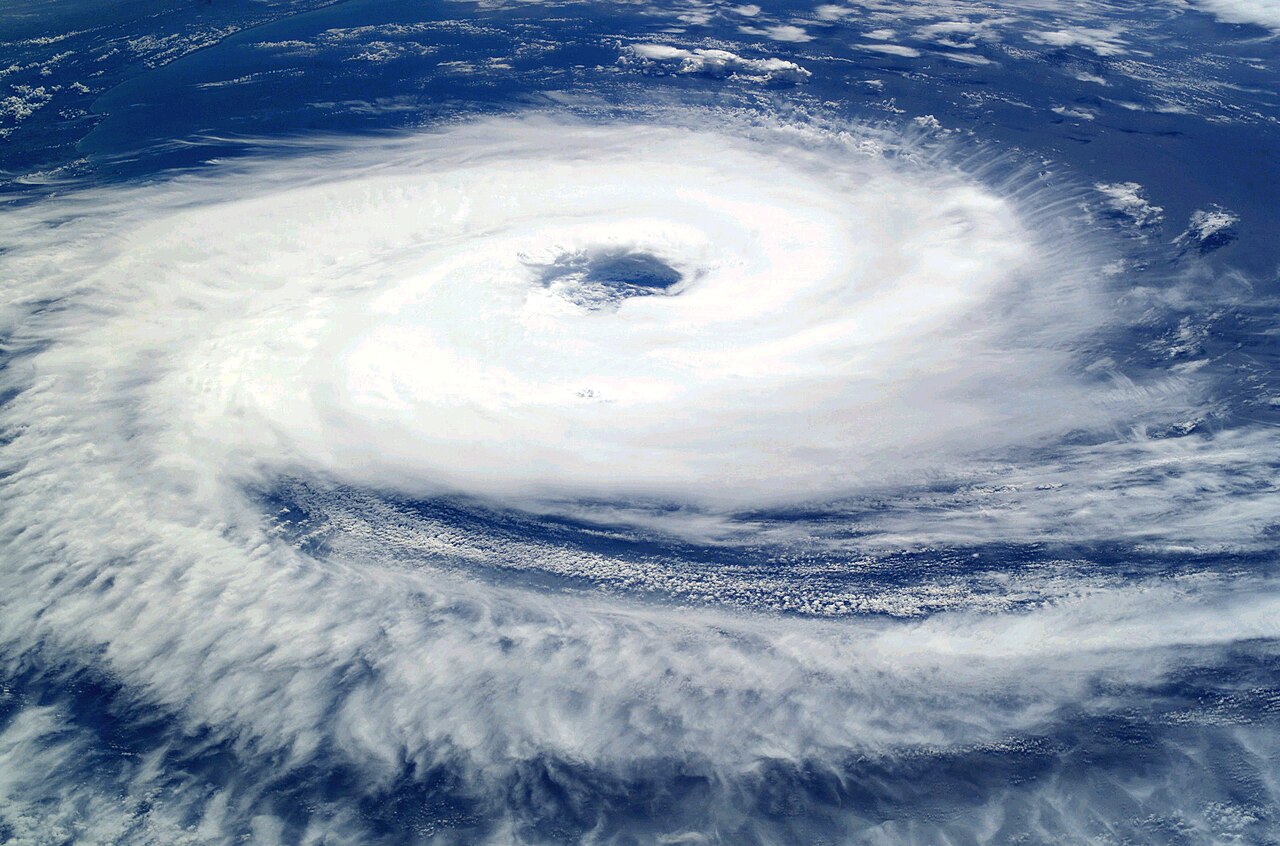


2018 event
In 2018 a storm called Beryl initially exhibited subtropical characteristics as it developed. That season included several hybrid systems, and Beryl's early classification reflected a mix of tropical and extratropical traits. The system passed through parts of the eastern Caribbean, including the Lesser Antilles, and reports described the damage as relatively minor compared with more destructive storms in other years. For more context on that season see the 2018 Atlantic hurricane season.
Characteristics
Tropical storms and hurricanes named Beryl have varied in intensity and structure. Some have had classic warm-core tropical characteristics, while others have behaved like subtropical cyclones with broader wind fields and asymmetric temperature patterns. Forecasters determine classification based on satellite imagery, surface observations and the storm's thermal structure.
Impacts and response
Impacts from storms named Beryl have typically included heavy rain, gusty winds and localized coastal and inland flooding where they pass over islands or nearshore regions. In the 2018 instance, damage was described as limited, but even modest storms can disrupt infrastructure and agriculture. Local authorities commonly issue warnings, advise preparedness, and activate emergency services ahead of landfall or nearby passages.
Naming and history
The name Beryl remains on the rotating Atlantic lists and is reused unless a particular storm is so deadly or costly that its name is retired. The recurrence of the name across decades provides a shorthand for public communication, but each occurrence is a distinct meteorological event with its own impacts and forecasts.
Distinctions and notable facts
- Subtropical versus tropical: subtropical storms have broader wind fields and cooler cores than purely tropical storms.
- Preparation: even storms classed as "minor" can produce hazardous surf, flash floods and power outages.
- Records and summaries for specific Beryl storms are available in official post-season reports and regional summaries such as the 2018 Atlantic hurricane season review.
Related articles
Author
AlegsaOnline.com Hurricane Beryl Leandro Alegsa
URL: https://en.alegsaonline.com/art/45834