
Humboldt Park (Chicago park)
Humboldt Park is a 207-acre public park on Chicago’s West Side, known for its lagoons, designed landscapes, historic buildings and role as a cultural focal point for the surrounding neighborhood.
Humboldt Park is a large municipal park on Chicago’s West Side. Located at 1400 North Sacramento Avenue, the park covers about 207 acres (84 hectares) and sits within a long-established urban neighborhood. The green space takes its name from the naturalist Alexander von Humboldt and functions as one of the principal parklands on Chicago’s West Side. For official information see Humboldt Park and for context about the district see West Side and Chicago in broader regional guides. The park lies within the state of Illinois.
Image gallery
7 Images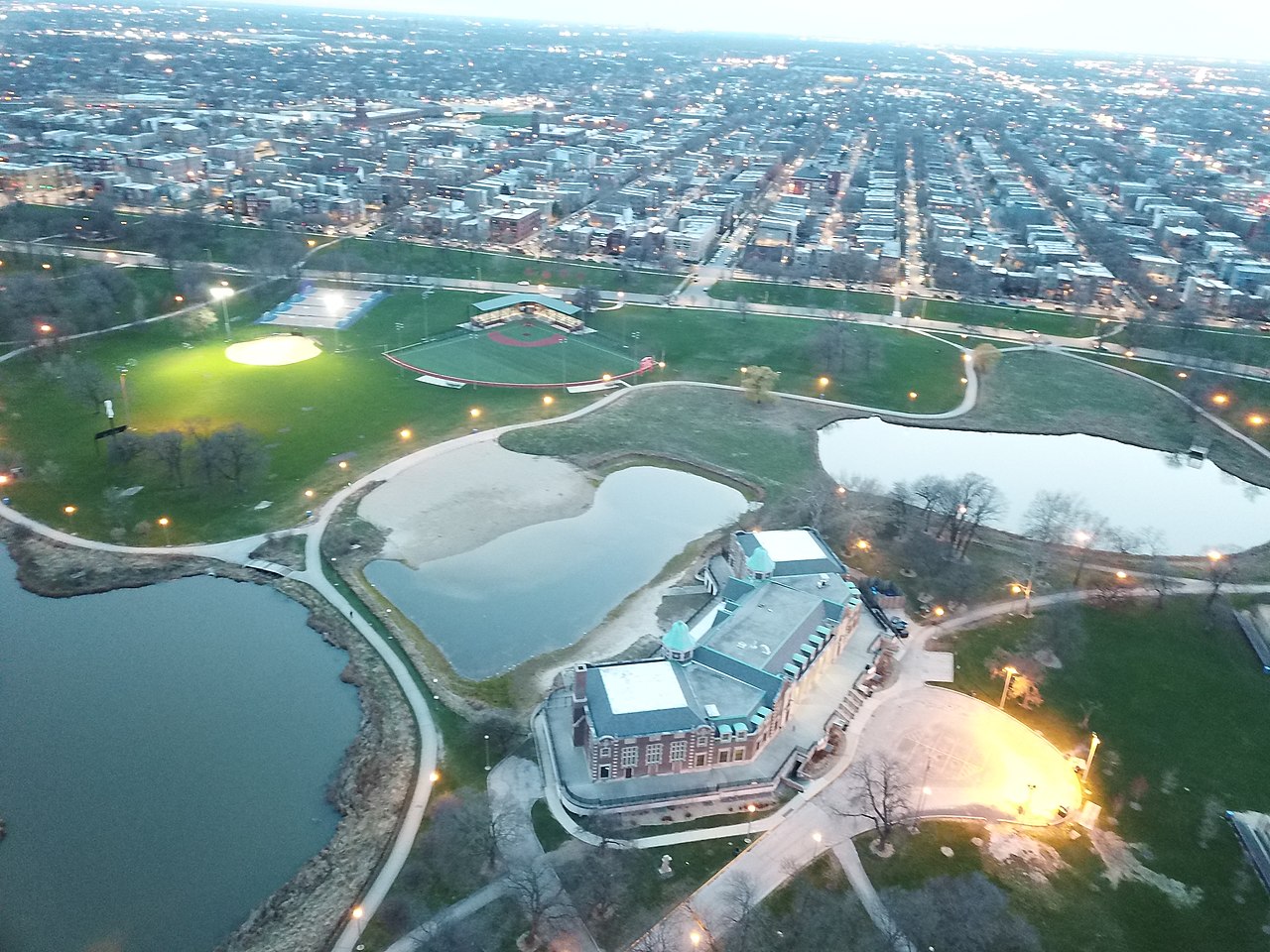




Layout and principal features
Humboldt Park combines open lawns, formal gardens, multiple lagoons and constructed waterways with recreational facilities. Visitors encounter pedestrian paths, athletic fields, playgrounds, a rose garden and several architecturally notable buildings. A historic fieldhouse, a boathouse on the water, and a music pavilion are among the built features that anchor activity at different seasons. The landscape includes intentionally arranged water elements that create visual depth and habitat for urban wildlife.
Design and development
Initial development of the park began in the 1870s under the direction of William Le Baron Jenney, an early planner and architect. In the early twentieth century the landscape architect Jens Jensen undertook significant work here: between roughly 1905 and 1920 he linked separate lagoons by creating a meandering river, laid out plantings including a rose garden, and added structures intended for public use. Jensen’s work reflects principles associated with the Prairie School of landscape design, emphasizing native plants, naturalistic water forms and open views.
Community use and cultural role
Beyond passive recreation, Humboldt Park has long served as a gathering place for the neighborhood. The park hosts concerts, community festivals, informal sports and boating in warmer months, and it has been a focal point for cultural activities tied to the surrounding communities. Local residents and neighborhood organizations continue to use the park for events, education, and civic gatherings.
Preservation and recognition
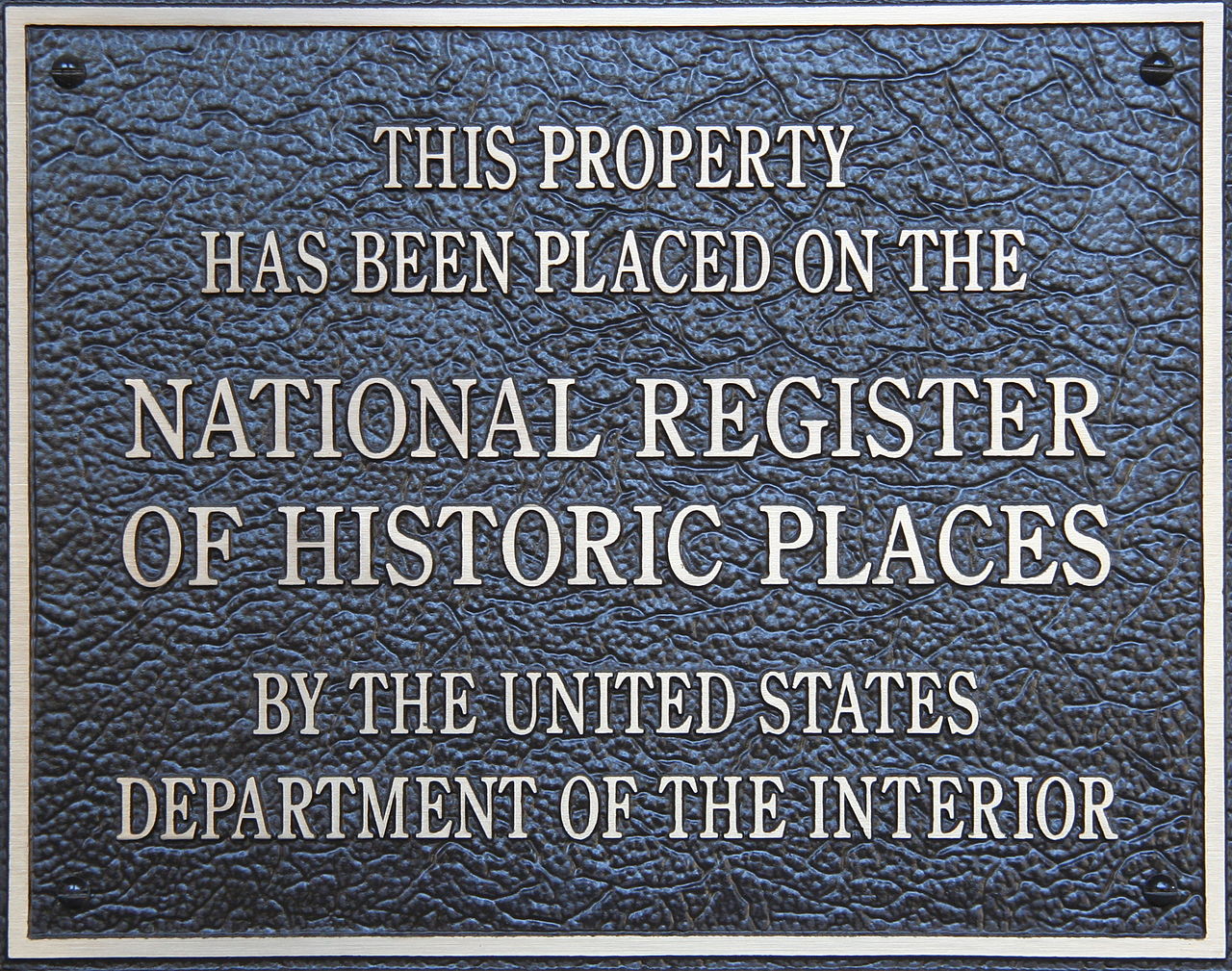
Humboldt Park’s combination of landscape architecture and historic buildings has been recognized at the national level: it was listed on the National Register of Historic Places in 1992 (NRHP listing). Since then, public- and private-sector conservation efforts have aimed to maintain the park’s historic character while updating facilities for contemporary use.
- Main features: lagoons and connecting river, rose garden, fieldhouse and boathouse.
- Recreation: sports fields, playgrounds, walking paths and summer concerts.
- Historic significance and landscape design by notable practitioners; see archival and park-district materials via park pages and regional resources such as state or municipal guides.
- Further reading and resources: see municipal histories and landscape-architecture surveys accessible through local archives and city libraries.
For visitors and researchers the park offers both recreational amenities and a clear example of early Chicago park planning that evolved through the work of prominent designers. Additional historical details, maps and current programming are available from local parks authorities and cultural organizations that work in and around Humboldt Park; many of those resources can be located through local references and the links above.
West Side and municipal planning documents, neighborhood cultural groups and archival collections provide further context about how the park has shaped—and been shaped by—the community over more than a century. For biographical context on early designers, see links related to Jenney and landscape architects who worked in the city.
Researchers seeking primary-source materials should consult municipal records, preservation nominations and historic maps; many such materials are summarized in online guides and local library collections referenced at park information and in broader Chicago repositories summarized here and at regional portals like historic registers.
Related articles
Author
AlegsaOnline.com Humboldt Park (Chicago park) Leandro Alegsa
URL: https://en.alegsaonline.com/art/45694
Sources
- theweekbehind.com : Humboldt Park · web.archive.org
- nationalregisterofhistoricplaces.com : National Register of Historical Places in Cook County, IL