
Humboldt County, California
Coastal county in northern California known for coast redwoods, Humboldt Bay, timber and fisheries; county seat Eureka; population recorded as 132,646 in the 2010 census.
Overview
Humboldt County is a coastal county in the U.S. state of California. As recorded in the 2010 census, its population was 132,646. The administrative center and largest city is the county seat, Eureka. The county occupies a long stretch of the North Coast and combines rugged coastline, temperate rainforests, and inland river valleys.
Image gallery
10 Images




Geography and environment
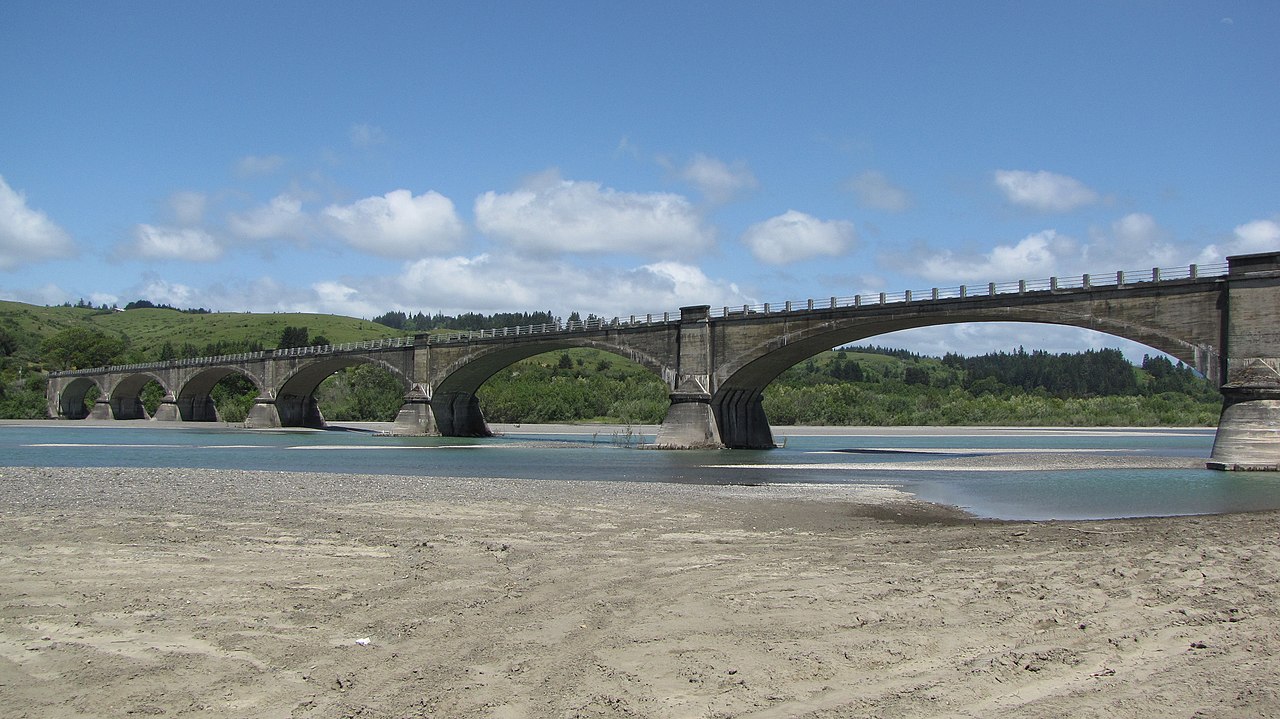
Humboldt County features steep coastal bluffs, broad estuaries such as Humboldt Bay, and some of the tallest remaining stands of coast redwood (Sequoia sempervirens). The climate is generally cool and maritime: frequent fog, wet winters, and mild summers. These conditions support dense forests, salmonid-bearing rivers and a range of coastal habitats that are important for wildlife and recreation.
History and development
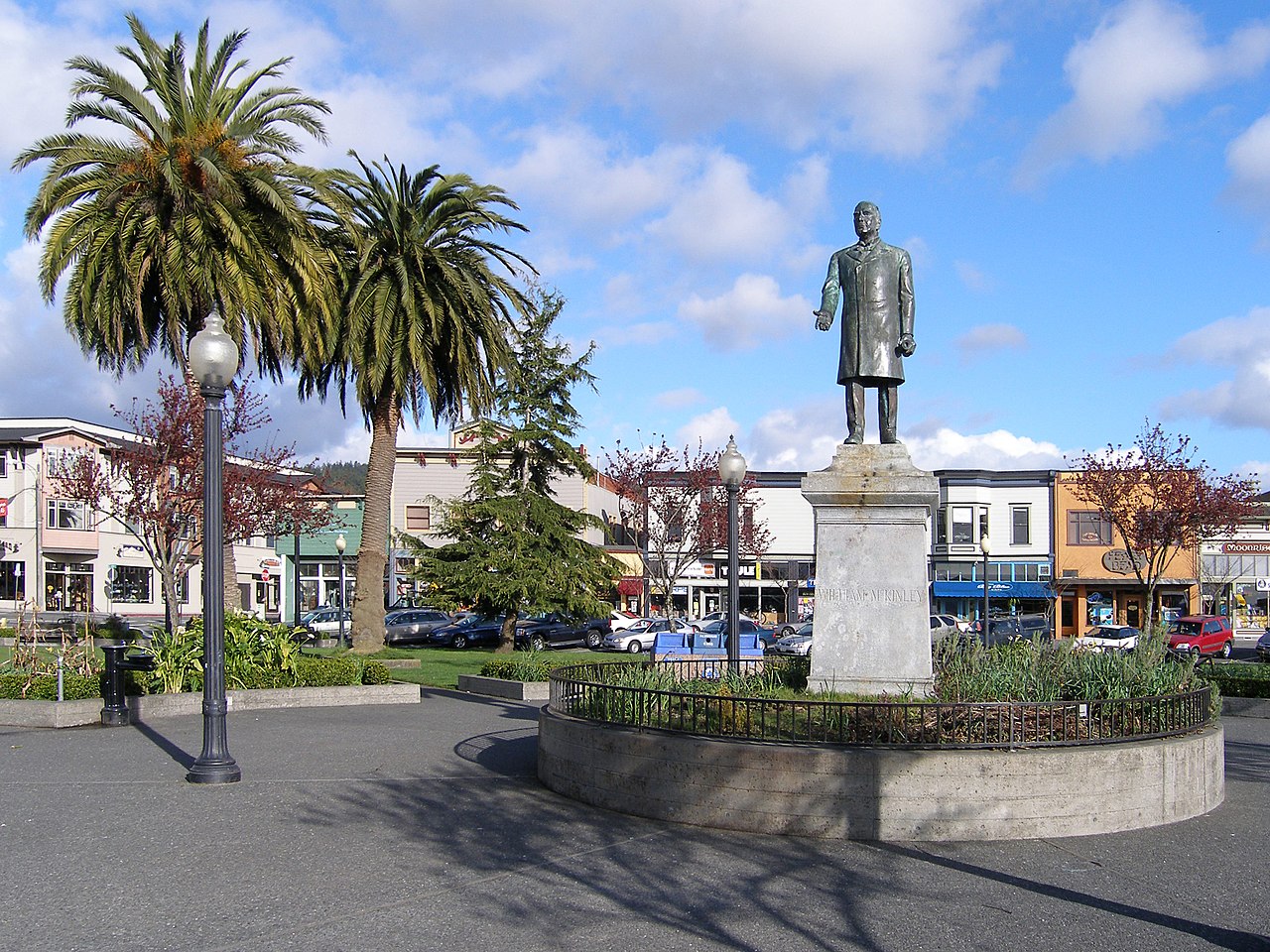
European-American settlement expanded in the 19th century around timber, fishing and shipping. The county is named for the naturalist Alexander von Humboldt. Towns such as Eureka grew as ports for lumber and trade; historic districts in some communities preserve Victorian-era commercial and residential architecture. Conservation efforts in the 20th and 21st centuries aimed to protect redwood groves and shoreline ecosystems.
Economy and culture
Traditional industries include commercial fishing, logging and wood products; these have been supplemented by tourism, higher education and services. The region attracts visitors for redwood parks, marine recreation and scenic drives. Local cultural life blends coastal and rural identities, with festivals, artisan businesses and institutions of higher learning serving the county and surrounding region.
Notable facts and uses
- Contains large tracts of old-growth and second-growth coast redwood forest and is adjacent to state and national protected areas.
- Humboldt Bay is a significant natural harbor and ecological estuary on the North Coast.
- The county has a history of small-scale agriculture and fisheries that continue to shape local economies and diets.
- Outdoor recreation — hiking, birding, kayaking and surfing — is a major driver of visitor activity.
For further information about government, demographics, parks and community resources, consult local guides and official county publications or regional conservation organizations. The county's combination of coastal scenery, forested landscape and maritime history makes it a distinctive part of northern California's North Coast.
Related articles
Author
AlegsaOnline.com Humboldt County, California Leandro Alegsa
URL: https://en.alegsaonline.com/art/45688
Sources
- quickfacts.census.gov : "State & County QuickFacts"
- naco.org : "Find a County" · web.archive.org