
Hunan Province (South Central China)
Hunan is a landlocked province in south-central China, known for its lakes and rivers, spicy cuisine, revolutionary history, scenic karst landscapes and the provincial capital Changsha.
Hunan is a province in south-central China, located south of Lake Dongting and along the middle reaches of the Yangtze River. The Chinese name 湖南 literally means "south of the lake," and the province is commonly abbreviated as 湘 (Xiang) after the Xiang River that traverses it. The provincial capital is Changsha.

Image gallery
10 Images


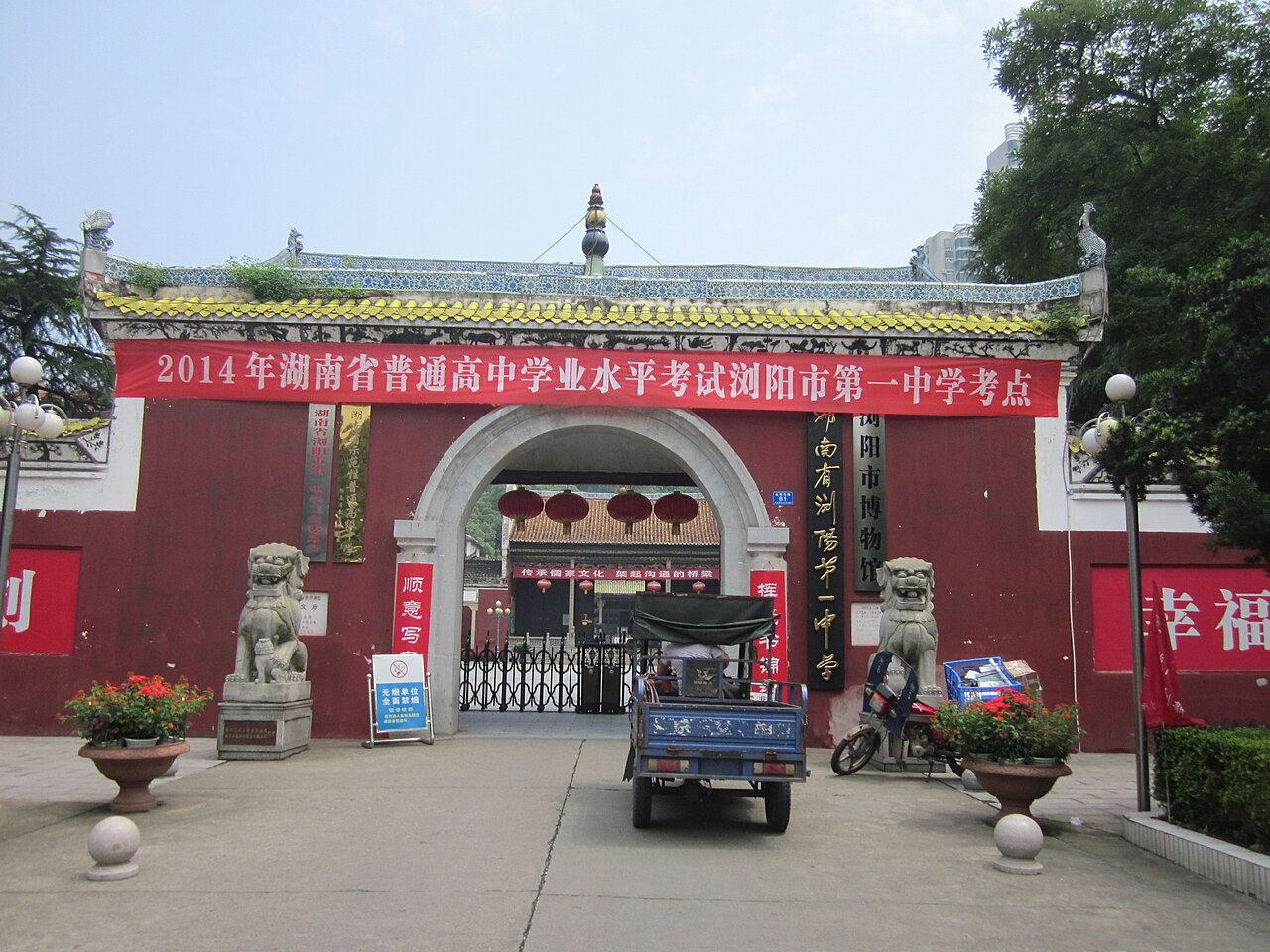


Geography and environment
Hunan occupies a varied landscape of river plains, hills and mountains. The northern border is shaped by the large freshwater body of Dongting Lake, which receives Yangtze waters, while the west and south rise into ranges that link with broader south-central highlands. The province's waterways and fertile basins have supported intensive wet-rice agriculture for centuries, and many of its river valleys remain densely cultivated.
History and cultural identity
Hunan has a long human presence and has played several roles in Chinese history, from a center of regional kingdoms to participation in modern political movements. It is also well known as the birthplace of Mao Zedong and other figures from the early 20th-century revolutionary era. Local culture blends Han Chinese traditions with regional dialects, folk arts and distinctive musical and theatrical forms.
Economy and infrastructure
The provincial economy mixes agriculture, manufacturing and mineral resources. Rice cultivation, tea and citrus are important agricultural products. Urban centers host industries such as machinery, chemicals and electronics, and transport corridors connect Hunan to neighboring provinces along rail and river routes. The Xiang River remains an important inland waterway.
Major cities and notable places
- Changsha — provincial capital and cultural hub (more)
- Changde, Hengyang, Zhuzhou, Xiangtan and Yueyang — regional centers
- Zhangjiajie and the Wulingyuan area — famed for dramatic karst pillars and a UNESCO-listed scenic zone
- Shaoshan — the well-known birthplace of Mao Zedong, visited for historical tourism
Cuisine and distinctive features
Hunanese cuisine, often called Xiang cuisine, is celebrated for its bold, spicy flavors, frequent use of chili peppers, smoked and cured ingredients, and an emphasis on freshness. Compared with some other regional styles, Hunan dishes tend to foreground heat and aromatic seasoning. The province's landscapes, from lakes to mountains, have also inspired painters and writers and attract nature tourism.
For linguistic and naming references, see the Chinese forms: 湖南 and the pinyin rendering Húnán. For broader geographic context within the country and river systems, consult links on China and the Yangtze River.
Related articles
Author
AlegsaOnline.com Hunan Province (South Central China) Leandro Alegsa
URL: https://en.alegsaonline.com/art/45724
Sources
- people.com.cn : Origin of the Names of China's Provinces
- english.peopledaily.com.cn : People's Daily Online
- commons.wikimedia.org : Hunan