
Huesca — City in Aragon, Spain
Huesca is a historic city in north-eastern Spain, capital of the province of Huesca and of the Hoya de Huesca comarca. It is known for its medieval center, cathedral, festivals and proximity to the Pyrenees.
Overview
Huesca is a small city in north-eastern Spain that serves as the administrative centre of the province of Huesca and of the comarca called Hoya de Huesca. Located in the central area of the region, it lies within the autonomous community of Aragon. In the local Aragonese language the city is known as Uesca.
Image gallery
10 Images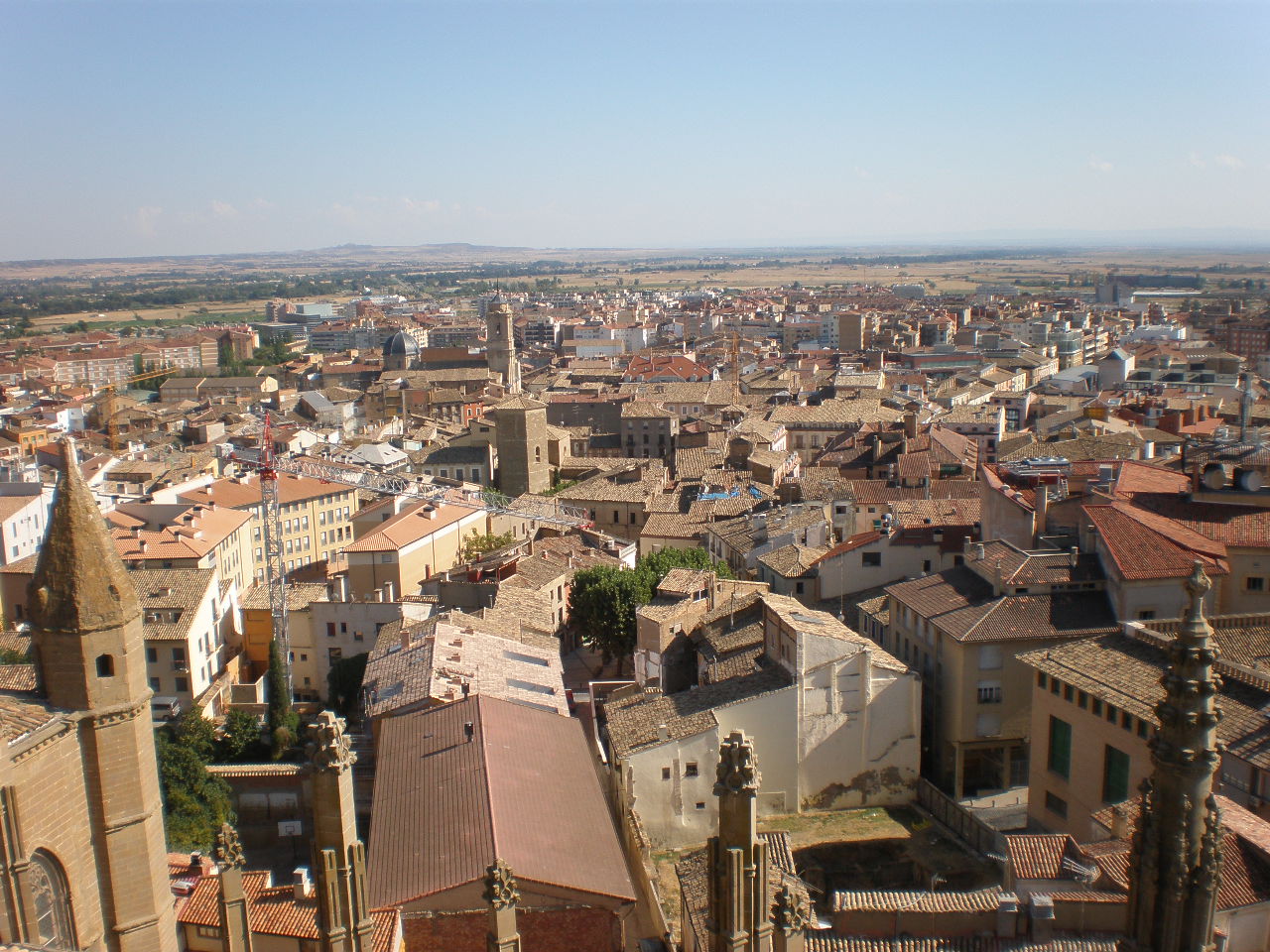


Characteristics and layout
The urban fabric mixes a compact medieval core with broader 19th and 20th‑century boulevards. Narrow streets, a central cathedral precinct and remnants of defensive walls define the historic centre, while surrounding neighborhoods open onto agricultural plains. The city functions as a regional hub for services, education and cultural activities.
History
Huesca has ancient roots and was occupied in antiquity before becoming an important Roman settlement. Over subsequent centuries it experienced Visigothic, Muslim and Christian rule, developing into a medieval episcopal city. Its long history is visible in architectural layers and in museums that show archaeological and religious heritage.
Landmarks and culture
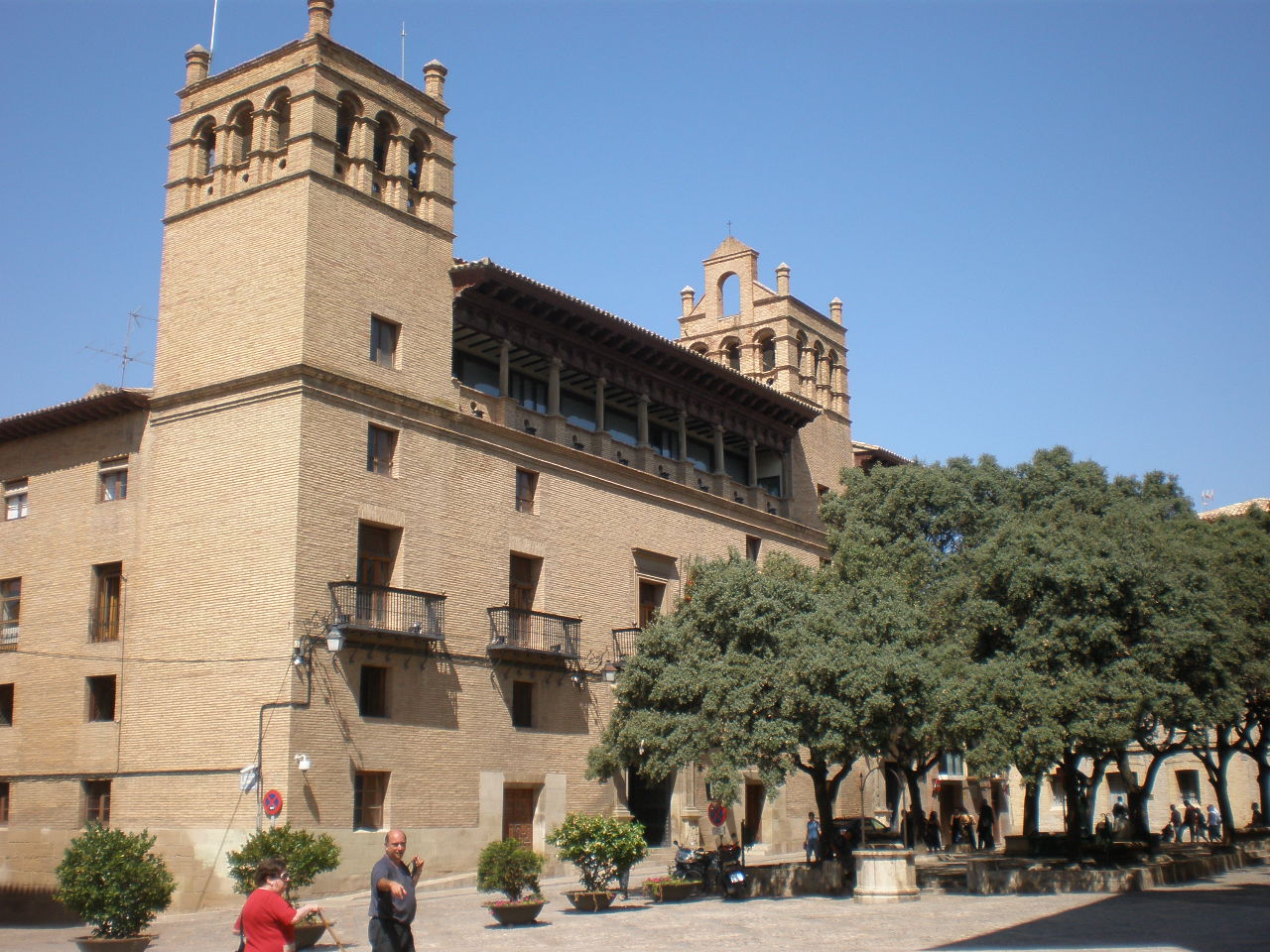
Prominent landmarks include the cathedral with its combination of architectural styles, historic squares and museums that interpret local art and archaeology. The city hosts traditional celebrations and fairs; these annual events attract local residents and visitors and reflect Huesca's communal traditions.
Economy, environment and recreation
The surrounding Hoya de Huesca plain supports agriculture and small industry, while the city's location makes it a gateway to the nearby Pyrenees. Outdoor pursuits such as hiking, climbing and winter sports in mountain resorts are common draws for tourism. The city also provides regional health, education and administrative services.
Notable facts and distinctions
- Capital of the province and of its comarca.
- Known in Aragonese as Uesca, reflecting the region's linguistic heritage.
- Serves as a stepping stone from the agricultural plain to the highlands of the Pyrenees.
Visitors appreciate Huesca for its compact, walkable centre, historical atmosphere and role as a quiet regional capital with ready access to mountain landscapes and cultural traditions.
Related articles
Author
AlegsaOnline.com Huesca — City in Aragon, Spain Leandro Alegsa
URL: https://en.alegsaonline.com/art/45560