
Huancavelica Region: Central Peru's highland province
Huancavelica is a mountainous region in the central Andes of Peru, known for high-altitude landscapes, a legacy of colonial-era mercury mining, Quechua culture, traditional agriculture and growing tourism.

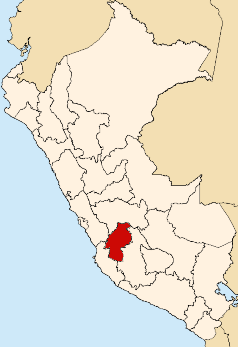
The Huancavelica Region lies in the central highlands of Peru. Its capital city, Huancavelica, sits at high elevation and serves as the administrative and cultural center. The region is characterized by steep Andean ranges, high plateaus and narrow valleys that shape local life, transport and land use.
Image gallery
7 Images


Geography and environment
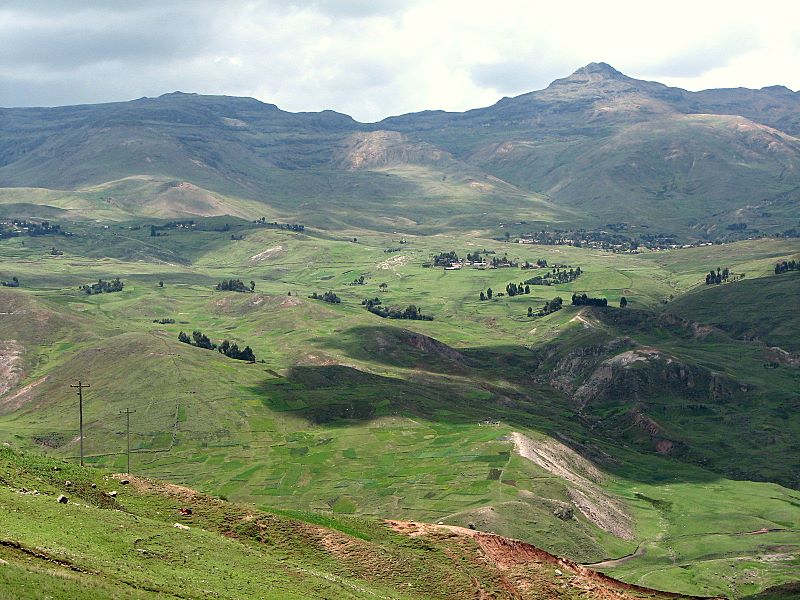
Huancavelica occupies rugged terrain in the Andes with altitudes that range from puna grasslands to high mountain passes. The climate is typically cold and dry at altitude, with marked seasonal rainfall in the warmer months. Glacially-fed streams and small lakes are scattered through the highlands, and terraces and irrigated valleys support agriculture where soil and water permit.

Historical background
The region has a long pre-Columbian and Andean heritage, later integrated into the Inca realm. During the colonial era Huancavelica became widely known for mercury production, which was used in silver refining across Spanish America. That extractive past left both economic links and environmental and social legacies that have influenced development ever since.
Economy and society
Rural livelihoods in Huancavelica depend on a mix of subsistence agriculture, livestock rearing (including sheep and camelids), small-scale mining and artisan textile production. Potatoes, grains adapted to high altitudes and forage crops are common. Quechua language and Andean cultural practices remain important in daily life; migration to larger cities for work is also a feature of the modern local economy.
Culture, tourism and notable features
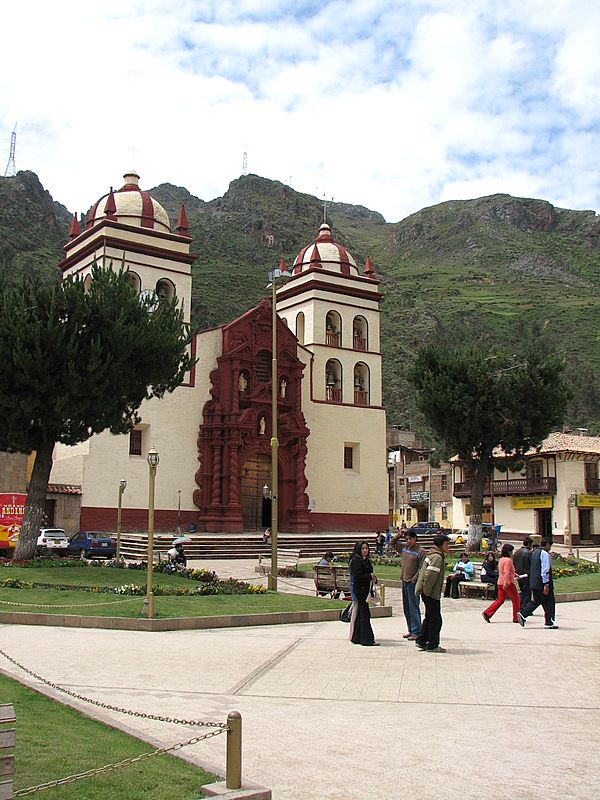
Visitors come for traditional festivals, colonial-era churches, local handicrafts and trekking through highland landscapes. Thermal springs, archaeological traces of pre-Inca and Inca occupation, and panoramic mountain routes attract both domestic and international travelers. Development programs and infrastructure projects aim to improve connectivity, health and education while balancing cultural preservation and sustainable tourism.
Quick facts
- Region type: Andean highlands
- Main activities: agriculture, livestock, mining, textiles
- Language and culture: strong Quechua influence and Spanish
Related articles
Author
AlegsaOnline.com Huancavelica Region: Central Peru's highland province Leandro Alegsa
URL: https://en.alegsaonline.com/art/45486