
Huánuco Region — geography, history, culture and economy
Huánuco is a diverse Peruvian region spanning high Andean ranges to Amazonian foothills; known for archaeological sites, varied climates, agriculture and the city of Huánuco as its administrative center.

Huánuco is a central Peruvian region that sits where the high Andes descend into the Amazon basin. Its administrative capital is the city of Huánuco, while the region as a whole is part of modern Peru and contains a mix of mountain valleys, cloud forests and lowland rainforest. This altitudinal variety shapes climate, biodiversity and human activities across the territory.
Image gallery
5 Images


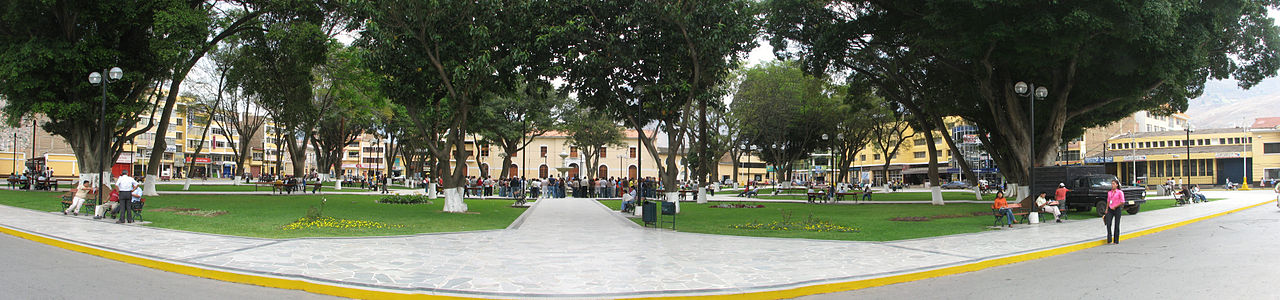

Geography and environment
The landscape ranges from high puna and fertile Andean valleys to humid montane forests and tropical foothills. Major river systems, notably tributaries of the Huallaga, drain eastward into the Amazon. Vegetation zones include grasslands used for grazing, cloud forest corridors with rich plant and bird life, and warmer lowlands where cacao and other tropical crops grow.

History and archaeology
Huánuco preserves archaeological remains spanning preceramic, pre-Inca and Inca periods. Sites such as Kotosh, with very early ritual architecture, and Huánuco Pampa, an Inca administrative center, illustrate long human occupation and imperial organization in the highlands. Spanish colonial foundations later shaped urban centers and landholding patterns.
Society, economy and uses
The population includes Spanish speakers and indigenous communities who speak Quechua and Amazonian languages. Agriculture is the economic backbone: tubers and grains at high elevations, coffee, cacao and fruit in lower zones. Forestry, local commerce, tourism to natural and archaeological attractions, and small-scale mining also contribute to regional livelihoods.
Administration and notable places
- Provincial seats and towns such as Huánuco, Tingo María and others connect rural areas to markets.
- Protected areas and parks attract visitors for hiking, wildlife watching and landscape views such as the mountain profile known locally as the "Sleeping Beauty" near Tingo María.
- Historic sites—Kotosh and Huánuco Pampa—are important for archaeology and cultural tourism.
As a transition zone between Andes and Amazon, Huánuco is notable for ecological gradients, cultural continuity from ancient to modern communities, and a mixed economy that reflects both highland and lowland influences.
Related articles
Author
AlegsaOnline.com Huánuco Region — geography, history, culture and economy Leandro Alegsa
URL: https://en.alegsaonline.com/art/45494