
Huancavelica — city in the Peruvian Andes
Huancavelica is a highland city in central Peru, capital of the Huancavelica Region. Known for its colonial history, former mercury mines, Andean culture and mountainous landscapes.

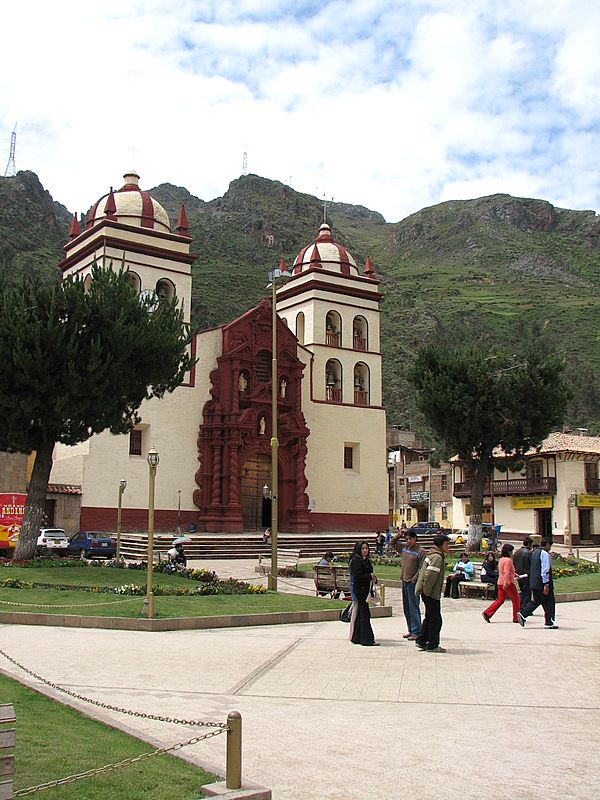
Huancavelica is a city in central Peru, serving as the administrative centre and capital of the Huancavelica Region. Perched in the central Andes at high elevation, it functions as a regional hub for government, education and local commerce. The urban core retains a compact colonial layout and a mix of traditional and modern public buildings.
Image gallery
8 Images



Geography and administration
Located amid rugged mountains and high plains, Huancavelica is characterized by steep valleys, dry puna grasslands and seasonal streams. Its position in the interior highlands shapes a cool, thin-air climate and influences local agriculture, transport and daily life. The city is the seat of regional authorities and provides services to surrounding rural districts.
History
Huancavelica's history blends indigenous Andean traditions with Spanish colonial influence. In the colonial era the area became important because of a nearby mercury deposit, historically exploited to support silver mining elsewhere in Spanish South America. That legacy affected settlement patterns, labor systems and the regional economy across centuries.
Economy and culture
Today the local economy combines public administration, small-scale agriculture, livestock herding, artisanal textiles and commerce. Quechua language and customs remain prominent in social life. Religious and folkloric festivals, handicrafts woven from alpaca and sheep fiber, and traditional markets contribute to cultural continuity and local incomes.

Notable features and visiting
- Colonial-era architecture and historic churches that reflect the city's Spanish past.
- Remnants of mining activity and interpretive sites relating to the mercury industry.
- Nearby highland landscapes used for trekking, pastoralism and rural tourism.
- Active local markets offering textiles, foodstuffs and artisanal goods.
Huancavelica is accessible by regional roads and bus services from other Andean cities. Visitors should allow time to acclimatize to altitude and be prepared for mountain travel conditions. The city is notable for its role as a cultural and administrative centre of Peru's central highlands and for the historical impact of mining on its development.
Related articles
Author
AlegsaOnline.com Huancavelica — city in the Peruvian Andes Leandro Alegsa
URL: https://en.alegsaonline.com/art/45487