
Hubei Province (Húběi) — central province of China
Hubei is a central Chinese province with its capital Wuhan. Straddling the Yangtze, it is known for large lakes, the Three Gorges region, Chu cultural roots, industry, universities and transport links.
Overview
Hubei (湖北, Húběi; Wade–Giles: Hu‑pei) is a province in the heart of the People's Republic of China. Its name literally means "north of the lake," a historical reference to its location relative to major inland lakes. The provincial capital and largest city is Wuhan, an important transport, education and industrial center where the Yangtze and Han rivers meet.

Image gallery
10 Images



Geography and climate
Hubei occupies a transitional zone between plains and mountains. The Yangtze River crosses the province from west to east, creating a broad river valley and numerous lakes. Terrain rises toward ranges such as the Daba and Wudang mountains in the west and northwest. The climate is generally humid subtropical, with hot, humid summers and cool, damp winters. Extensive waterways and floodplains have shaped local agriculture and settlement patterns.
History and cultural background
The region has deep historical roots, notably as part of the ancient state of Chu during the Zhou dynasty era, which left a strong cultural legacy in language, art and folk customs. In modern times Hubei played a key role in the early 20th century: the Wuchang Uprising in 1911, centered in what is now Wuhan, helped trigger the Xinhai Revolution. Over centuries the province has been affected by strategic river transport, migration and periodic floods.
Economy, education and infrastructure
Hubei's economy mixes agriculture, heavy industry and growing high‑technology sectors. The province produces rice, cotton and tea, while cities host automobile, steel, chemical and electronics manufacturing. Wuhan is a major scientific and educational hub with many universities and research institutes, and the province's river and rail networks make it an important logistics crossroads. The Three Gorges Dam and associated hydro projects near Yichang have had major regional impacts.
Notable cities, rivers and attractions
- Major cities: Wuhan, Yichang, Xiangyang, Jingzhou, Huangshi.
- Principal waterways: the Yangtze River and the Han River, plus many lakes and reservoirs.
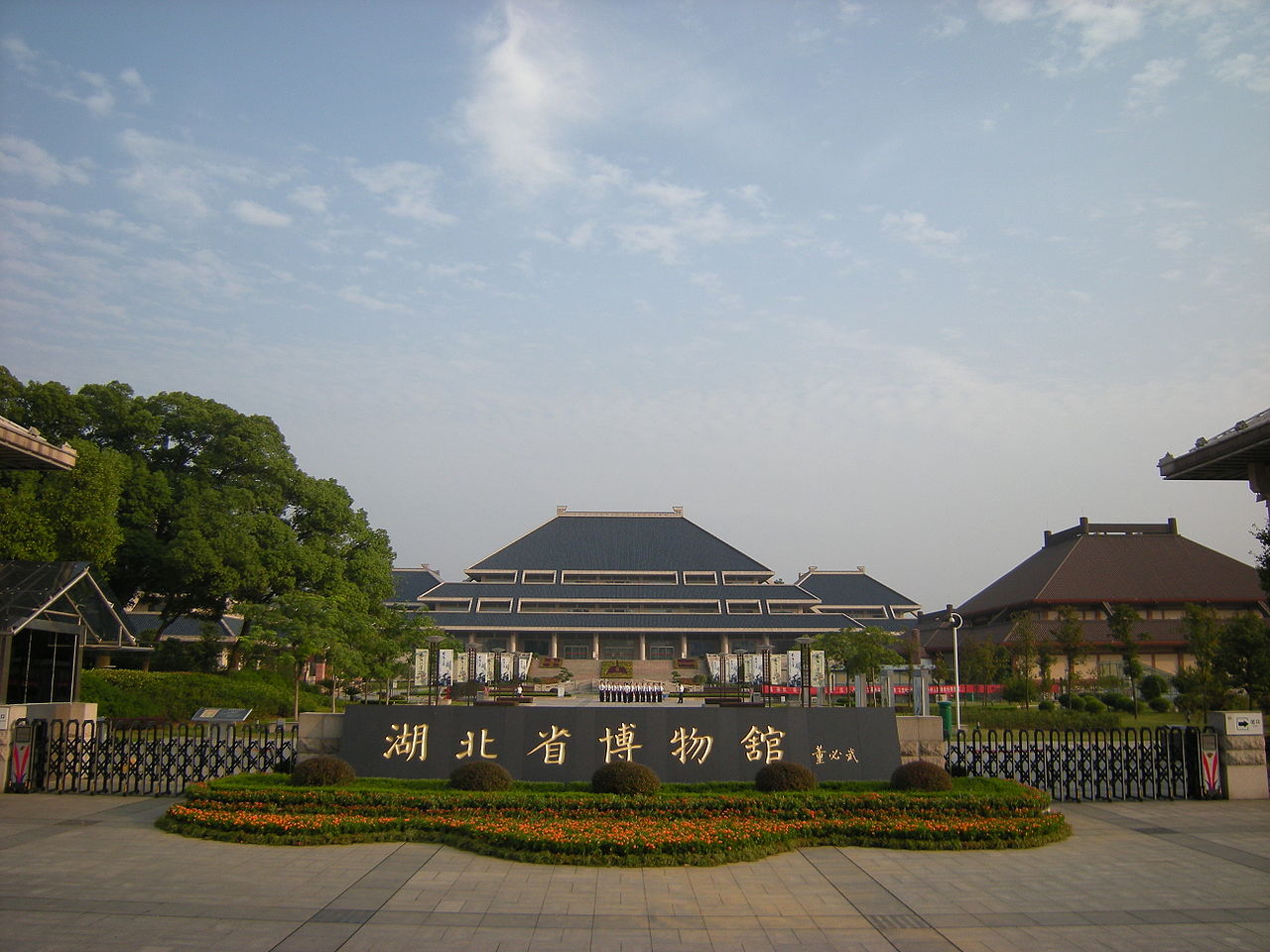
- Attractions: Wudang Mountains, historical sites in Jingzhou, river scenery in the Three Gorges area, and museum collections reflecting Chu culture.
Distinctive facts
Hubei is sometimes described as a "province of lakes" because of its dense inland water system. Its standard one‑character abbreviation is 鄂 (È). The province's central location has made it a transportation hub linking northern, southern and western China, and its combination of agricultural hinterland and urban industry continues to shape regional development and national connectivity.
Questions and answers
Q: What is Hubei?
A: Hubei is a province in the People's Republic of China.
Q: What does the name of the province mean?
A: The name of the province means "north of the lake" i.e. "north of Lake Dongting".
Q: What is the provincial capital of Hubei?
A: The provincial capital of Hubei is Wuhan.
Q: What is the Chinese name for Hubei?
A: The Chinese name for Hubei is 湖北.
Q: What is the pinyin for Hubei?
A: The pinyin for Hubei is Húběi.
Q: What is the Wade-Giles spelling for Hubei?
A: The Wade-Giles spelling for Hubei is Hu-pei.
Q: What is the postal map spelling for Hubei?
A: The postal map spelling for Hubei is Hupeh.
Related articles
Author
AlegsaOnline.com Hubei Province (Húběi) — central province of China Leandro Alegsa
URL: https://en.alegsaonline.com/art/45514
Sources
- people.com.cn : Origin of the Names of China's Provinces