
Huambo
Huambo is a major city on Angola's central plateau; historically called Nova Lisboa, it is a transport and agricultural center and the capital of Huambo Province.
Overview
Huambo is the principal city of Huambo Province and one of Angola's largest urban centers. Located on the central highland plateau, it lies roughly 220 km east of Benguela and about 600 km southeast of the capital, Luanda. During the colonial era it was renamed Nova Lisboa ("New Lisbon") and later reverted to its indigenous name. The city has an airport, Albano Machado Airport, and serves as an administrative, commercial, and educational hub for the surrounding region.
Image gallery
10 Images


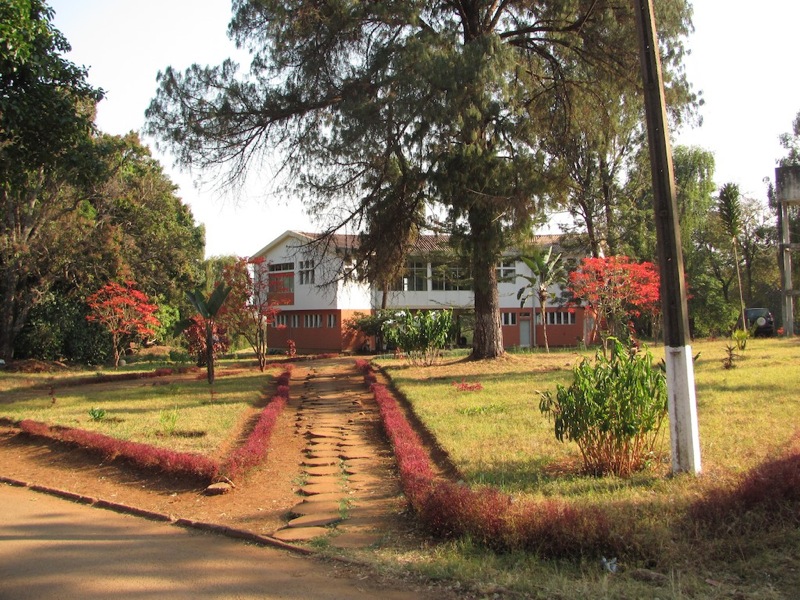
Name and historical background
The modern name Huambo derives from Wambu, one of the historical Ovimbundu kingdoms that occupied the central Angolan plateau. Under Portuguese rule the settlement was developed as Nova Lisboa and expanded with rail and road links. In the late 20th century the city experienced major disruptions and damage during the Angolan civil conflict; reconstruction and rehabilitation have been prominent themes in recent decades.
Geography and climate
Set on a highland plateau, Huambo has a milder, cooler climate than Angola's lowland coastal areas. The elevation moderates temperatures and supports a landscape of rolling hills and cultivated fields. This central location gives Huambo a role as a regional crossroads between the coastal provinces and the interior.
Economy and transport
Huambo functions as an important agricultural and transport center. The surrounding district produces staple crops and was historically involved in coffee cultivation, which helped shape the local economy. The city is connected to Angola's railway network, which links the plateau to coastal ports and facilitates movement of goods. Its airport provides additional domestic air links.
Culture, institutions and notable facts
Huambo is home to educational institutions, markets, and cultural life that reflect the diverse Ovimbundu heritage and Angola's broader society. As the capital of Huambo Province, it houses provincial government services and serves as a focal point for reconstruction projects and development initiatives. The city's history, from indigenous kingdom to colonial Nova Lisboa and through post-independence recovery, makes it a key place for understanding Angola's central highlands.
Visitors and researchers often use Huambo as a base for exploring the surrounding agricultural landscape and for studying the long-term processes of urban recovery after conflict. For broader context on the nation's geography and infrastructure, see resources on Angola and regional transport links.
Related articles
Author
AlegsaOnline.com Huambo Leandro Alegsa
URL: https://en.alegsaonline.com/art/45485