
Howland Island: Remote U.S. Pacific Island and Wildlife Refuge
Small uninhabited coral island in the central Pacific, owned by the United States and managed as a protected wildlife refuge; known for seabird colonies and as the intended destination in Amelia Earhart’s last flight.
Overview
Howland Island is a tiny, low-lying coral island in the central Pacific. It lies just north of the Equator and is extremely remote; visitors reach it only by special permission for scientific or conservation work. The island is an uninhabited possession of the United States and is administered for conservation and research.
Image gallery
10 Images


Location and physical characteristics
The landform is essentially a flat ring of sand and coral rubble with a narrow interior; it is surrounded by a reef that supports marine life. Howland sits in the north Pacific Ocean and is located close to but slightly north of the Equator. For map references and navigational context see regional charts or a dedicated location map.
Ecology and conservation
Despite its small size and limited freshwater, Howland Island supports important seabird colonies and marine habitats. The island is managed as a refuge to protect breeding seabirds and sea turtles, and the surrounding waters form part of a larger protected marine area.
- Common ecological features: nesting seabirds, coral reef zones, sparse coastal vegetation.
- Conservation measures: restricted access, invasive species control, scientific monitoring.
History and human use
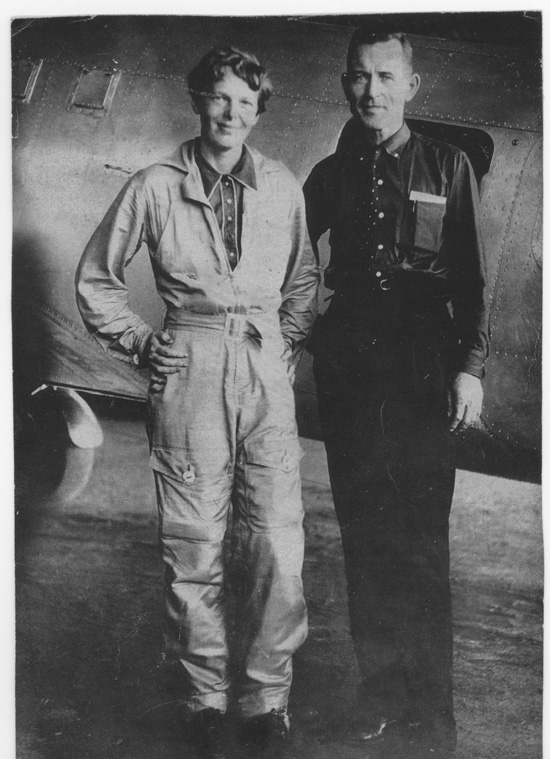
Human activity on Howland has been intermittent: there have been short-term camps, radio stations, and wartime patrols, but no permanent indigenous population. The island is widely known in popular history as the intended refueling destination for aviator Amelia Earhart during her 1937 flight, when she disappeared nearby. In the 19th century many remote Pacific islands, including Howland, were noted in the context of guano and maritime navigation.
Administration, significance, and threats
Howland Island is part of the U.S. Minor Outlying Islands and is protected as a national wildlife refuge and as part of a larger marine monument. Its significance is ecological, scientific and historical. Like many low-lying Pacific islets, it faces long-term threats from sea-level rise, storm damage, and the introduction of invasive species that can disrupt nesting birds and native vegetation.
Related articles
Author
AlegsaOnline.com Howland Island: Remote U.S. Pacific Island and Wildlife Refuge Leandro Alegsa
URL: https://en.alegsaonline.com/art/45449
Sources
- cia.gov : "Howland Island" at CIA World Factbook