
Howard W. Jones Jr.: Gynecological Surgeon and Pioneer of In Vitro Fertilization
Profile of Howard W. Jones Jr. (1910–2015), American gynecological surgeon, IVF pioneer, educator and bioethics participant who led the team for the first U.S. IVF birth and cofounded the Jones Institute.
Overview
Howard W. Jones Jr. (December 30, 1910 – July 31, 2015) was an American gynecological surgeon and one of the pioneers of assisted reproductive technology in the United States. Trained as a surgeon and long affiliated with academic medicine, he and his wife, Dr. Georgeanna Seegar Jones, combined clinical and laboratory approaches that helped establish in vitro fertilization (IVF) as a clinical practice in the U.S. Jones remained active in clinical work, teaching and bioethical debate well into his later years.
Image gallery
1 Image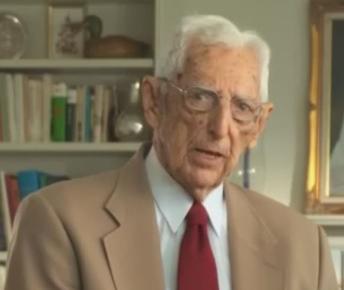
Career and clinical achievements
Jones spent much of his early academic career on the faculty of Johns Hopkins School of Medicine, where he taught gynecologic surgery and developed clinical expertise. After retiring from that appointment, he helped create a clinical and research program in reproductive medicine at Eastern Virginia Medical School (EVMS) in Norfolk. There, his team achieved the first successful birth in the United States resulting from in vitro fertilization, a milestone that demonstrated IVF's clinical feasibility and influenced the growth of fertility services nationwide. The first infant in the U.S. often cited in this context is Elizabeth Carr, born in 1981, a landmark event for reproductive medicine in America.
Contributions, interests and advocacy
Beyond surgical technique and IVF, Jones contributed to several areas of reproductive health. He participated in early sex reassignment surgeries at a time when such procedures were rare, and he engaged with ethical and legal questions surrounding the beginning of human life. Jones wrote and testified about concepts of personhood and the moral status of embryos, bringing a clinical practitioner's perspective to public and legislative conversations. His work combined hands-on patient care with reflection on the implications of new reproductive technologies.
Notable milestones
- Long-term faculty appointment in gynecology and surgery at a major medical school.
- Cofounder of a reproductive medicine program that became known as the Jones Institute for Reproductive Medicine at EVMS.
- Leader of the team associated with the first successful U.S. birth from IVF (1981).
- Early practitioner of surgical procedures relevant to gender reassignment care.
- Active participant in public and legislative bioethics discussions on embryos and personhood.
Legacy and later life
Jones's influence extends through the clinicians he trained, the institutions he helped build and the public debates in which he took part. The clinic he helped found continued to be a reference point for fertility care and research. He lived to be 104 years old, and his long life allowed him to see IVF evolve from an experimental technique to a common component of reproductive medicine. For further biographical and institutional information, see a concise profile, the history of the Jones Institute at EVMS via institutional materials, and contemporary reports and obituaries that reviewed his career after his passing.
While contemporaries and later historians debate ethical details and policy implications of assisted reproduction, Jones is widely recognized as a formative clinical leader whose practical work helped translate laboratory methods into treatments that have allowed many individuals and couples to achieve pregnancy. His career illustrates the intersections of surgery, laboratory science, and ethical deliberation that shaped late 20th-century reproductive medicine.
Related articles
Author
AlegsaOnline.com Howard W. Jones Jr.: Gynecological Surgeon and Pioneer of In Vitro Fertilization Leandro Alegsa
URL: https://en.alegsaonline.com/art/45436
Sources
- embryo.asu.edu : "Howard Wilber Jones Jr"