
Howard Zinn: Historian, Activist, and Author of A People's History
Howard Zinn (1922–2010) was an American historian and activist best known for A People's History of the United States, a widely read, influential and debated people-centered account of U.S. history.
Overview
Howard Zinn was an American historian and public intellectual born in Brooklyn, New York. He described himself as a radical and combined scholarship with political engagement. After military service in World War II he pursued higher education and a teaching career, writing for broad audiences and arguing that history should give voice to the many rather than celebrate only those in power.
Image gallery
5 Images
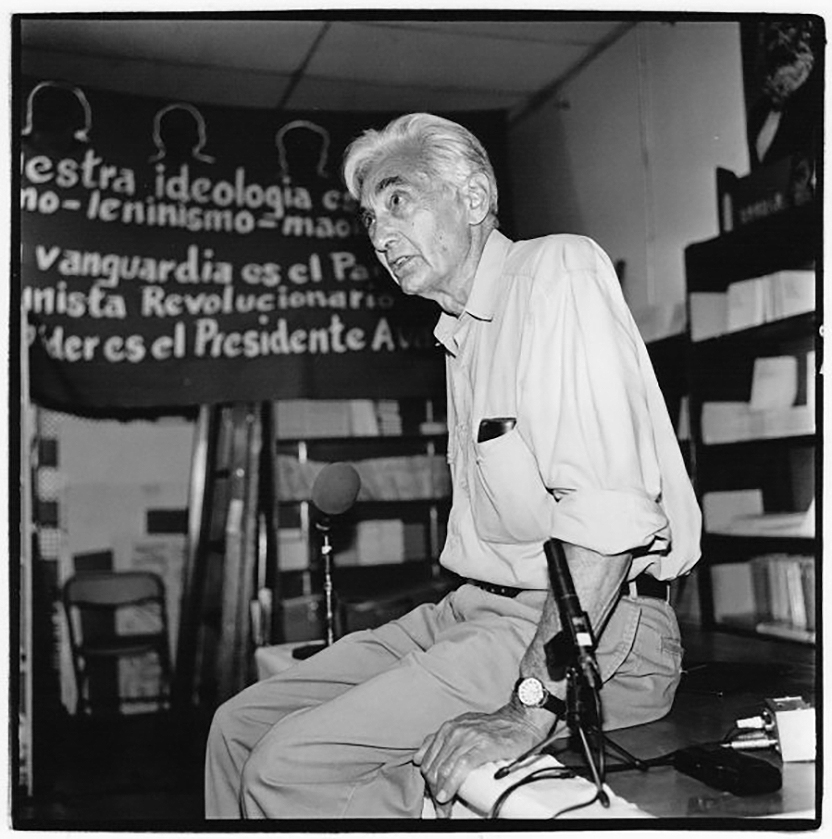


Early life and military service
Zinn was born in 1922 and served in World War II; his wartime experiences influenced his later opposition to war and to unquestioning patriotism. In the decades that followed he completed academic study and began teaching, while remaining active in movements for social justice and civil rights.
Academic career
Zinn taught at several institutions and reached wide audiences through essays, lectures and documentary work. He was known as a professor who sought to connect classroom history to contemporary social movements, encouraging students to examine the experiences of ordinary people and to consider the ethical dimensions of historical interpretation.
A People's History
Published in 1980, A People's History of the United States retells national history from the perspectives of workers, indigenous peoples, enslaved people, women, immigrants and others often marginalized in traditional accounts. The book emphasizes resistance and social movements and aims to make history relevant to readers outside academia. By the time of Zinn's death the volume had sold almost two million copies and became a staple in alternative curricula and popular debate about how the history of the United States is taught.
Activism and public engagement
Zinn combined scholarship with activism: he supported the civil rights movement, opposed the Vietnam War, and participated in public protests and teach-ins. He argued that historians have a responsibility to consider the lives of the oppressed and to expose how power and inequality shape historical outcomes.
Reception and legacy
Zinn's work provoked strong responses. Admirers praise his emphasis on neglected voices and his ability to inspire students and activists; critics contend his narratives sometimes reflect political commitments that shape selection and interpretation of evidence. The debate surrounding his work has itself become part of discussions about pedagogy, public history and the purposes of historical writing.
Death and continuing influence
Howard Zinn died on January 27, 2010, of a heart attack while swimming in Santa Monica, California, at the age of 87. His books, public lectures and the movement to teach history from the perspective of ordinary people continue to influence historians, teachers and readers interested in social movements, civic responsibility and contested interpretations of the past.
For further reading and biographical resources consult library guides, academic studies and documentary accounts that discuss his life, methods and influence. Related resources may be found under entries for historian, professor, Brooklyn, New York, the United States, studies of the oppressed, and archival material connected to his later years in Santa Monica.
Questions and answers
Q: Who was Howard Zinn?
A: Howard Zinn was an American historian and professor from Brooklyn, New York.
Q: How did Howard Zinn consider himself?
A: Howard Zinn considered himself to be a radical.
Q: What book did Howard Zinn write in 1980?
A: Howard Zinn wrote A People's History of the United States in 1980.
Q: What is the perspective of A People's History of the United States?
A: A People's History of the United States tells the history of the United States from the perspective of common people instead of people who were in power.
Q: Who did A People's History of the United States include?
A: A People's History of the United States included people who were oppressed.
Q: How many copies of A People's History of the United States had been sold by the time of Howard Zinn's death?
A: By the time of Howard Zinn's death, A People's History of the United States had sold almost two million copies.
Q: When and where did Howard Zinn die?
A: Howard Zinn died of a heart attack while swimming on January 27, 2010, in Santa Monica, California, aged 87.
Related articles
Author
AlegsaOnline.com Howard Zinn: Historian, Activist, and Author of A People's History Leandro Alegsa
URL: https://en.alegsaonline.com/art/45438
Sources
- nytimes.com : "Op-Ed Columnist - A Radical Treasure - NYTimes.com"
- wmich.edu : "A People's History of the United States"
- nytimes.com : "Howard Zinn, Historian, Dies at 87 - Obituary (Obit) - NYTimes.com"